

AlgaeZyme Delivers Impressive Algae Control at Bellerive Country Club
Phil Dwyer • November 23, 2026

Nick White, CGCS

Director of Agronomy

Bellerive Country Club

St. Louis, MO

Managing algae on putting greens can be a persistent challenge, especially during periods of high humidity, frequent rainfall, and elevated irrigation water pH. At Bellerive Country Club, Nick White, CGCS, Director of Agronomy, has found success incorporating AlgaeZyme into the course's turf management program.


The Challenge: Persistent Algae Development

"We have always historically struggled with algae development in greens & bunkers due to our high pH irrigation water (9.5–10.0) and high dew points and humidity throughout the summer," explains White.


"Keeping algae at bay is critical for us to make sure we can maintain good water infiltration and turf health during high levels of stress."


The Solution: Targeting Algal Crusts with Enzymes

Recognizing the potential of enzyme technology, White and his team decided to incorporate AlgaeZyme into their spray program.

"We dove right into AlgaeZyme as we've seen how powerful enzymes can be in all kinds of other industries, so the idea of an enzyme that could specifically target algal crusts in putting greens is right up our alley."


The team applied AlgaeZyme at 16 oz per acre every two weeks, incorporating it into their regular turf management program.


The Results: Virtually Zero Algal Crust Formation

After a year of incorporating AlgaeZyme into the program, White reports remarkable results.


"We have seen incredible results from AlgaeZyme and have seen virtually zero algal crust formations since incorporating this product into our spray program over the last calendar year…even during periods of frequent rain and high humidity."


A Recommendation for Fellow Turf Managers

Based on his experience at Bellerive Country Club, White encourages other turfgrass professionals to explore the benefits of AlgaeZyme.


"I highly recommend giving this product a shot and seeing for yourself the difference it can make!"


Discover AlgaeZyme from ZymeCO

AlgaeZyme uses innovative enzyme technology to target algal crusts, offering turf managers another tool to address persistent algae challenges and support healthy putting green conditions.


Results reflect the experience of one golf course under its specific conditions and management program. Individual results may vary.
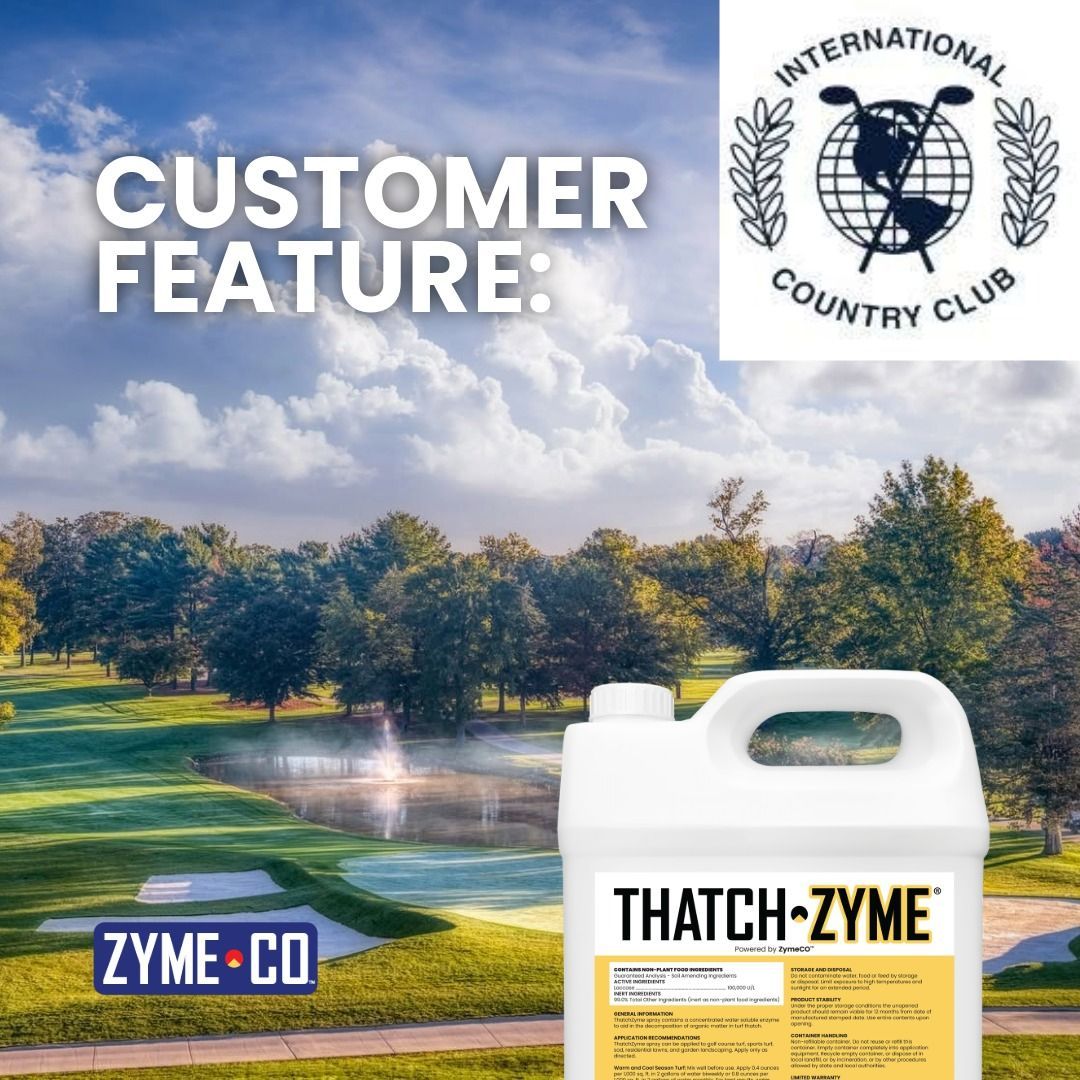
Customer Feature: ThatchZyme at International Country Club, VA
By Phil Dwyer • November 9, 2026
After years of battling puffy tees and summer scalping, International Country Club in Fairfax, VA, says "Our tees did not scalp in July and August as in years past. The puffiness is noticeably less."
Colorado Course ThatchZyme Trial:  Poa-Bentgrass Tee
By ZymeCO • November 3, 2026
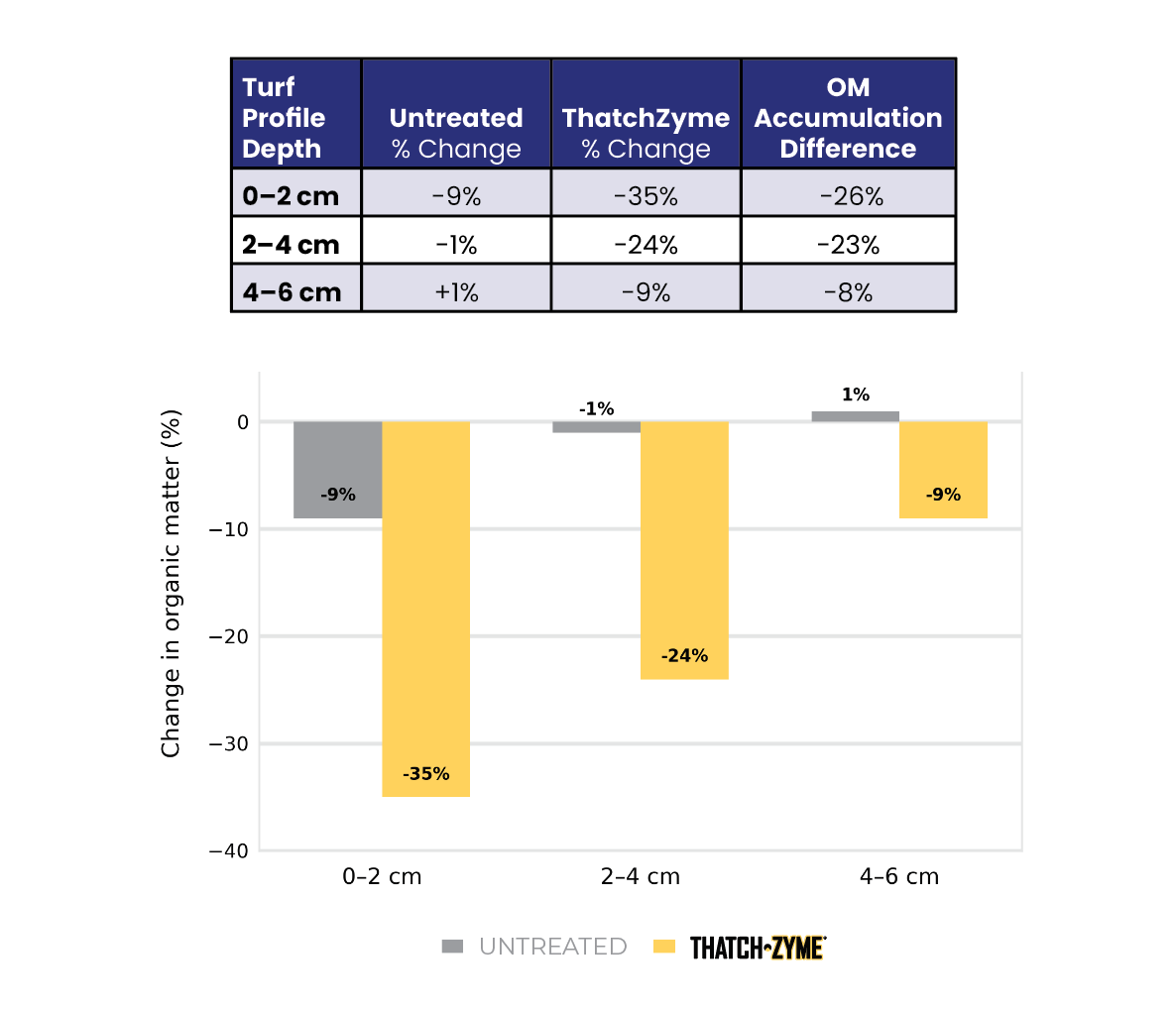
A 2026 Colorado golf course trial evaluated ThatchZyme’s effect on organic matter in a Poa-bentgrass tee. ThatchZyme reduced organic matter throughout the upper 6 cm of the turf profile, with the greatest reduction near the surface.
By Bridgette Readel& Jason Hanson, Agronomists Happy Hour • November 2, 2026
Jason, Bridgette, and Stephanie Wedryk dig into how residue breakdown products work, why enzymes are different from microbial products, and what farmers should actually expect from these inputs.
By Stephanie Wedryk, Ph.D. • October 21, 2026
Biological products rely on living microbes that must survive changing field conditions or on blends of naturally occurring compounds with multiple modes of action. ZymeCO enzymes are different. They are non-living, purified proteins designed to catalyze specific biochemical reactions.
By Stephanie Wedryk, Ph.D. • October 1, 2026
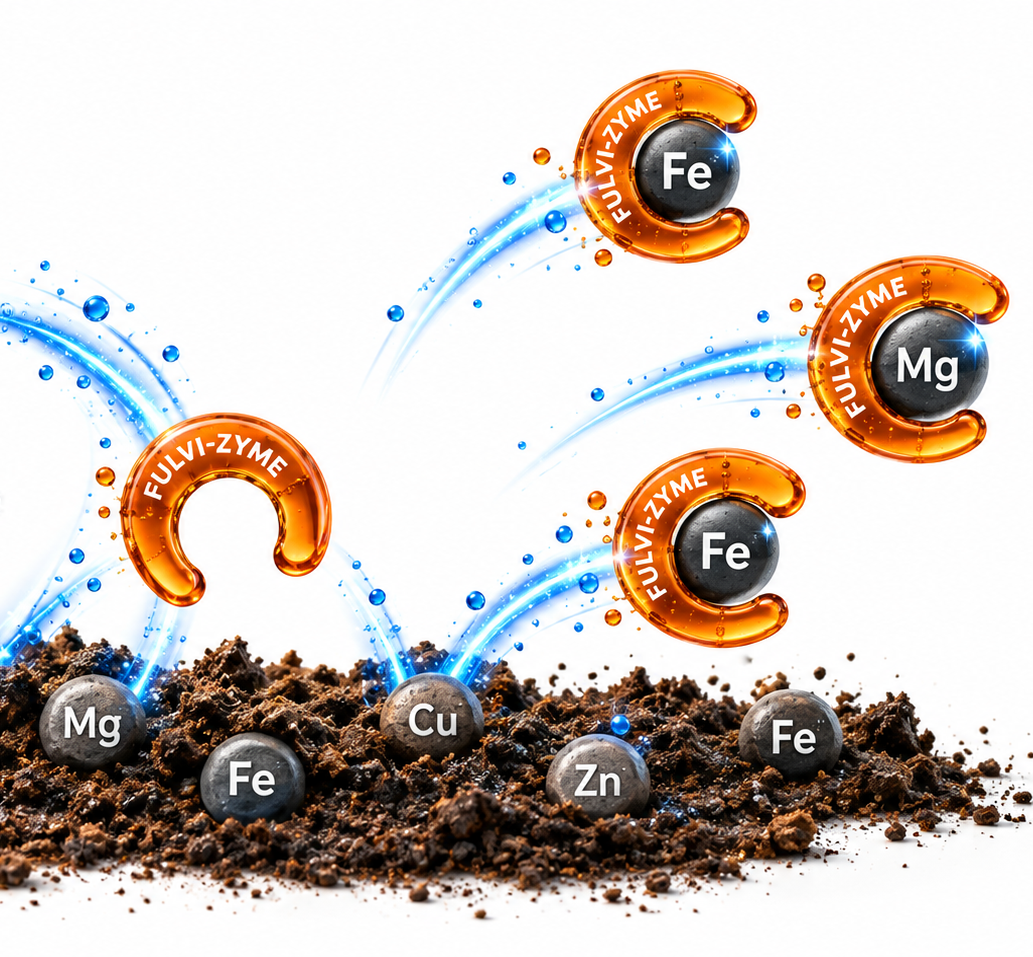
Unlike conventional leonardite-based fulvic products, FulviZyme combines plant-derived fulvic acid with naturally occurring organic acids and bioactive plant compounds.
By Stephanie Wedryk, Ph.D. • September 30, 2026
Effective residue management does more than reduce excess residue on surface. It helps turn this year’s residue into healthier soil and a more uniform start for next year’s crop.
By Stephanie Wedryk, Ph.D. • September 14, 2026
Rather than viewing residue as something to simply manage, TillZyme helps unlock its value by helping start the biological process that turns tough plant material into a resource for the soil.
By Stephanie Wedryk, Ph.D. • September 8, 2026
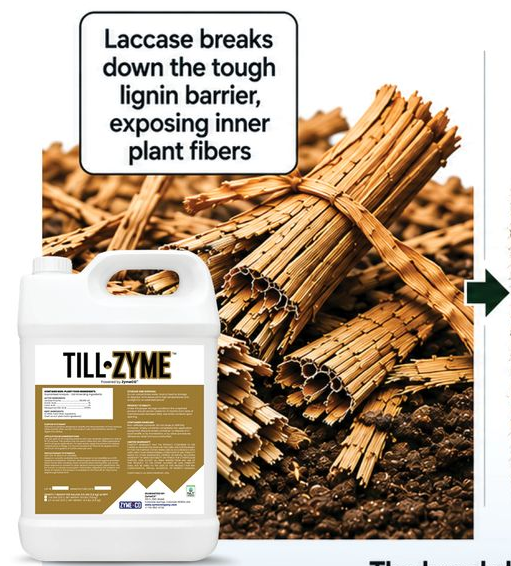
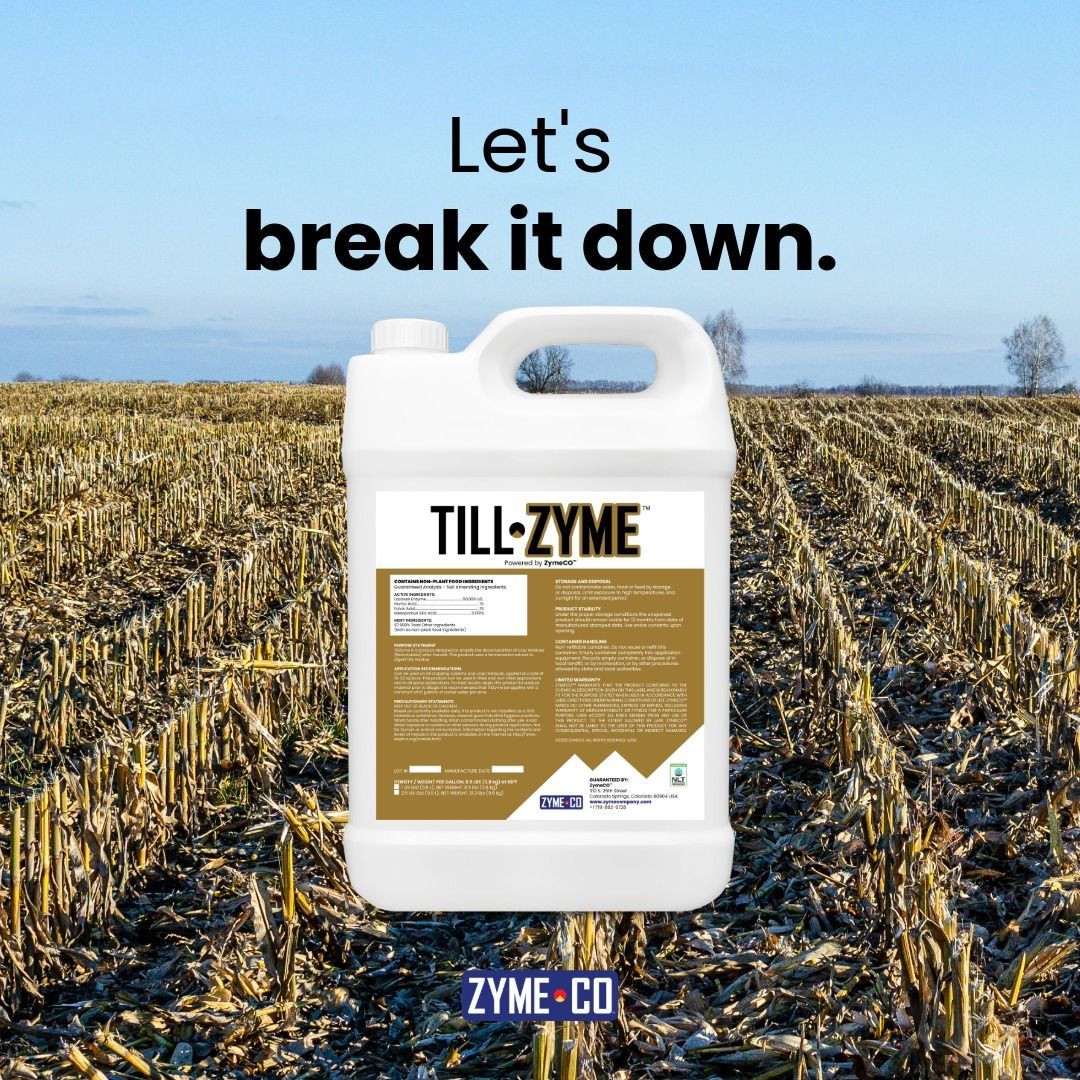
Corn residue can decompose slowly because lignin gives stalks and leaves their rigid structure. TillZyme™ uses laccase enzyme technology to help accelerate the breakdown of tough crop residue.
By Stephanie Wedryk, Ph.D. • September 2, 2026
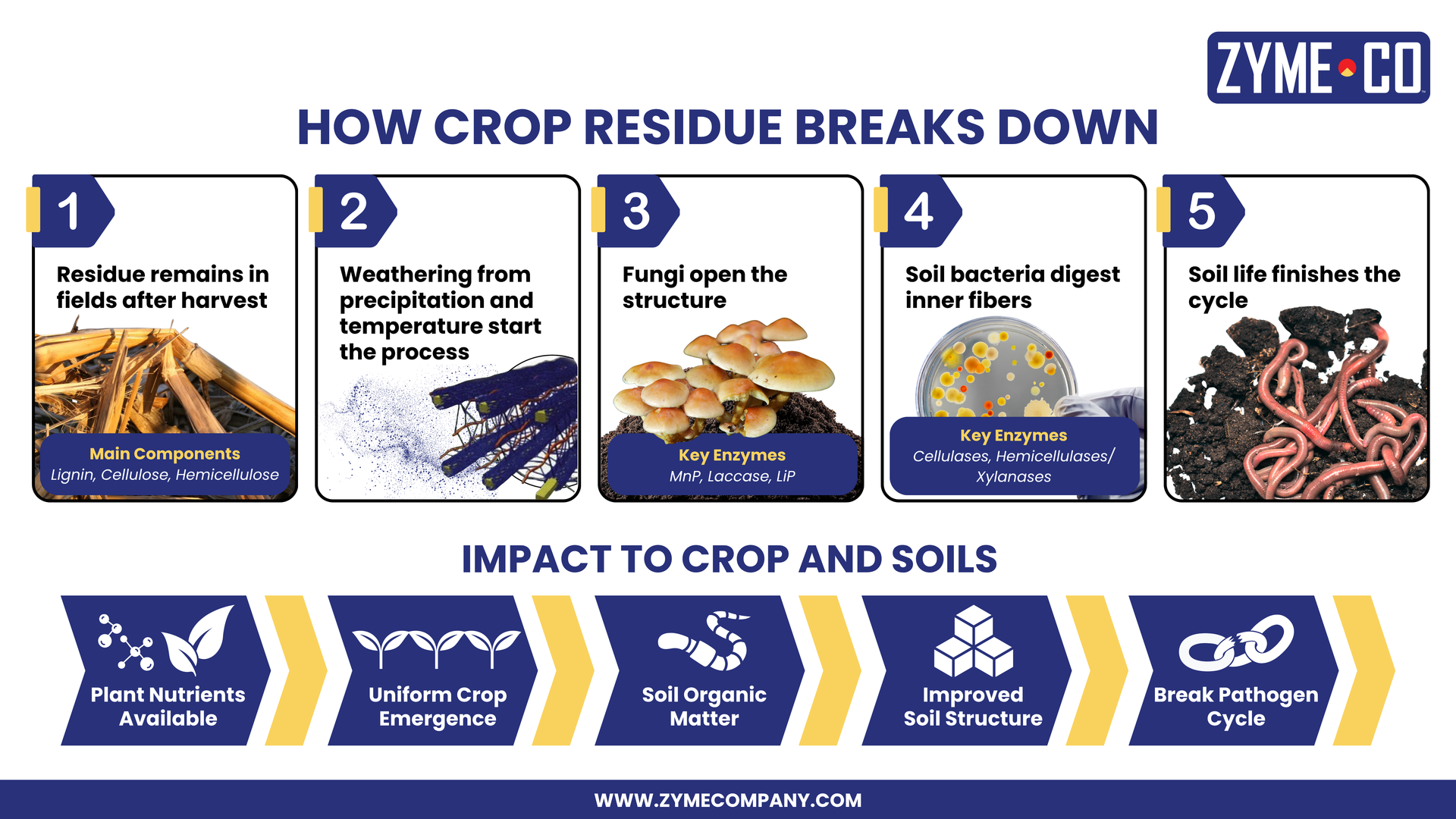
After harvest, crop residue is not just leftover stalks and leaves. It is an active biological system that adds nutrients to the soil, increases organic matter, and builds better soil structure for next year. Actively managed residues help create a favorable seedbed for better stands and yield. The enzymes produced by fungi accelerate the process by breaking down tough lignin before naturally occurring soil microbes take over. Learn more here .
By Phil Dwyer, VP Sales & Marketing • August 26, 2026
Let’s dive into the science of thatch biology and learn all about a unique new product called ThatchZyme which delivers the first sprayable active enzyme proven to manage turfgrass thatch.