

Colorado Course ThatchZyme Trial: Poa-Bentgrass Tee
ZymeCO • November 3, 2026
Summary
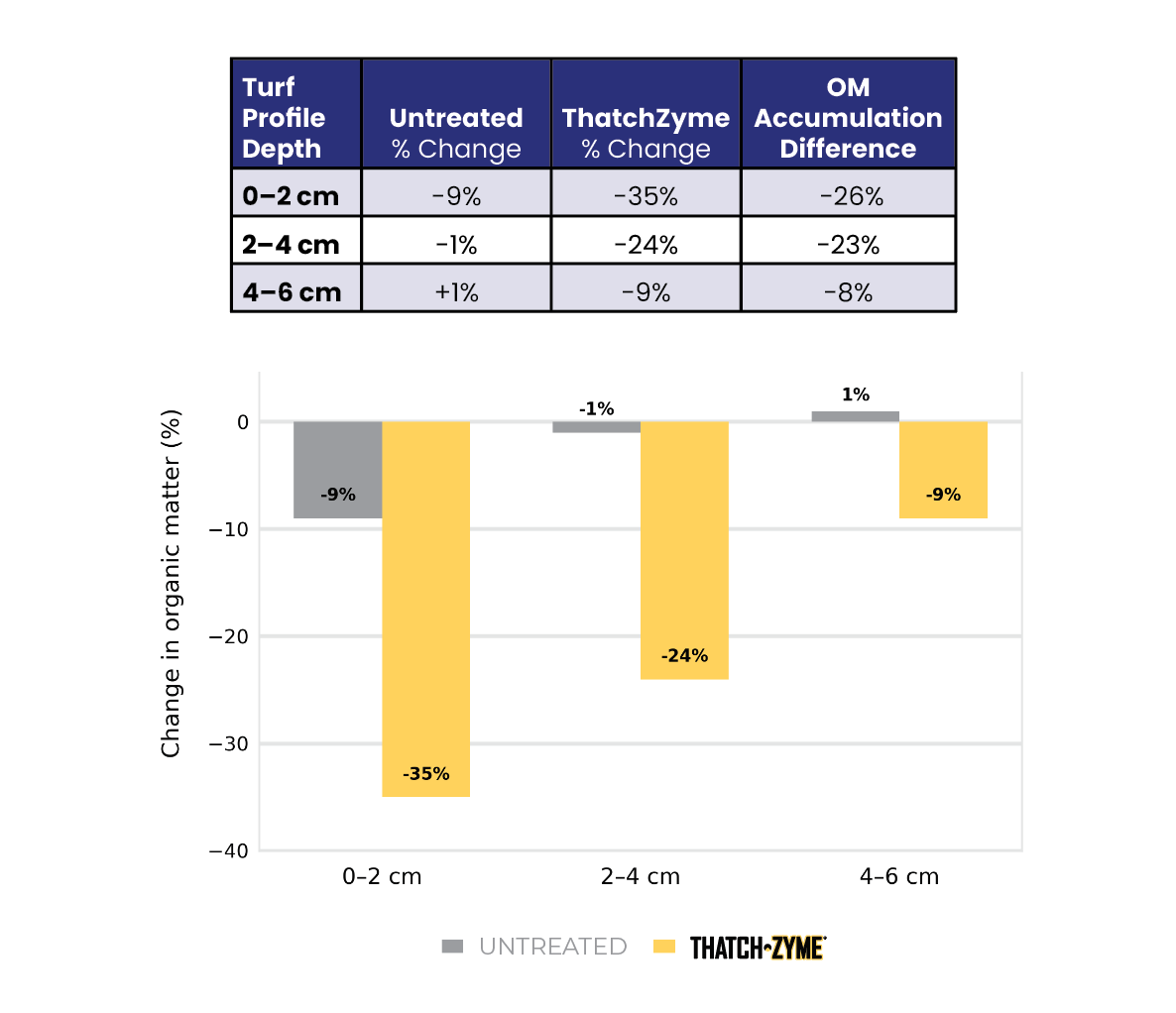
ThatchZyme reduced organic matter throughout the upper 6 cm of the turf profile, with the greatest reduction near the surface.
Description
A 2026 Colorado golf course trial evaluated ThatchZyme’s effect on organic matter in a Poa-bentgrass tee. Across the study period, ThatchZyme-treated plots consistently showed greater organic matter reduction than the untreated control across all three sampling depths.
Methods
ThatchZyme was applied bi-weekly at 0.4 oz per 1,000 sq. ft. (approximately 1 pint per acre). Organic matter was evaluated at 0–2 cm, 2–4 cm, and 4–6 cm depths using an average of five cores. Percent change was calculated by comparing measurements collected May 27 and August 5.
Results

Jason, Bridgette, and Stephanie Wedryk dig into how residue breakdown products work, why enzymes are different from microbial products, and what farmers should actually expect from these inputs.
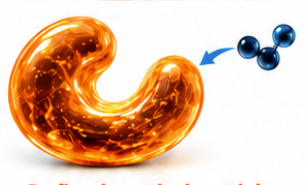
Biological products rely on living microbes that must survive changing field conditions or on blends of naturally occurring compounds with multiple modes of action. ZymeCO enzymes are different. They are non-living, purified proteins designed to catalyze specific biochemical reactions.
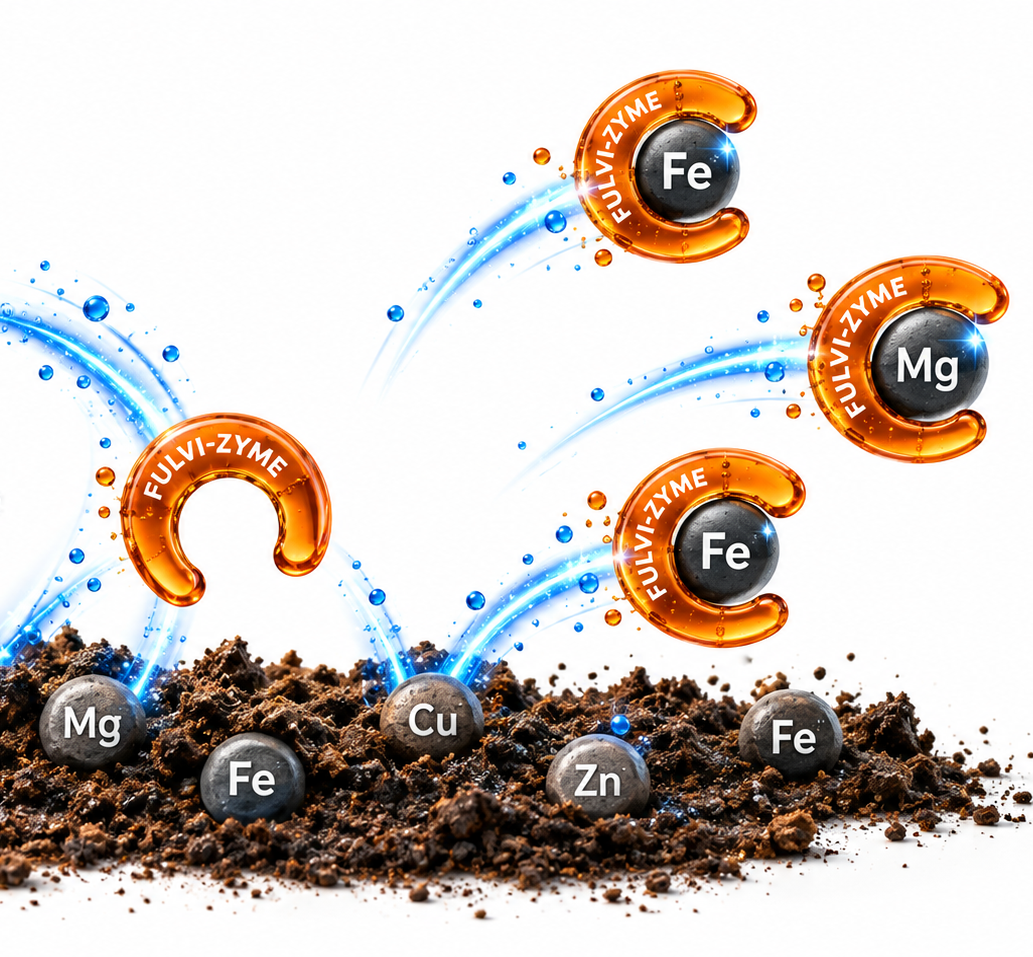
Unlike conventional leonardite-based fulvic products, FulviZyme combines plant-derived fulvic acid with naturally occurring organic acids and bioactive plant compounds.
Effective residue management does more than reduce excess residue on surface. It helps turn this year’s residue into healthier soil and a more uniform start for next year’s crop.
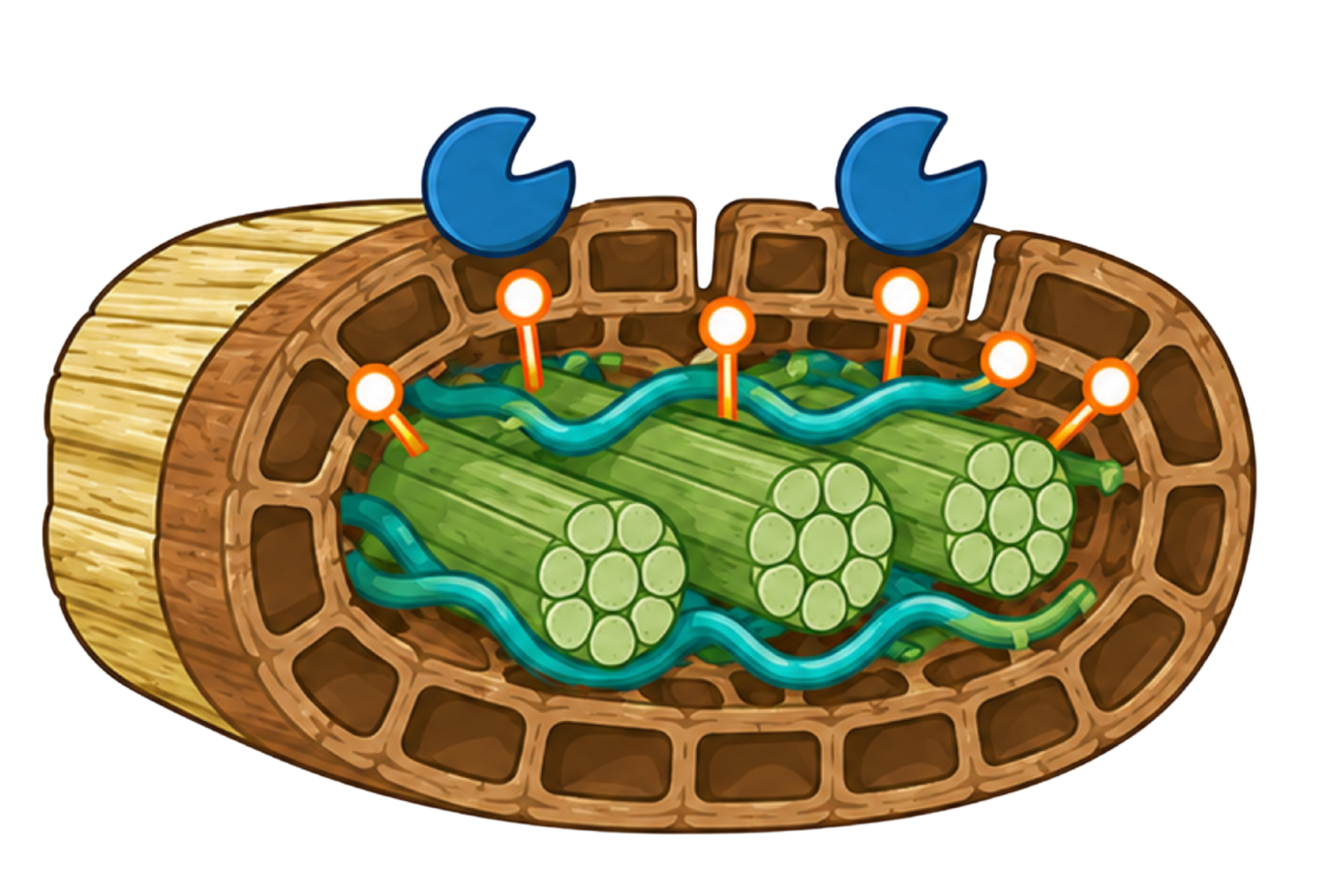
Rather than viewing residue as something to simply manage, TillZyme helps unlock its value by helping start the biological process that turns tough plant material into a resource for the soil.
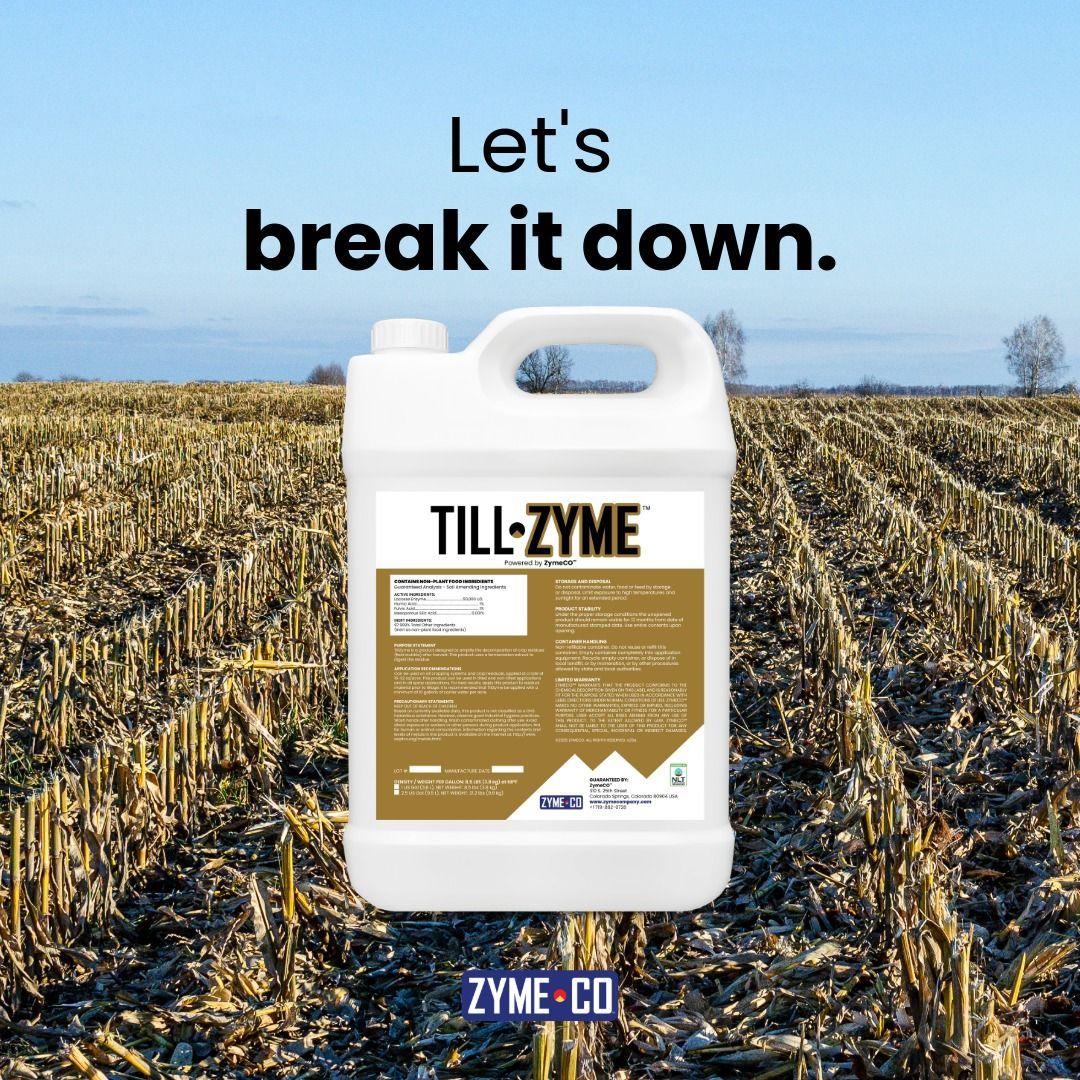
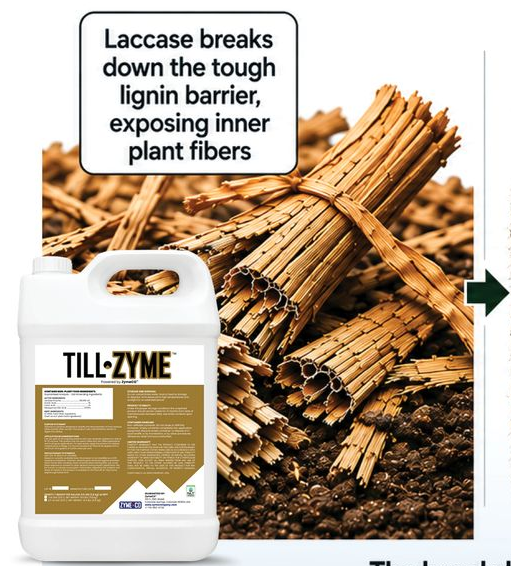
Corn residue can decompose slowly because lignin gives stalks and leaves their rigid structure. TillZyme™ uses laccase enzyme technology to help accelerate the breakdown of tough crop residue.
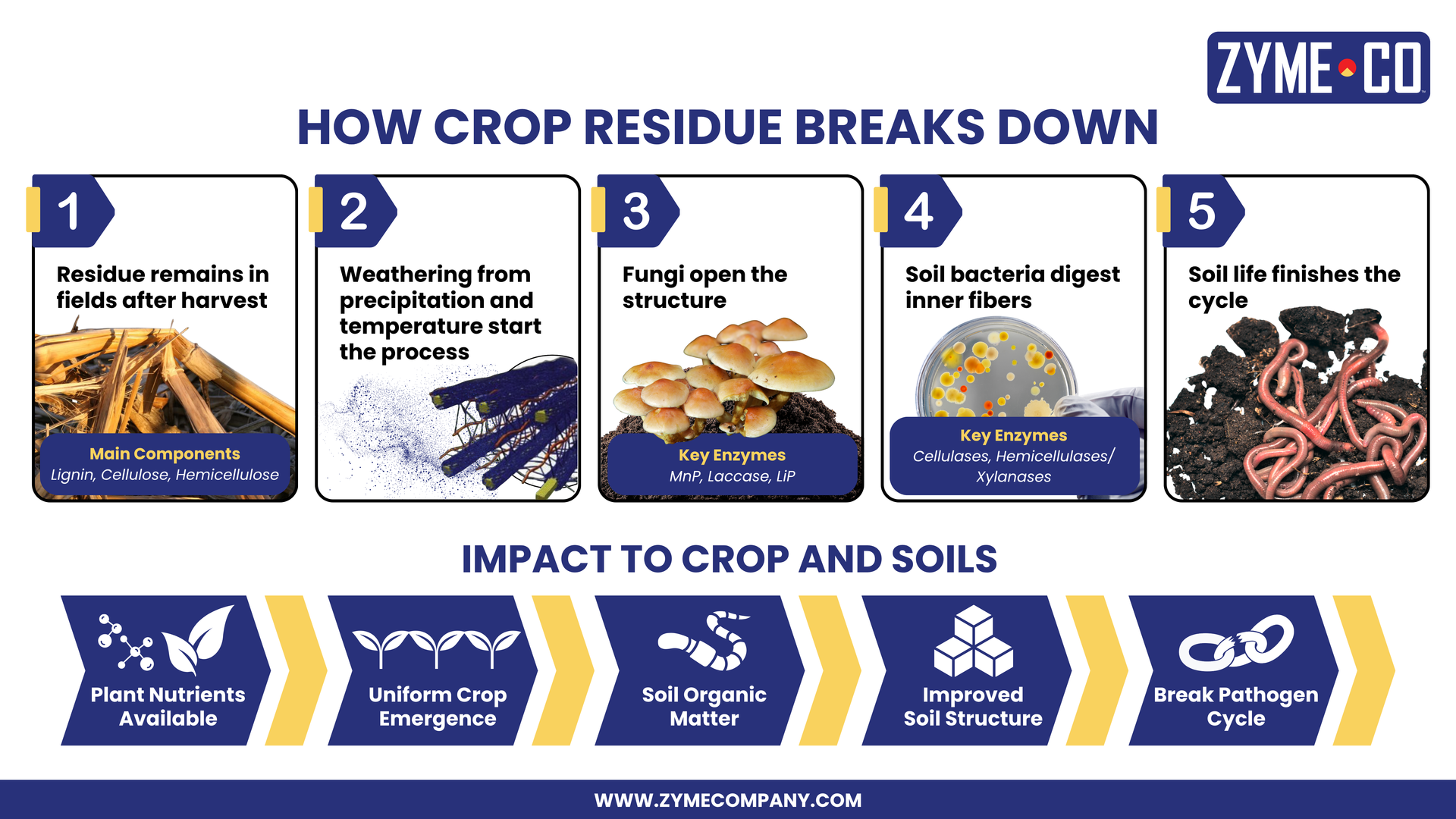
After harvest, crop residue is not just leftover stalks and leaves. It is an active biological system that adds nutrients to the soil, increases organic matter, and builds better soil structure for next year. Actively managed residues help create a favorable seedbed for better stands and yield. The enzymes produced by fungi accelerate the process by breaking down tough lignin before naturally occurring soil microbes take over. Learn more here .

Let’s dive into the science of thatch biology and learn all about a unique new product called ThatchZyme which delivers the first sprayable active enzyme proven to manage turfgrass thatch.
With every enzyme-based technology, the value comes from matching the right enzyme to the right target. They are precise tools with a targeted mode of action.

ZymeCO recently joined turf professionals, researchers, and industry partners at the Michigan State University Turfgrass Field Day for a day centered around research, education, and collaboration.