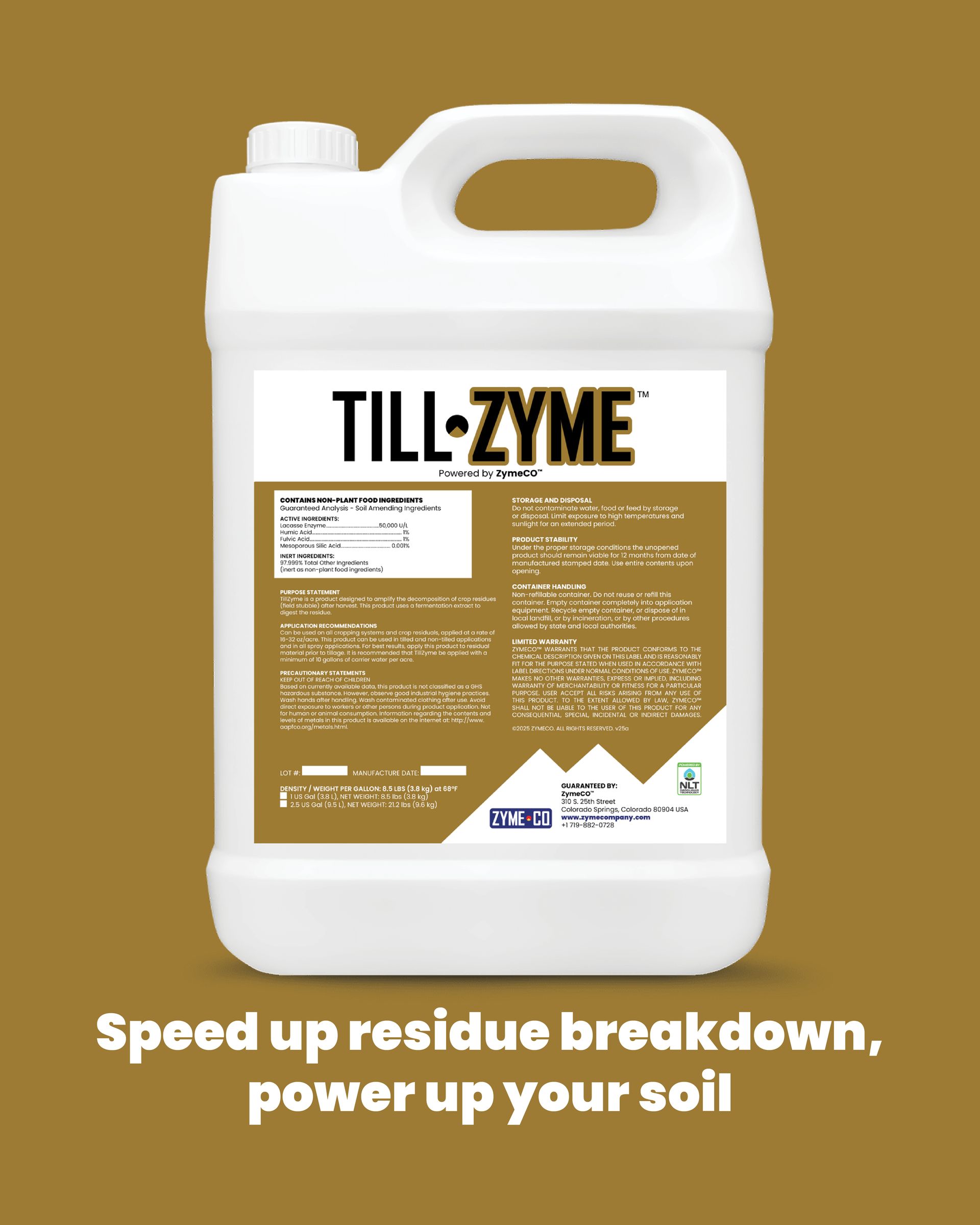


Breaking down lignin is only the beginning of managing residue after harvest.
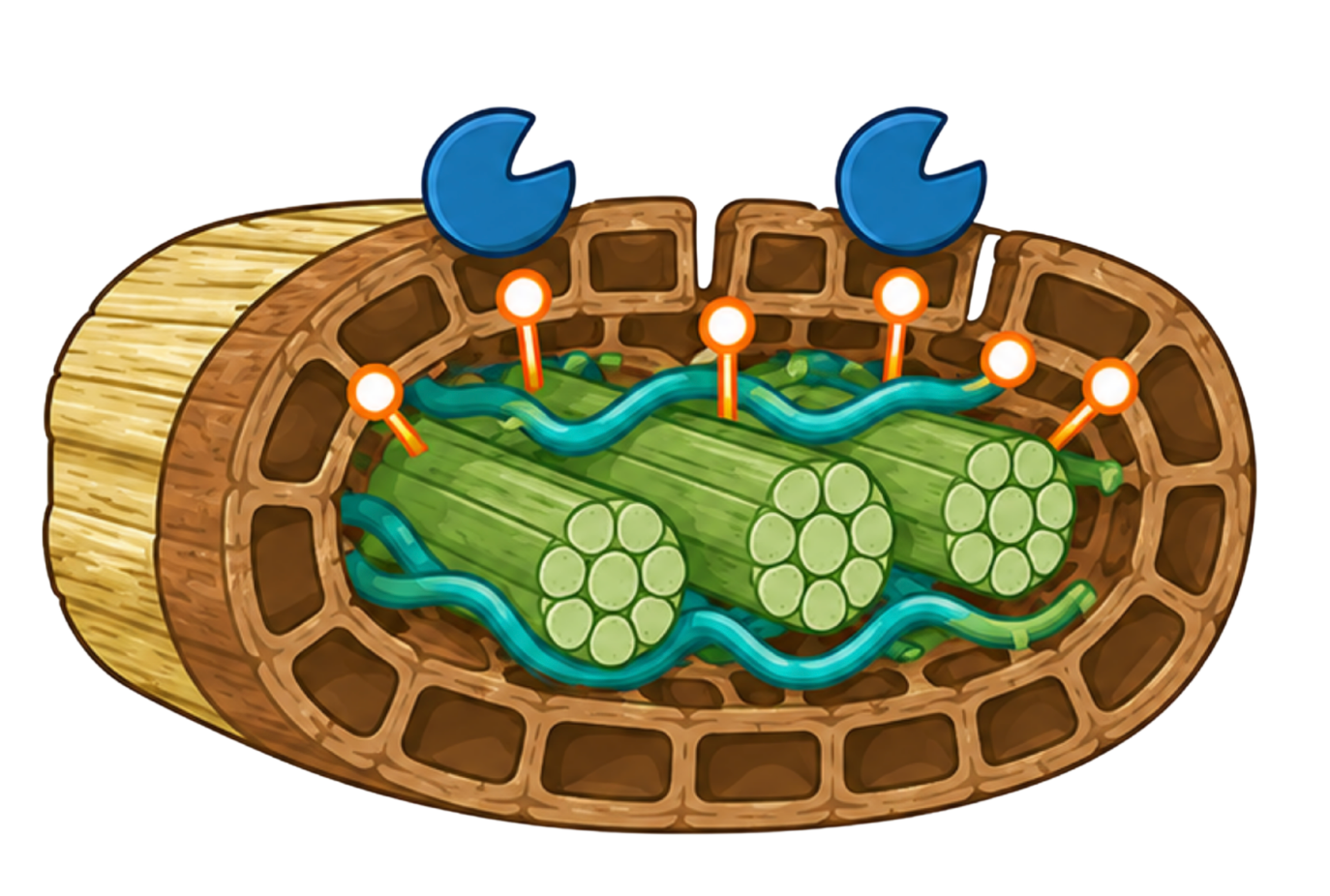
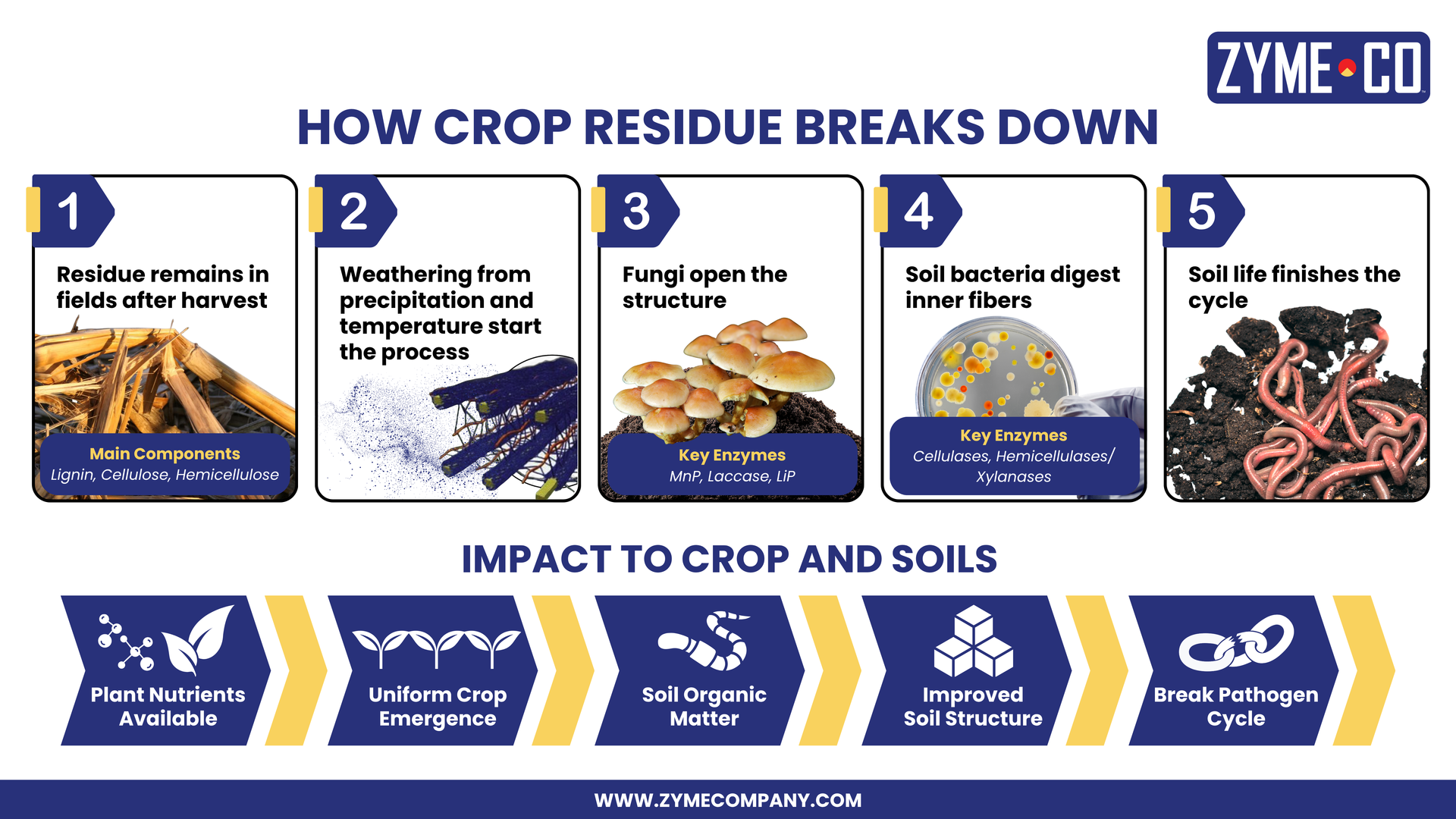
Once laccase opens the tough lignin barrier, the inner plant fibers become accessible to the soil’s natural biology. Microbes colonize these exposed layers and produce cellulases and hemicellulases. Unlike laccase’s broad, cascading action on lignin, cellulases and hemicellulases work more selectively, cutting specific bonds in the exposed plant fibers. Sugars are released from the enzyme action that microbes use for energy and growth.
As this cycle continues, plant-available nutrients return to the soil, carbon feeds beneficial microbes and contributes to soil organic matter, and less residue remains to interfere with crop emergence.
Effective residue management does more than reduce excess residue on surface. It helps turn this year’s residue into healthier soil and a more uniform start for next year’s crop.
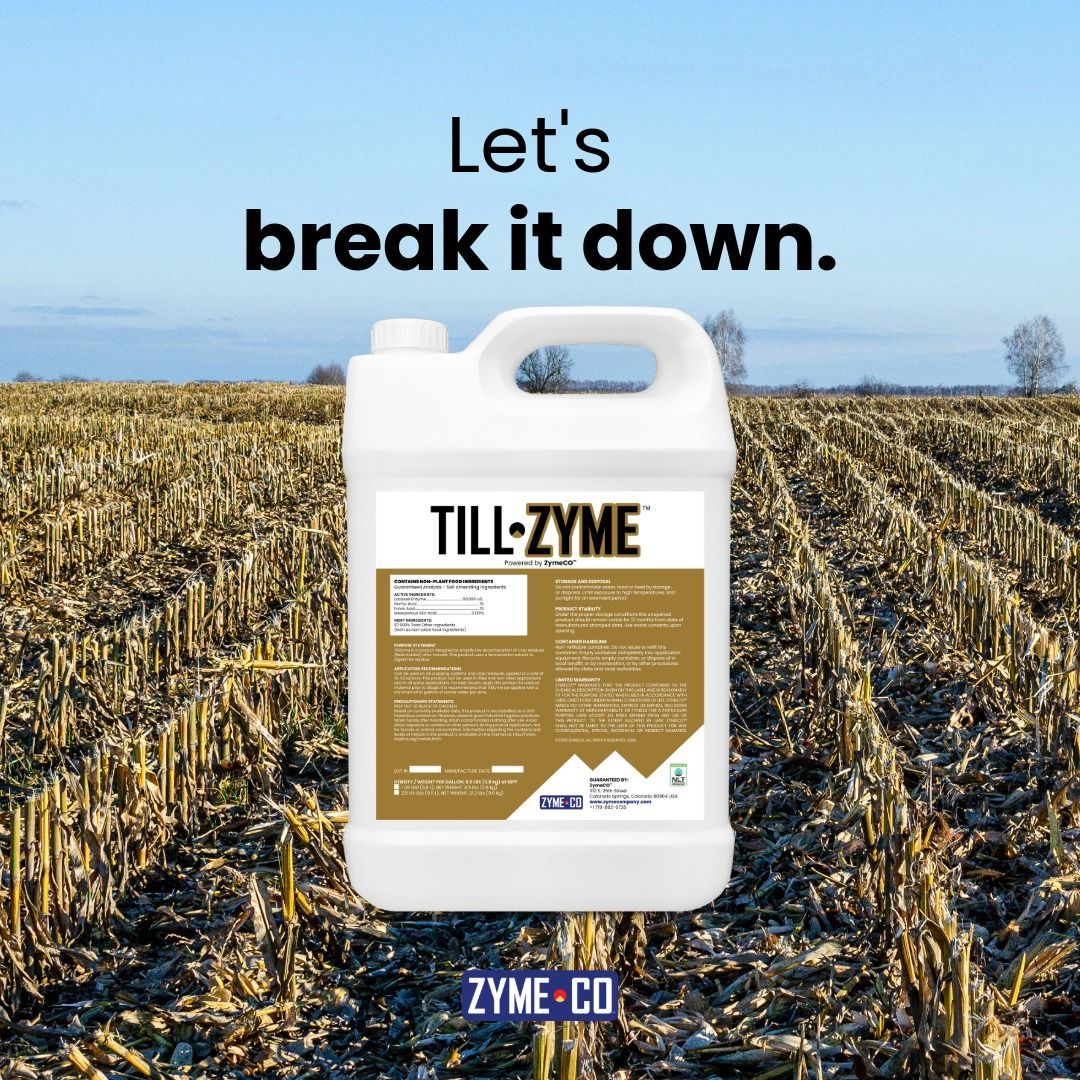
Learn more here: https://www.zymecompany.com/tillzyme