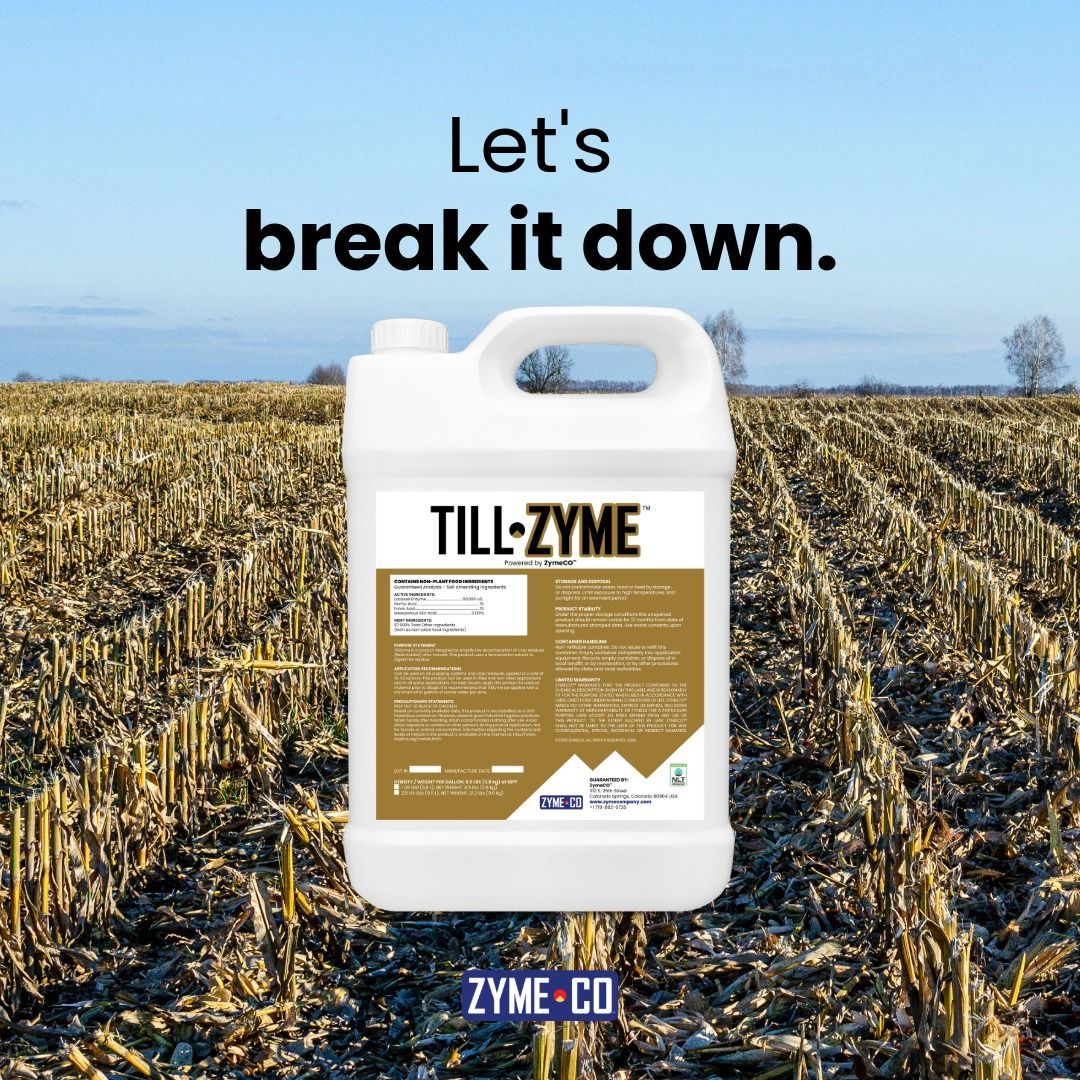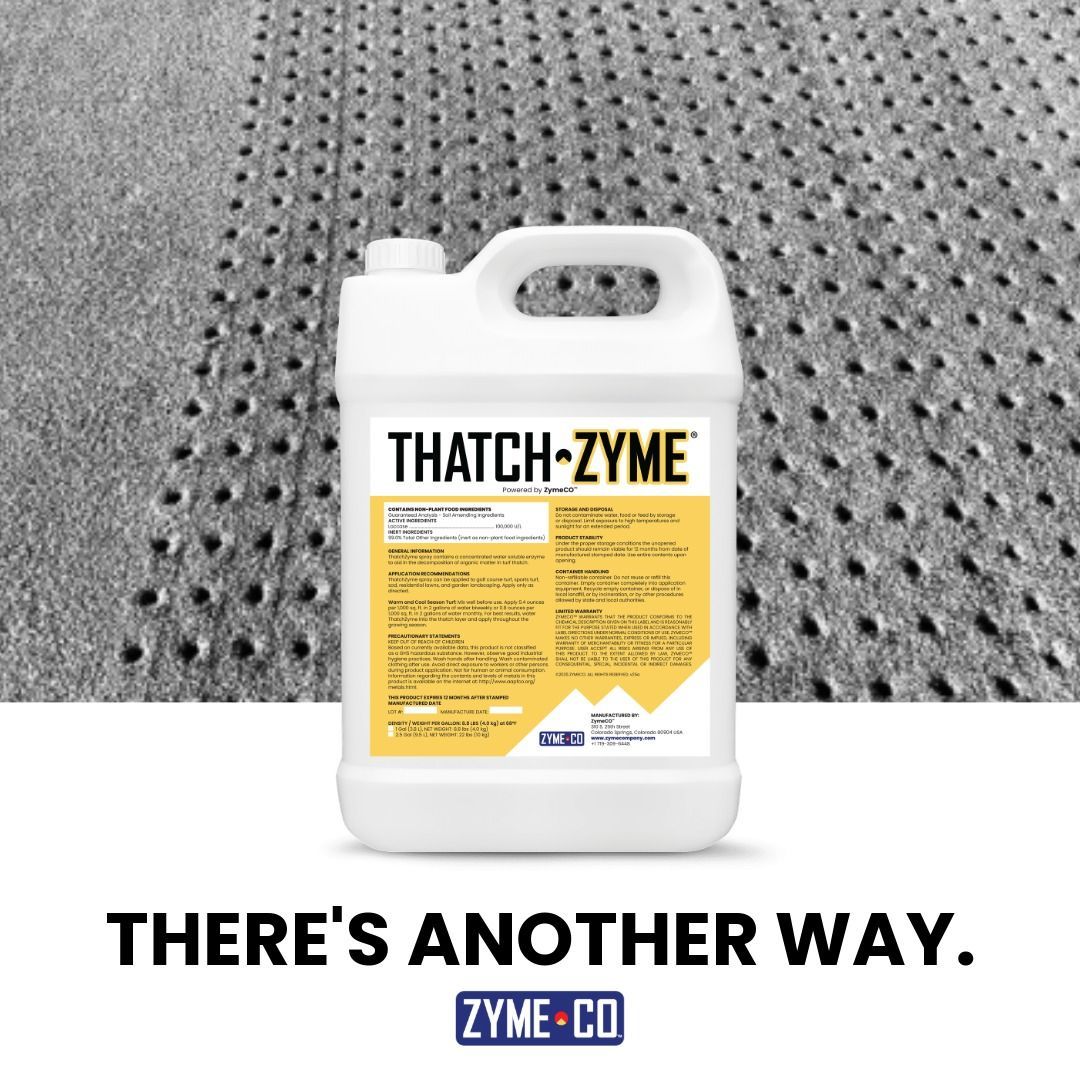

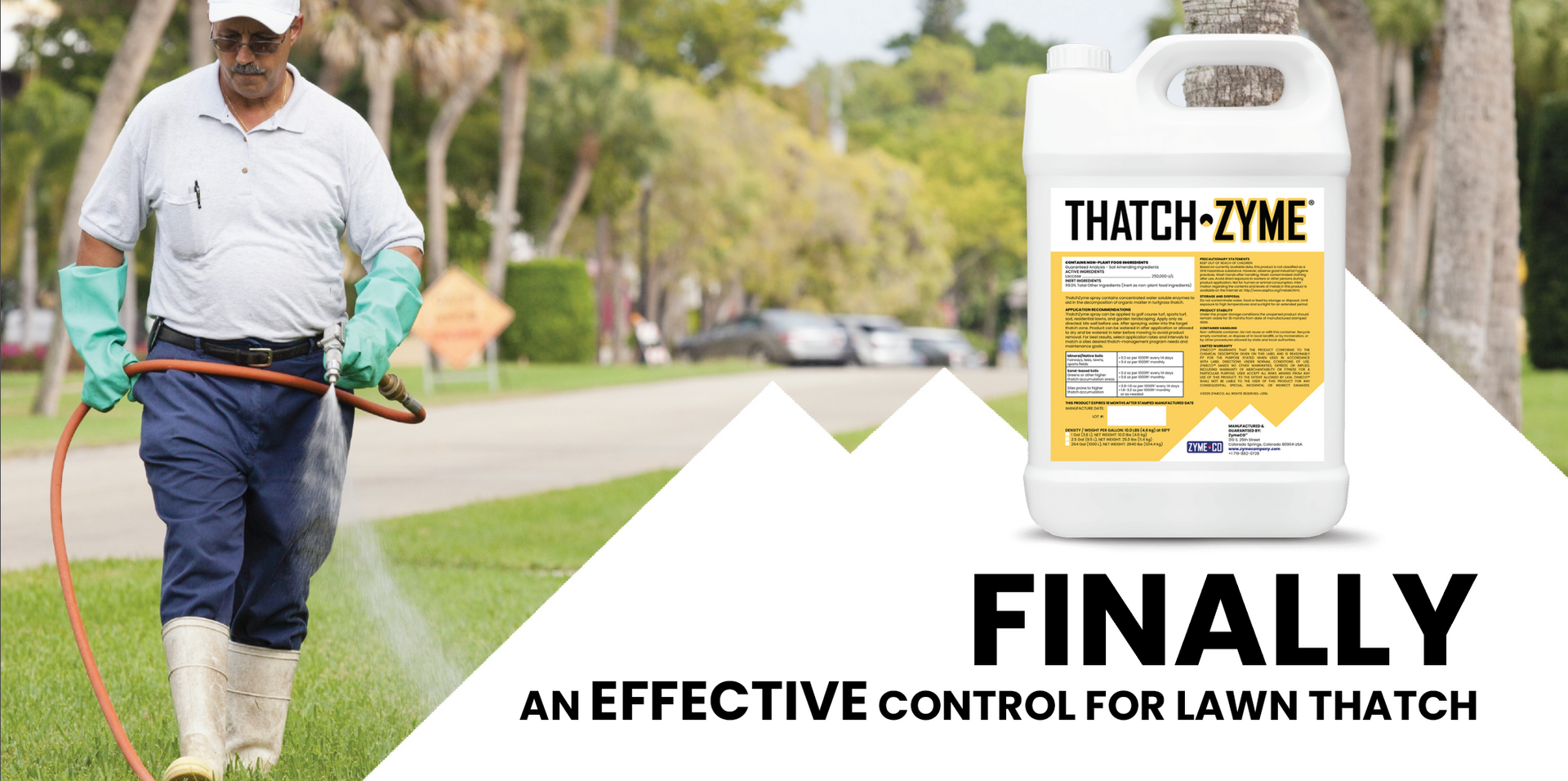
Let’s dive into the science of thatch biology and learn all about a unique new product called ThatchZyme which delivers the first sprayable active enzyme proven to manage turfgrass thatch. It works for lawn care operators in a seasonal spray program by targeting the hard-to-degrade parts of thatch to accelerate its breakdown.
Problems of Excess Thatch
Top lawn care programs delight customers by delivering healthy stands of thick, green, resilient turfgrass. To maintain these great lawns, proper fertility, pest control, irrigation, mowing, and cultural practices are optimized for results. Even with the best practices, preventing the buildup of excess thatch remains challenging due to the growth characteristics of well cared for turfgrass. Defined as — an intermingled layer of dead and living plant parts, when thatch grows in excess it can become an issue impacting turfgrass quality and performance. Thatchy lawns lead to puffy growth which when mowed is more easily scalped also appearing uneven as wheel ruts develop. Thatch layering leads to shallow rooting and plants which dry and brown out faster during summer stress. Excess thatch can impact pesticide placement and performance affecting: weed, insect and especially disease control measures. Many patch diseases and especially fairy rings are more severe on heavy thatch stands. Controlling thatch is an important practice when developing disease management programs because many pathogens develop in heavy organic thatch layers. Currently thatch is reduced through mechanical devices such as core aerators and dethatchers, useful but often disruptive and costly due to the labor and time needed to operate them.
The Research Discovery
Though many types of sprayable thatch-reducing products have come and gone over the years, ThatchZyme is uniquely different in that it delivers a proprietary form of a concentrated enzyme. As the first proven sprayable program for managing thatch and organic matter buildup, ThatchZyme came to the market after years of research, development and real world field testing.
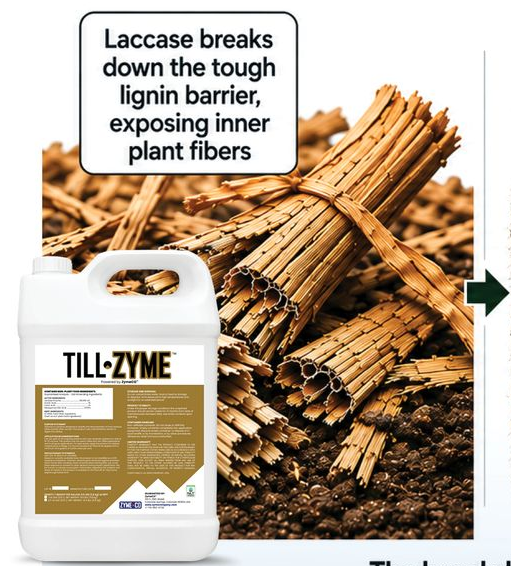
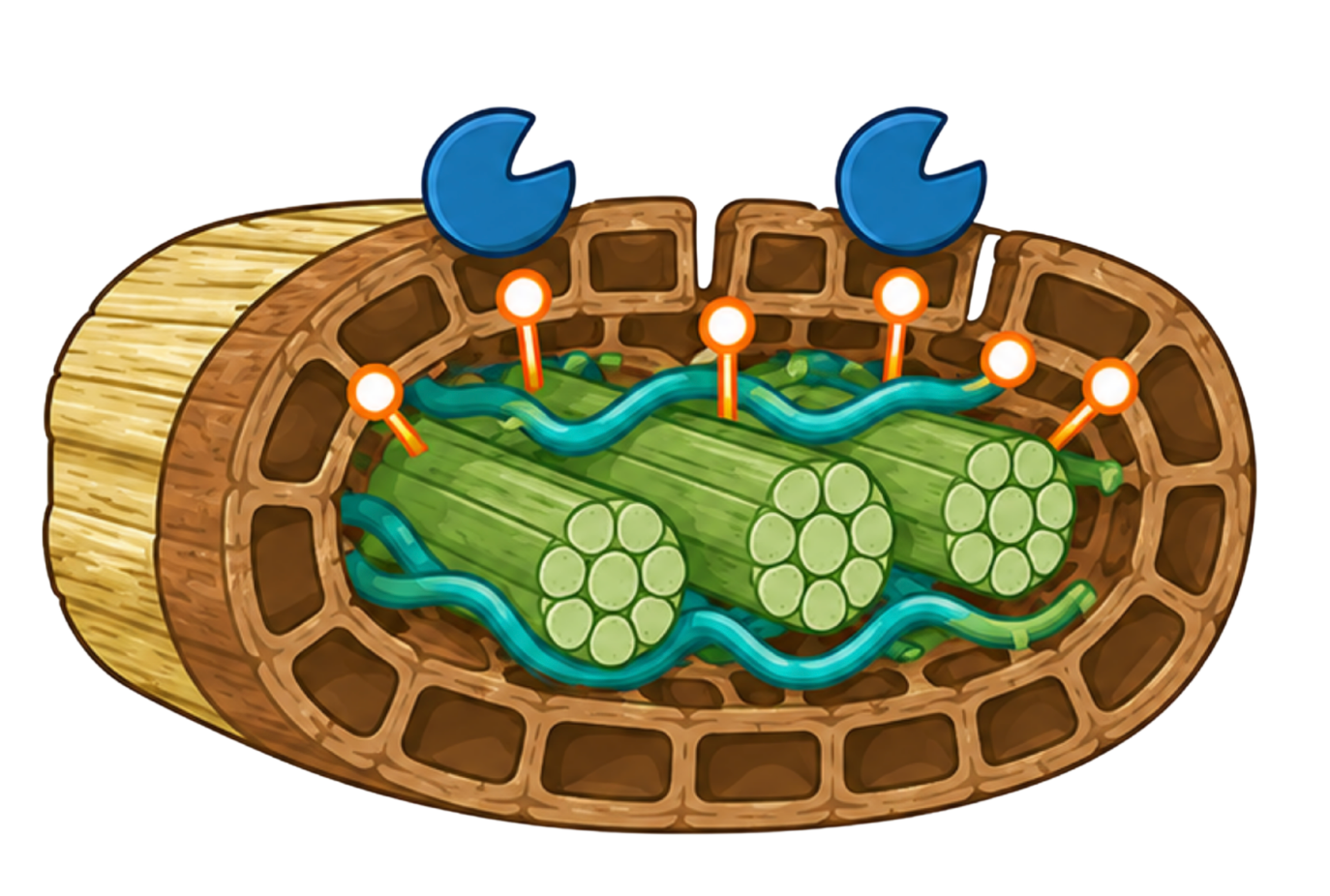
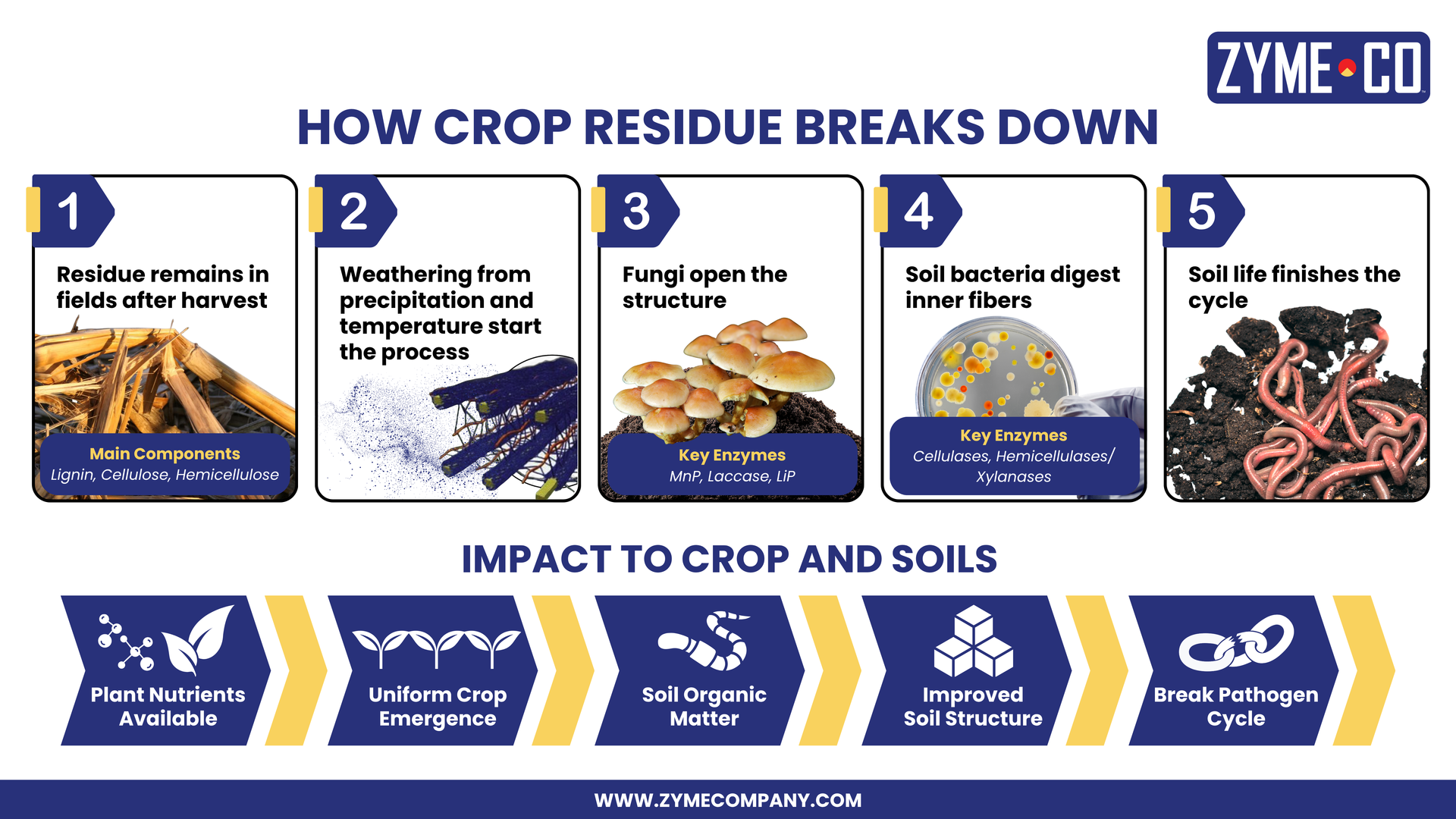
The secret reason why thatch accumulates is due to the plants ability to make a unique plant-cell-wall material called Lignin. Lignin’s purpose is to guard against microbial breakdown of itself and other plant cell materials (cellulose and hemi-cellulose) thus lignin is crucial for protecting stolons, rhizomes, crowns and roots. As these parts naturally die and accumulate in the thatch zone forming dense mat layers, deposited here — lignin persists thus making it harder for soil fungi and bacteria to break thatch down. Nature’s solution to degrading this tough part is through a very unique enzyme called Laccase, produced especially well by fungi to degrade lignin. Laccase has become the most well-researched enzyme solution to accelerate the breakdown of turfgrass thatch. Building upon academic findings, the ZymeCo research team from Colorado Springs CO developed a proprietary bio-fermentation process where plant-based materials are inoculated with certain fungi to make a highly concentrated form of laccase in the new product ThatchZyme for turfgrass.
Sprayable lawn care programs
To summarize all of this in the simplest terms — like removing a candy wrapper: the laccase in ThatchZyme works by breaking down lignin (the wrapper) to allow the existing soil microbes to more easily and quickly degrade thatch (the candy) providing you another tool to now optimize your organic matter management through a proven sprayable program.
Whether your target is lawn care, sports fields, or golf we’re here to help design effective and profitable spray programs for your business. ThatchZyme is tank-mix compatible and works in yearly programs of 3 to 6 applications per season.