
In intensively managed turfgrass ecosystems, organic matter accumulation presents a critical cultural and management challenge. When vegetative production (organic matter accumulation) outpaces biological decomposition, a dense layer known as thatch forms. To truly solve this, we must examine the structural anatomy of the plant cell wall at the molecular level.
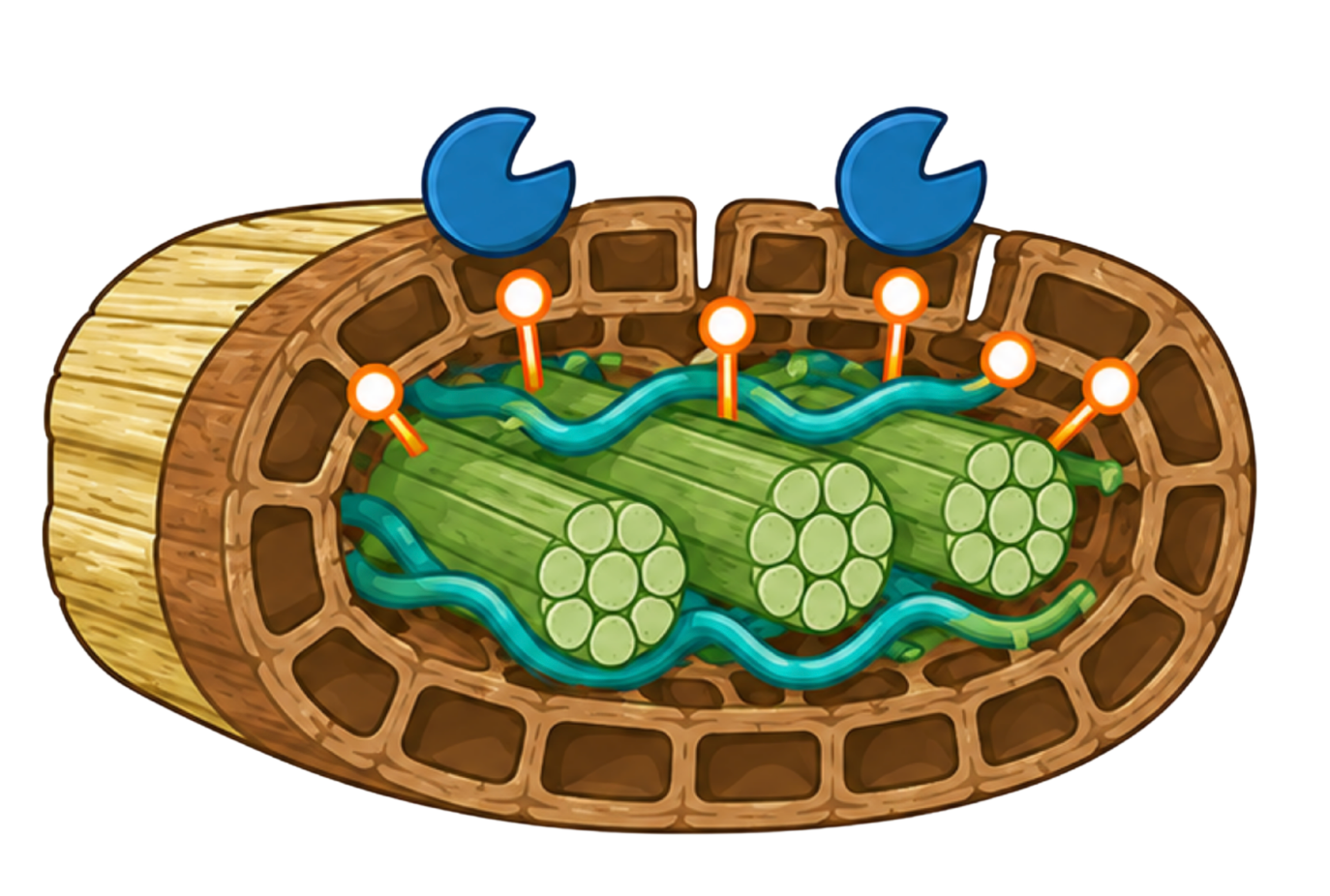
Plant cell walls are composed of cellulose (35–50%) and hemicellulose (15–35%) chains. These are readily decomposable, energy-rich sugars that native soil microbes can easily consume. However, these sugars are physically encased within a protective matrix of lignin (10–30%), functioning much like steel reinforcing rebar (cellulose and hemi-cellulose) embedded in impenetrable industrial concrete.

The Structural Chaos of Lignin
Why is this biological concrete so incredibly resistant to natural degradation? The answer lies in its chaotic/heterogenous synthesis. Lignin is constructed from three primary monolignols: p-coumaryl, coniferyl, and sinapyl alcohols. These monomers attach to one another in a completely random fashion via oxidative coupling. This creates a highly heterogeneous macromolecule locked together by different types of highly resistant, non-hydrolyzable covalent bonds. Because it lacks a uniform repeating structure, standard microbial enzymes cannot "unzip" it; they simply bounce off the matrix. Also, apart from the bonds that lignin monomers are attached to, these monomers are linked to sugar monomers with different bonds, therefore creating a ligno-cellulosic structure that is extremely difficult to break open.
The Enzyme Showdown: Peroxidases vs. Laccases
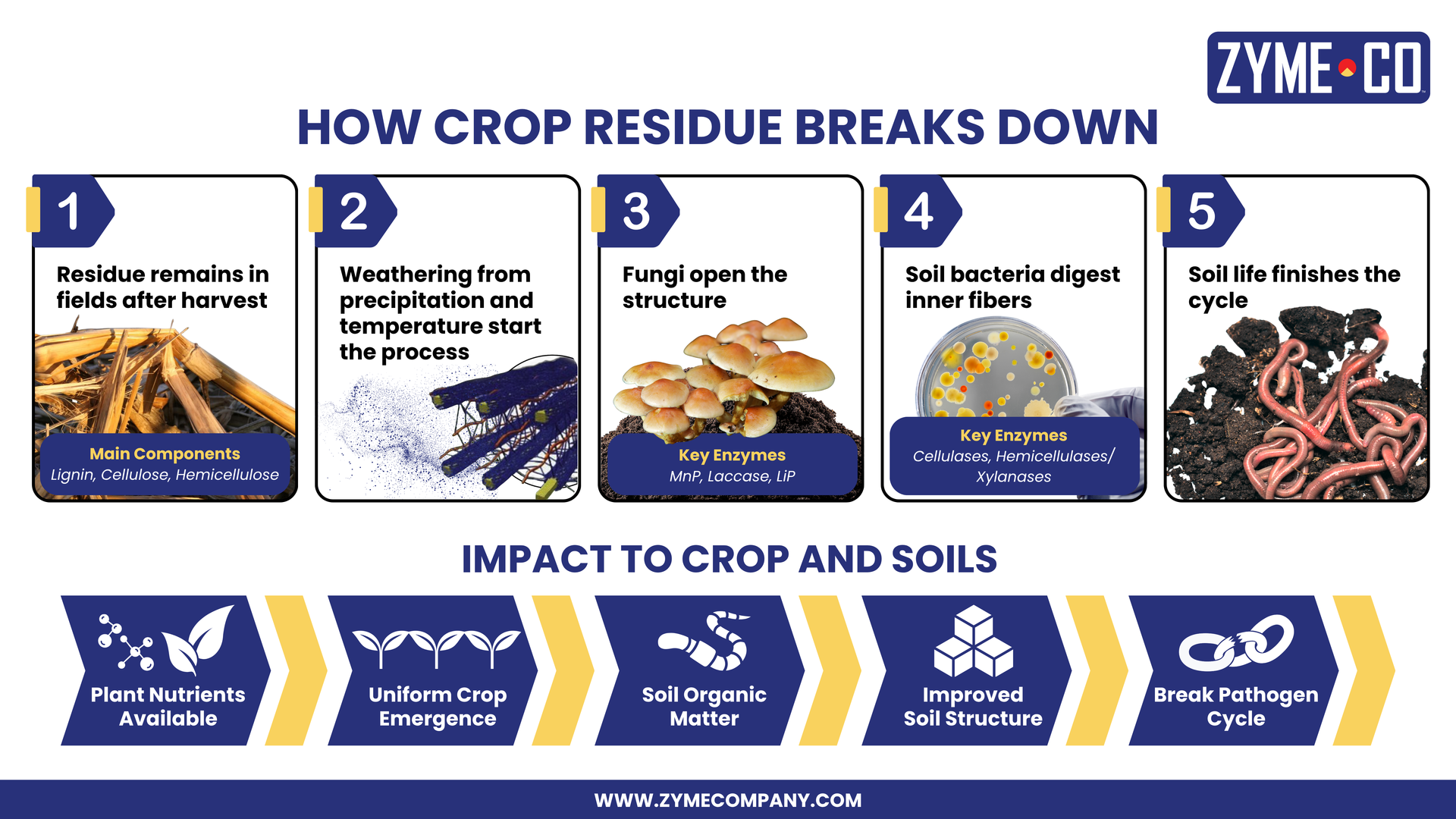
In nature, white-rot fungi secrete specialized oxidative enzymes to break down lignin. These include lignin peroxidases (LiP), manganese peroxidases (MnP), versatile peroxidases (VP), and laccases. However, peroxidases share a fatal flaw for turf management: they require a continuous supply of highly reactive hydrogen peroxide to function. Applying a strong chemical oxidant like hydrogen peroxide to a golf green causes severe phytotoxic scalping and kills beneficial soil microbes. Laccases, on the other hand, require nothing but ambient molecular oxygen from the air. They safely degrade the lignin matrix and produce harmless water as their sole byproduct.
The Critical Role of Redox Potential
Choosing a laccase is only the first step. The lignin matrix is composed of roughly 10–20% simple phenolic components, and 80–90% highly resistant non-phenolic components. Low-redox laccases can only oxidize the minor phenolic fraction. To fully dismantle the barrier, a laccase with an exceptionally high redox potential is mandatory to cleave the dominant non-phenolic linkages.
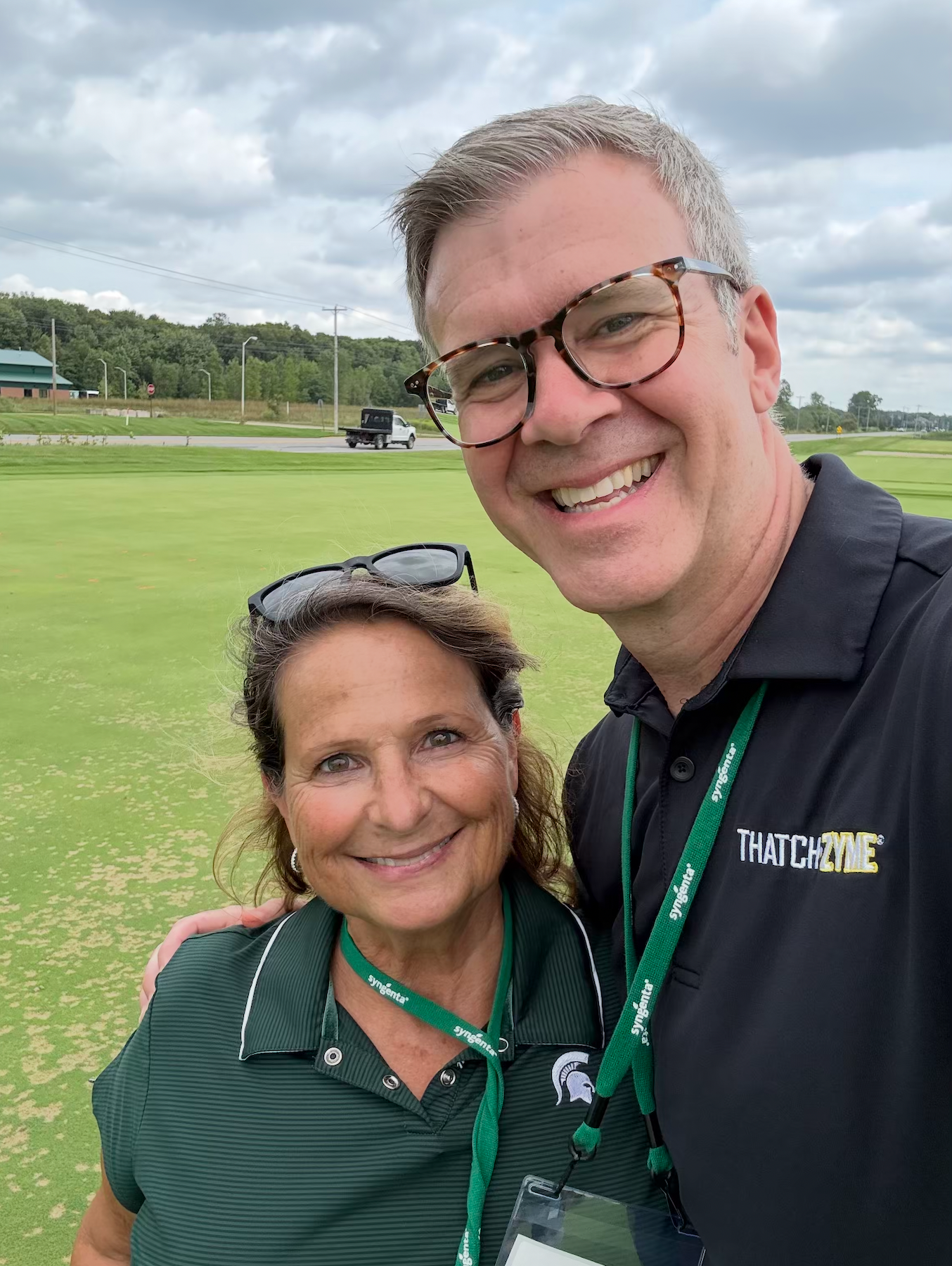
The scientific journey to prove this began in 2008 when a pioneering research team at the University of Georgia—including myself, Dr. Paul Raymer, Dr. Bob Carrow, and Dr. Jack Huang—initiated the first use of direct, high-redox enzymes for thatch management.
Today, at ZymeCo, we have evolved that foundational science into
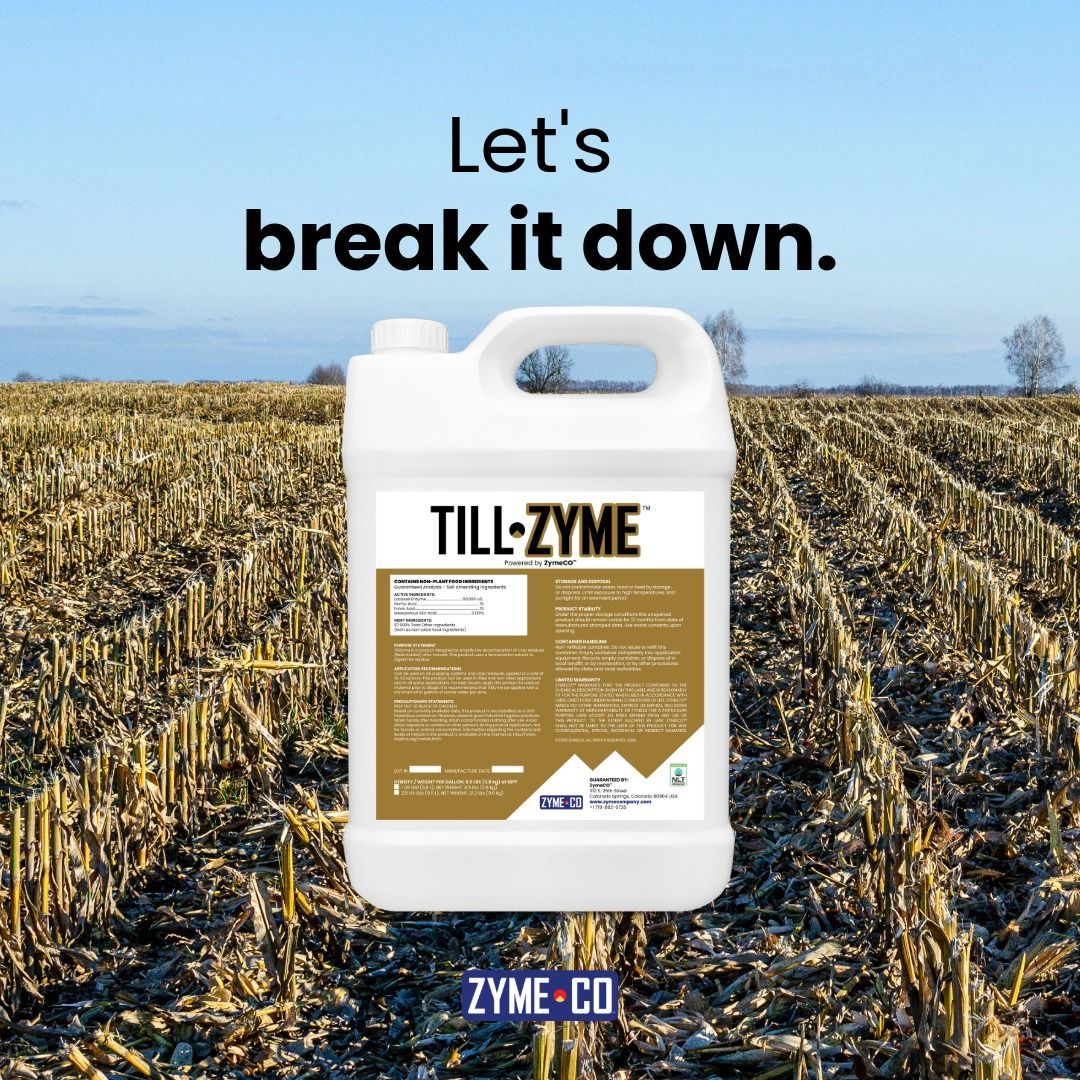
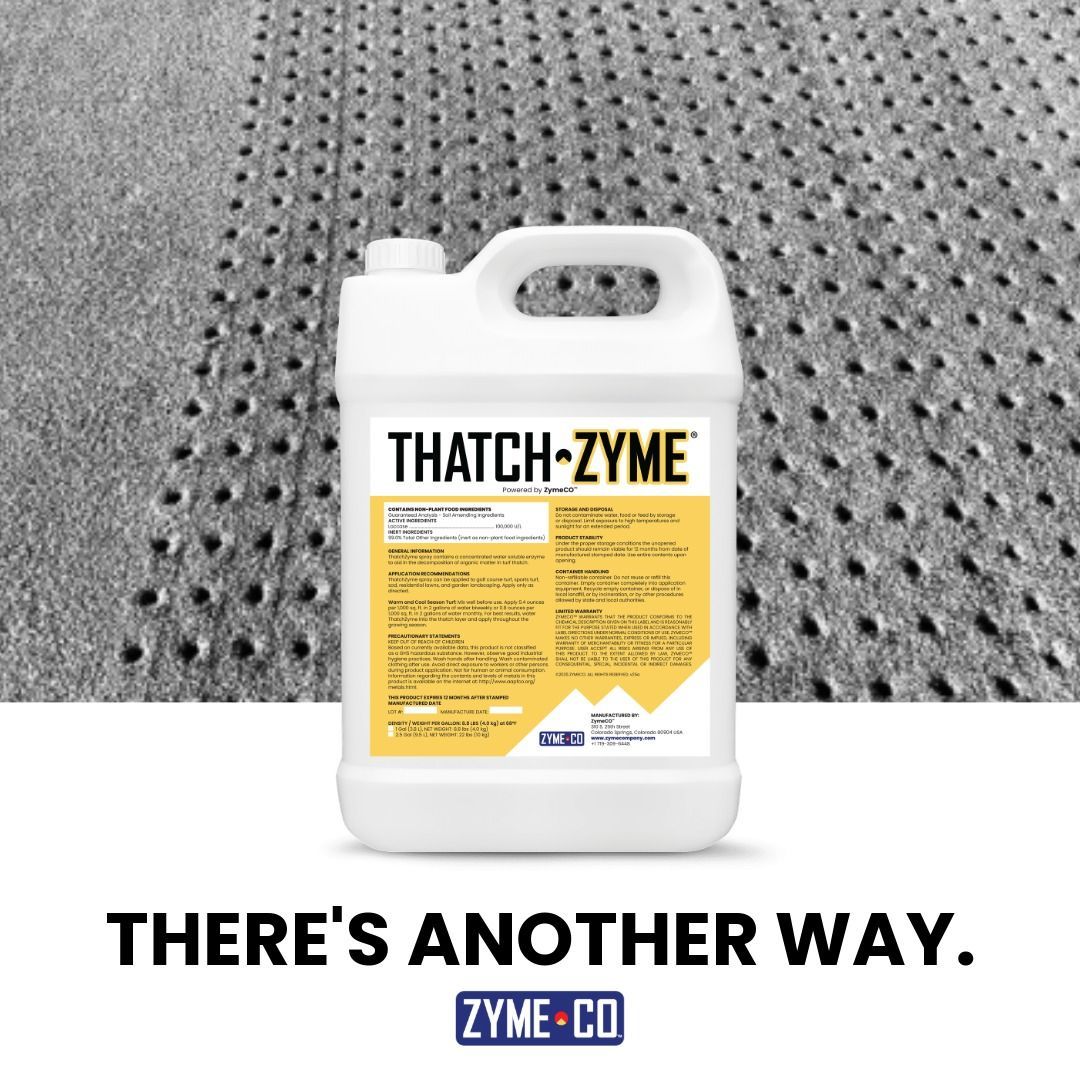
ThatchZyme. Utilizing a proprietary fungal source, ThatchZyme delivers an exceptionally high redox potential to shatter both the phenolic and non-phenolic bonds of the lignin matrix safely and autonomously. Immune to chemical fungicides and requiring zero course downtime, it is the definitive, non-invasive answer for modern thatch management.