
Planning Fall Fertility? Do Not Overlook Crop Residue
ZymeCO • August 17, 2026

As growers begin planning fall phosphorus and potash applications, it is also worth considering the nutrients already sitting in the field.


Crop residue contains valuable nutrients, including phosphorus and potassium. However, those nutrients remain tied up in stalks, leaves and stubble until the residue breaks down.


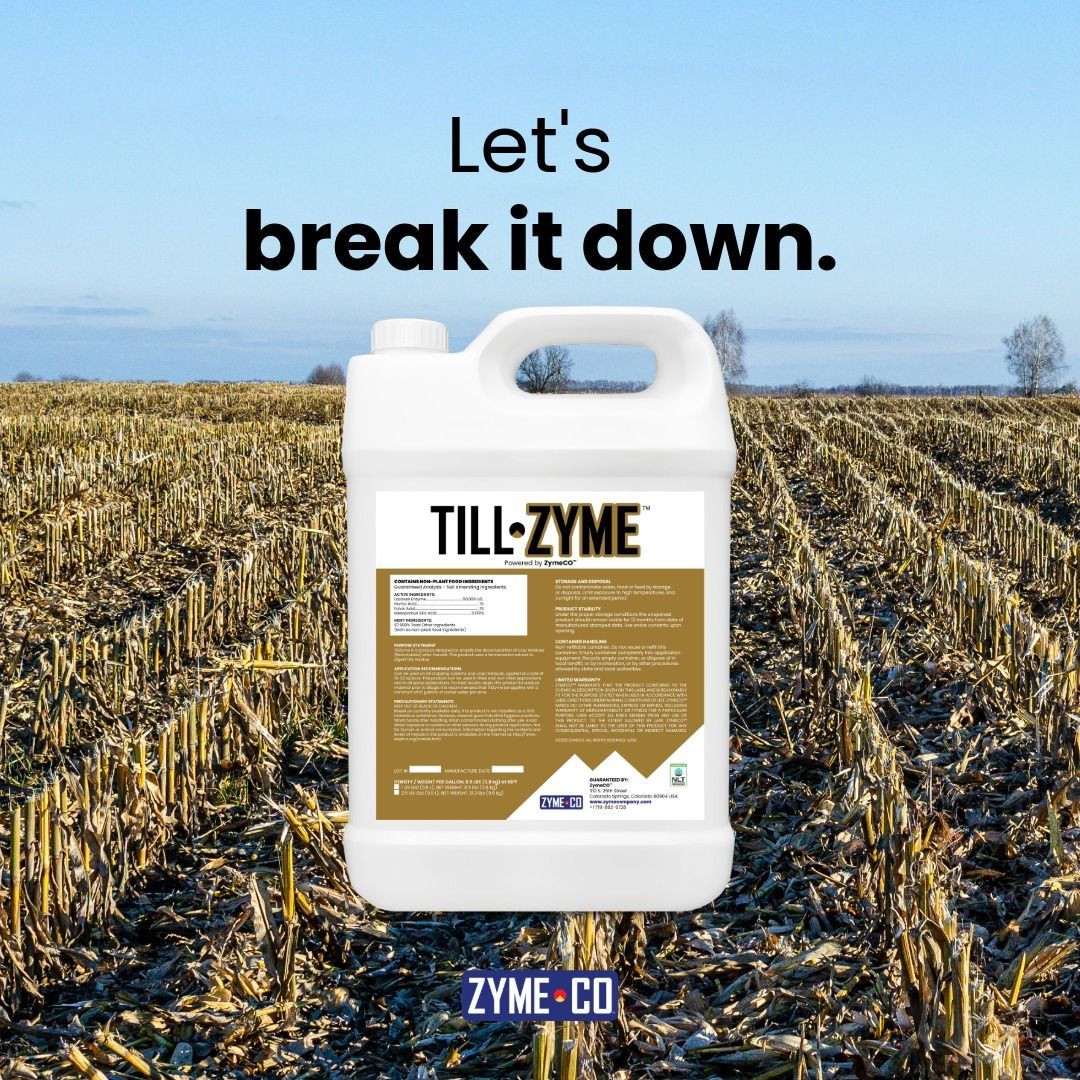
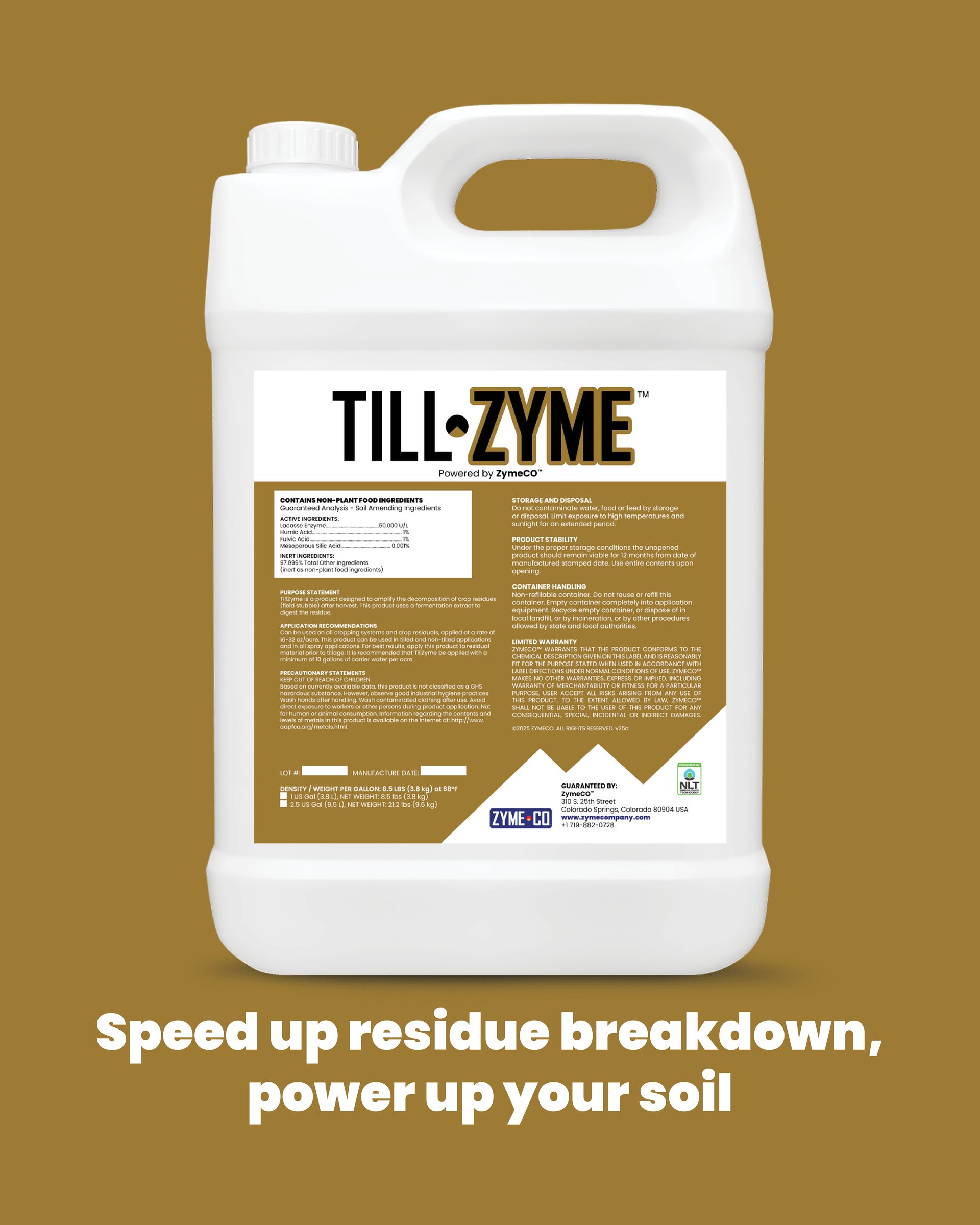
TillZyme® uses enzyme technology to help accelerate residue decomposition and support the release of nutrients back into the soil nutrient cycle. It can be used in both tilled and no-till systems, helping growers manage residue while preparing fields for the next crop.


TillZyme does not replace recommended fertilizer applications. Instead, it complements a fall fertility program by helping growers make better use of the nutrients and organic material already present in the field.


As you plan fall P and K applications, do not focus only on what you are putting down. Think about how you can get more value from what is already there.


Turn residue into opportunity with TillZyme: Residue to Revenue™.
Learn More
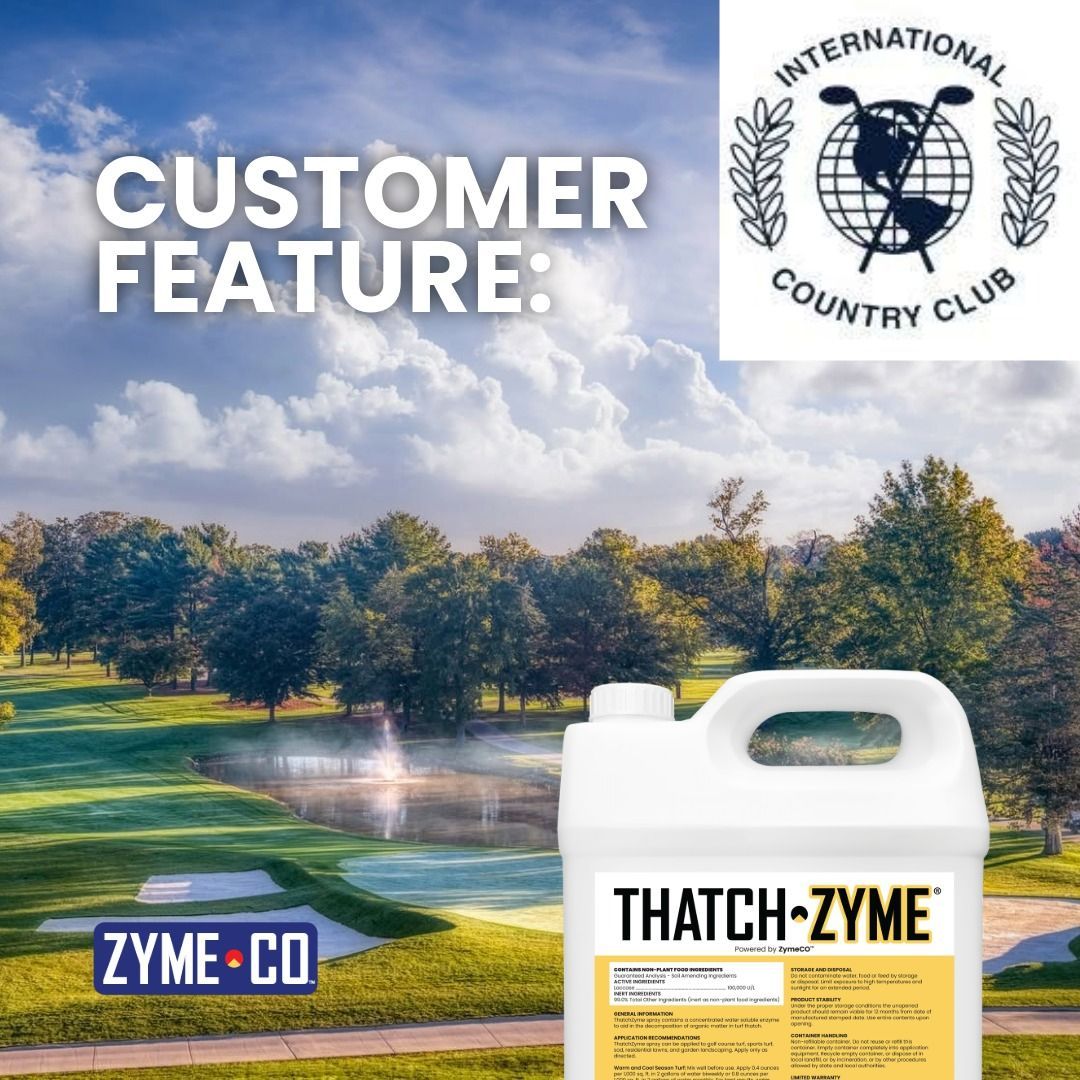
Customer Feature: ThatchZyme at International Country Club, VA
By Phil Dwyer • November 9, 2026
After years of battling puffy tees and summer scalping, International Country Club in Fairfax, VA, says "Our tees did not scalp in July and August as in years past. The puffiness is noticeably less."
Colorado Course ThatchZyme Trial:  Poa-Bentgrass Tee
By ZymeCO • November 3, 2026
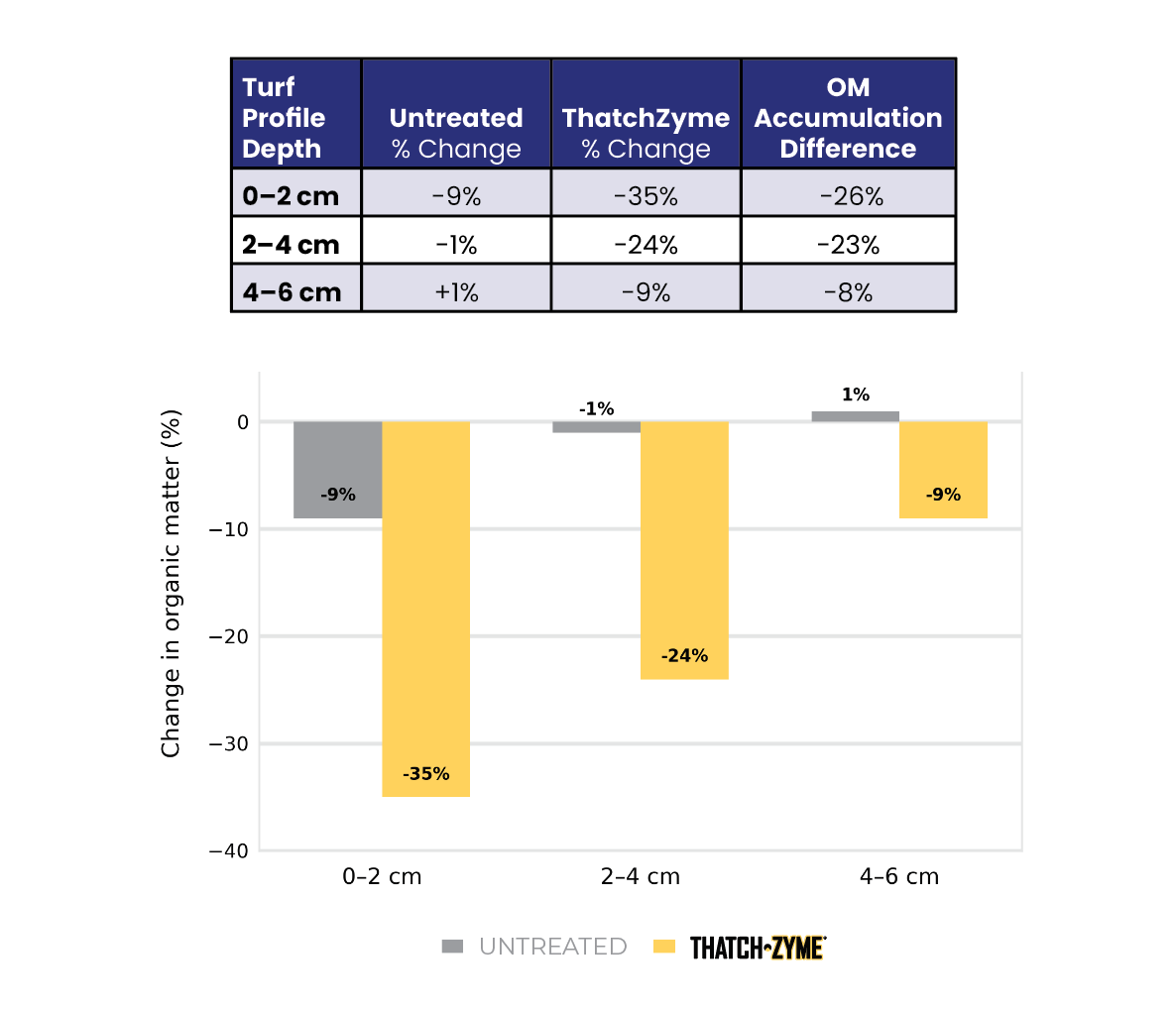
A 2026 Colorado golf course trial evaluated ThatchZyme’s effect on organic matter in a Poa-bentgrass tee. ThatchZyme reduced organic matter throughout the upper 6 cm of the turf profile, with the greatest reduction near the surface.
By Bridgette Readel& Jason Hanson, Agronomists Happy Hour • November 2, 2026
Jason, Bridgette, and Stephanie Wedryk dig into how residue breakdown products work, why enzymes are different from microbial products, and what farmers should actually expect from these inputs.
By Stephanie Wedryk, Ph.D. • October 21, 2026
Biological products rely on living microbes that must survive changing field conditions or on blends of naturally occurring compounds with multiple modes of action. ZymeCO enzymes are different. They are non-living, purified proteins designed to catalyze specific biochemical reactions.
By Stephanie Wedryk, Ph.D. • October 1, 2026
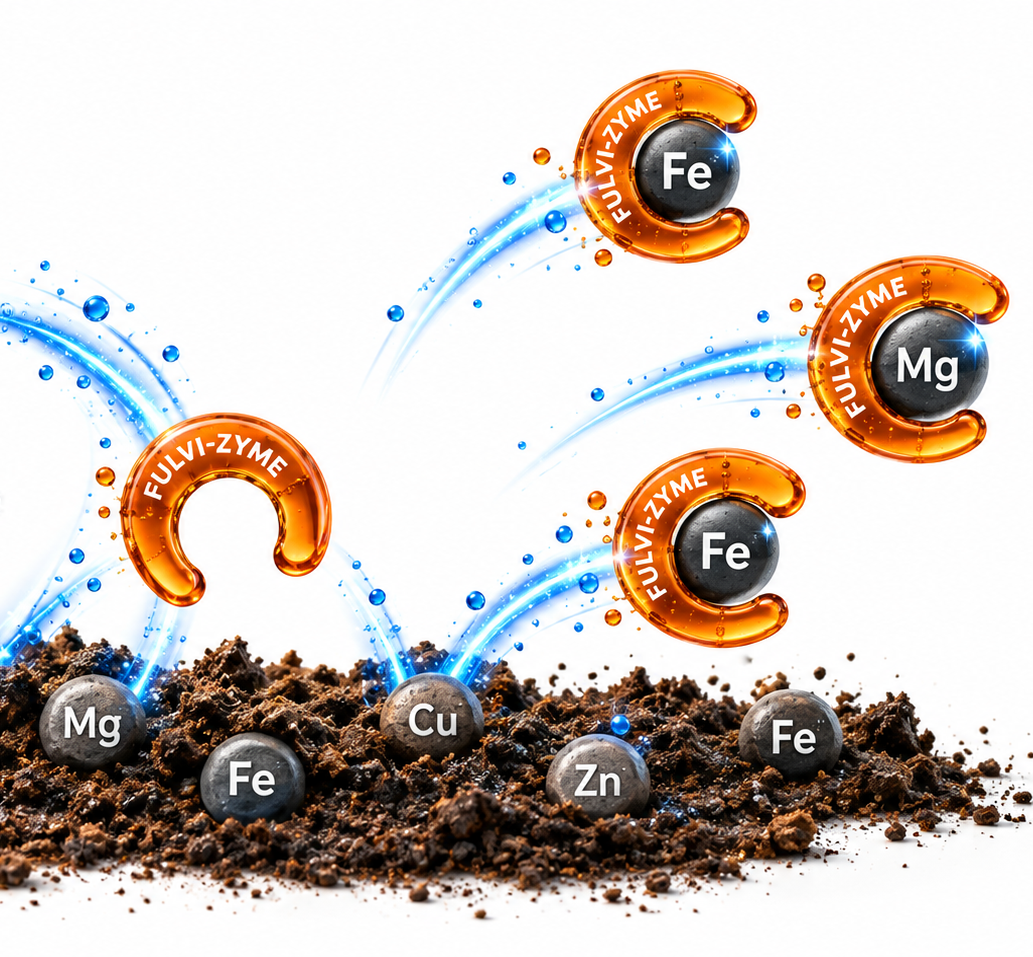
Unlike conventional leonardite-based fulvic products, FulviZyme combines plant-derived fulvic acid with naturally occurring organic acids and bioactive plant compounds.
By Stephanie Wedryk, Ph.D. • September 30, 2026
Effective residue management does more than reduce excess residue on surface. It helps turn this year’s residue into healthier soil and a more uniform start for next year’s crop.
By Stephanie Wedryk, Ph.D. • September 14, 2026
Rather than viewing residue as something to simply manage, TillZyme helps unlock its value by helping start the biological process that turns tough plant material into a resource for the soil.
By Stephanie Wedryk, Ph.D. • September 8, 2026
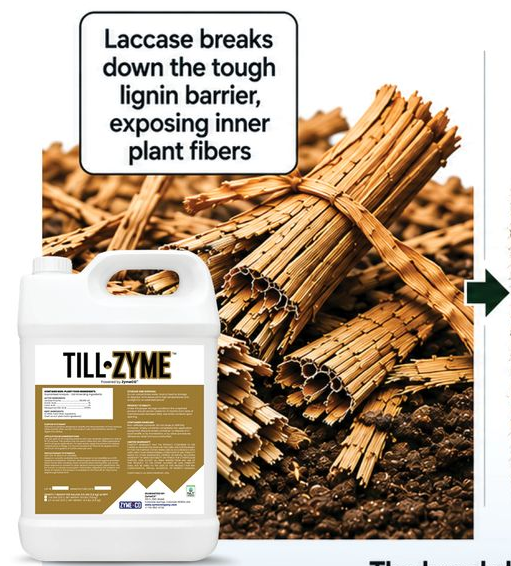
Corn residue can decompose slowly because lignin gives stalks and leaves their rigid structure. TillZyme™ uses laccase enzyme technology to help accelerate the breakdown of tough crop residue.
By Stephanie Wedryk, Ph.D. • September 2, 2026
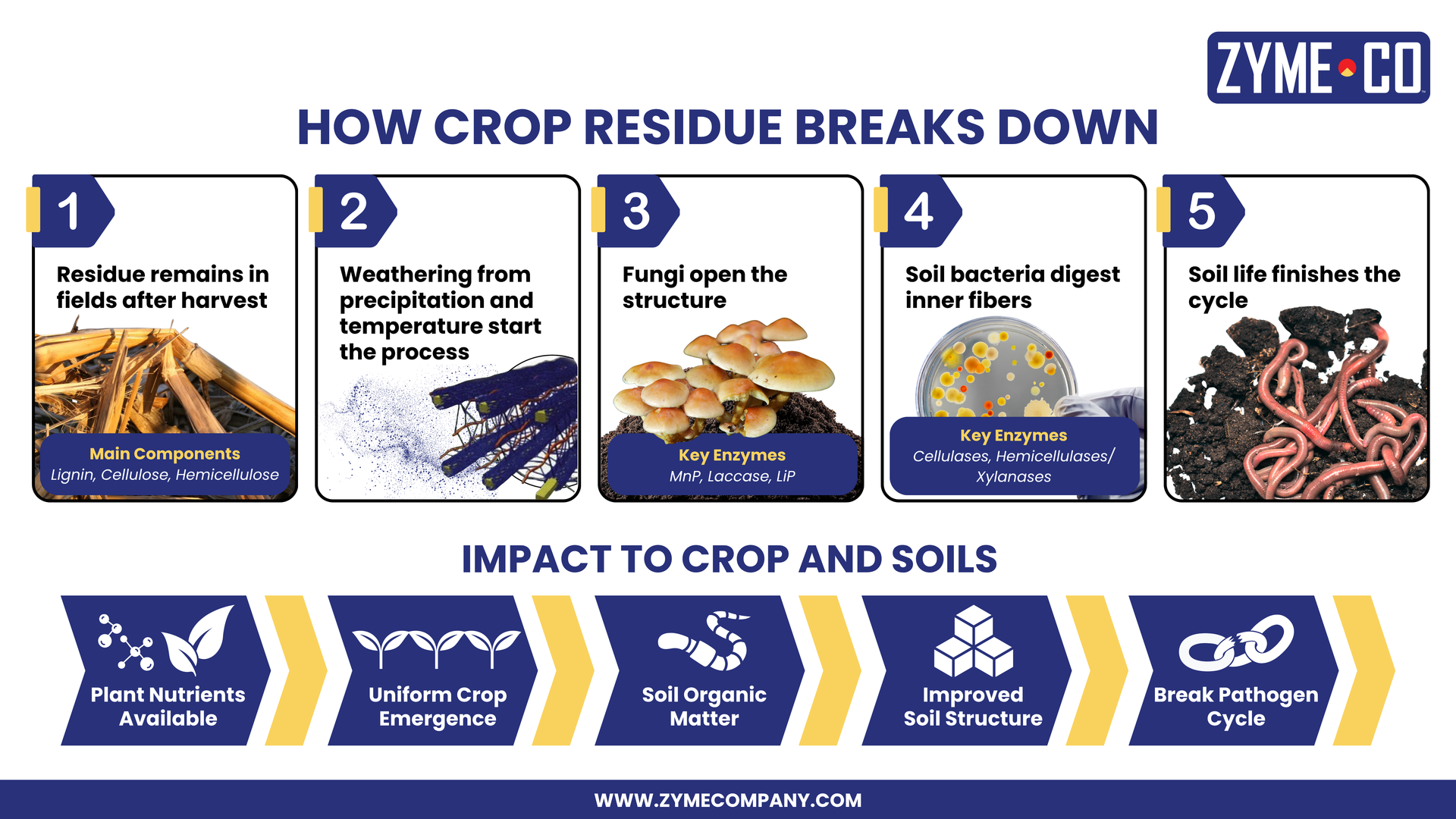
After harvest, crop residue is not just leftover stalks and leaves. It is an active biological system that adds nutrients to the soil, increases organic matter, and builds better soil structure for next year. Actively managed residues help create a favorable seedbed for better stands and yield. The enzymes produced by fungi accelerate the process by breaking down tough lignin before naturally occurring soil microbes take over. Learn more here .
By Phil Dwyer, VP Sales & Marketing • August 26, 2026
Let’s dive into the science of thatch biology and learn all about a unique new product called ThatchZyme which delivers the first sprayable active enzyme proven to manage turfgrass thatch.