
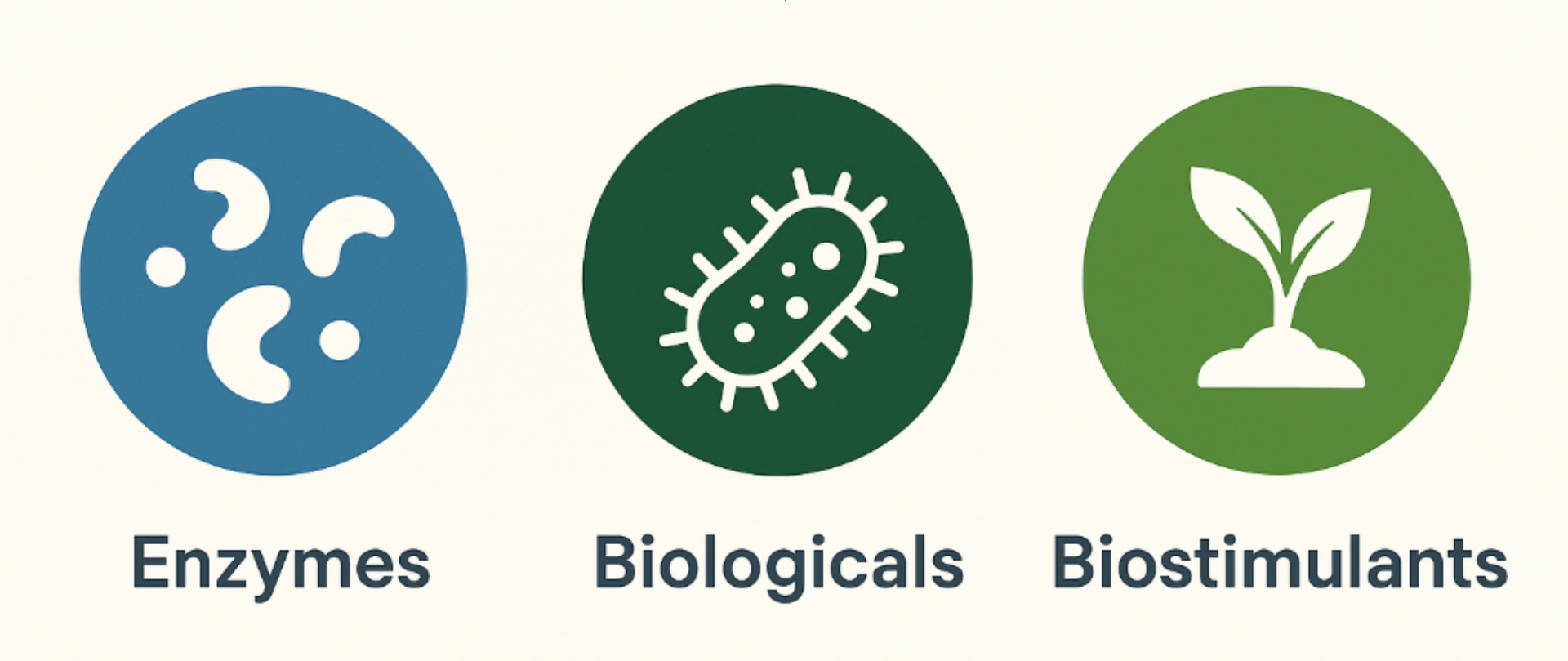
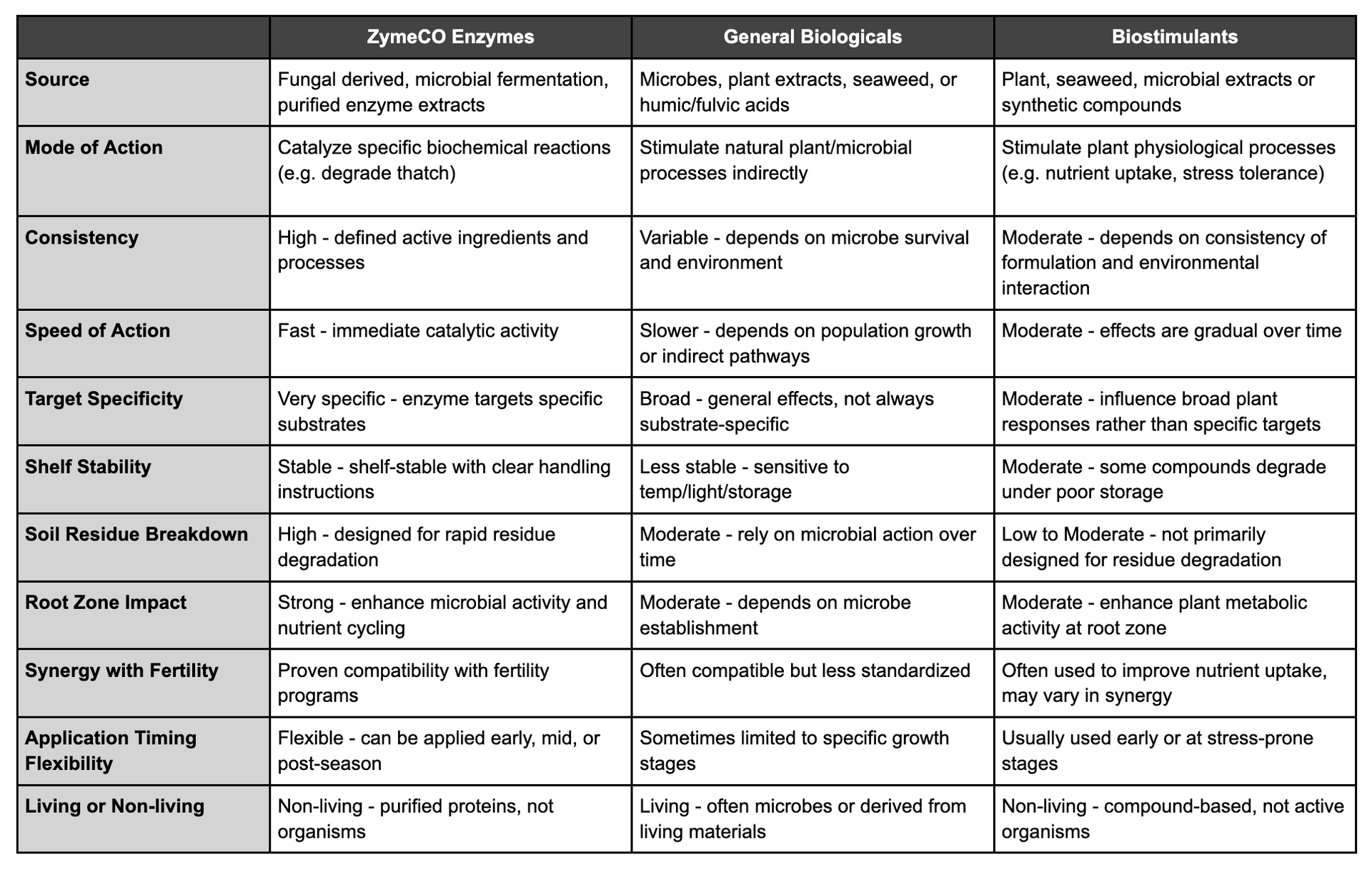
Enzymes, Biologicals and Biostimulants… what's the difference?
Jennifer Phillips • August 14, 2025

ZymeCO’s enzyme products are made through a natural fermentation process to work quickly in breaking down organic matter like thatch or crop residue. These bio-active enzymes are not living organisms, which means they’re very consistent, easy to store, and act right away. In contrast, most biologicals and biostimulants use living microbes or plant-based compounds that work more slowly and may vary depending on the environment. Biologicals help improve soil health over time by building microbial populations, while biostimulants support plant growth and stress tolerance. 


When used together, enzymes can jumpstart the process by making nutrients more available, creating a better environment for biologicals to thrive and allowing biostimulants to work more effectively. It’s a team approach; enzymes get things moving, and biologicals and biostimulants help sustain the momentum.
By Stephanie Wedryk, Ph.D. • October 1, 2026
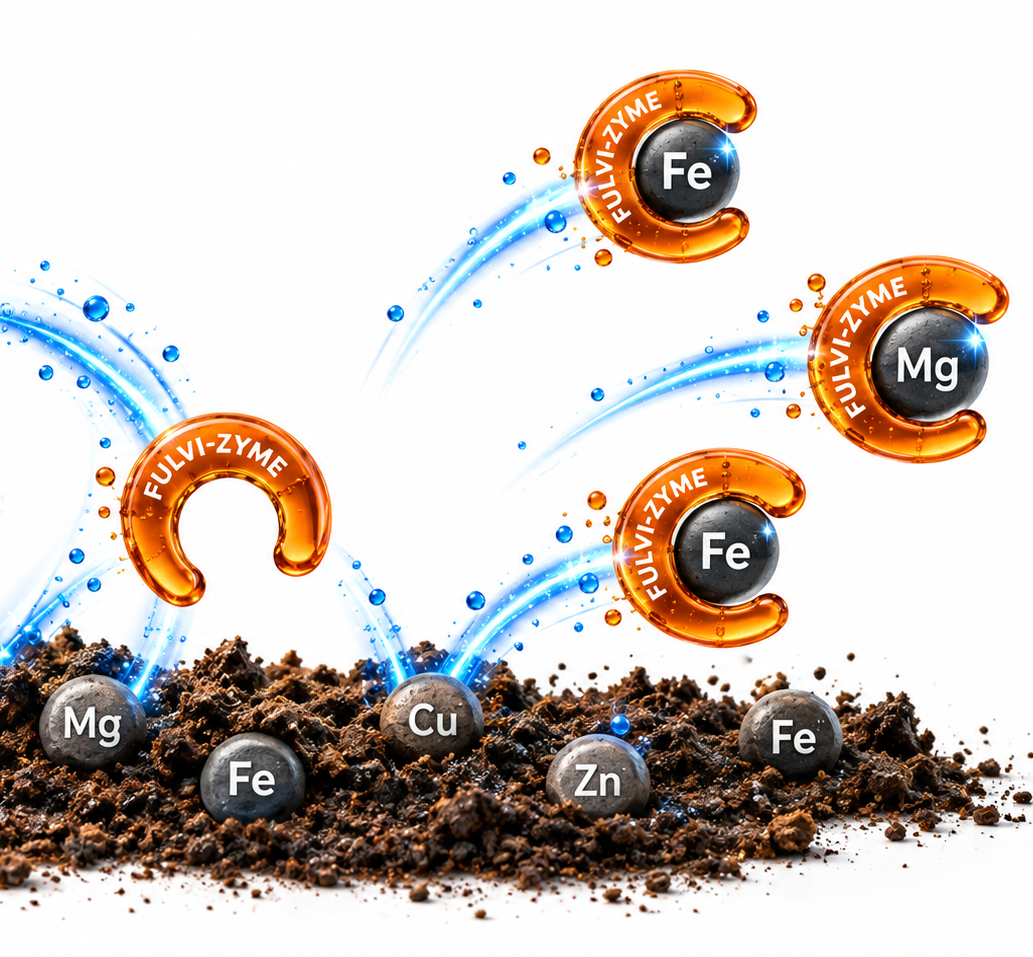
Unlike conventional leonardite-based fulvic products, FulviZyme combines plant-derived fulvic acid with naturally occurring organic acids and bioactive plant compounds.
By Stephanie Wedryk, Ph.D. • September 30, 2026
Effective residue management does more than reduce excess residue on surface. It helps turn this year’s residue into healthier soil and a more uniform start for next year’s crop.
By Stephanie Wedryk, Ph.D. • September 14, 2026
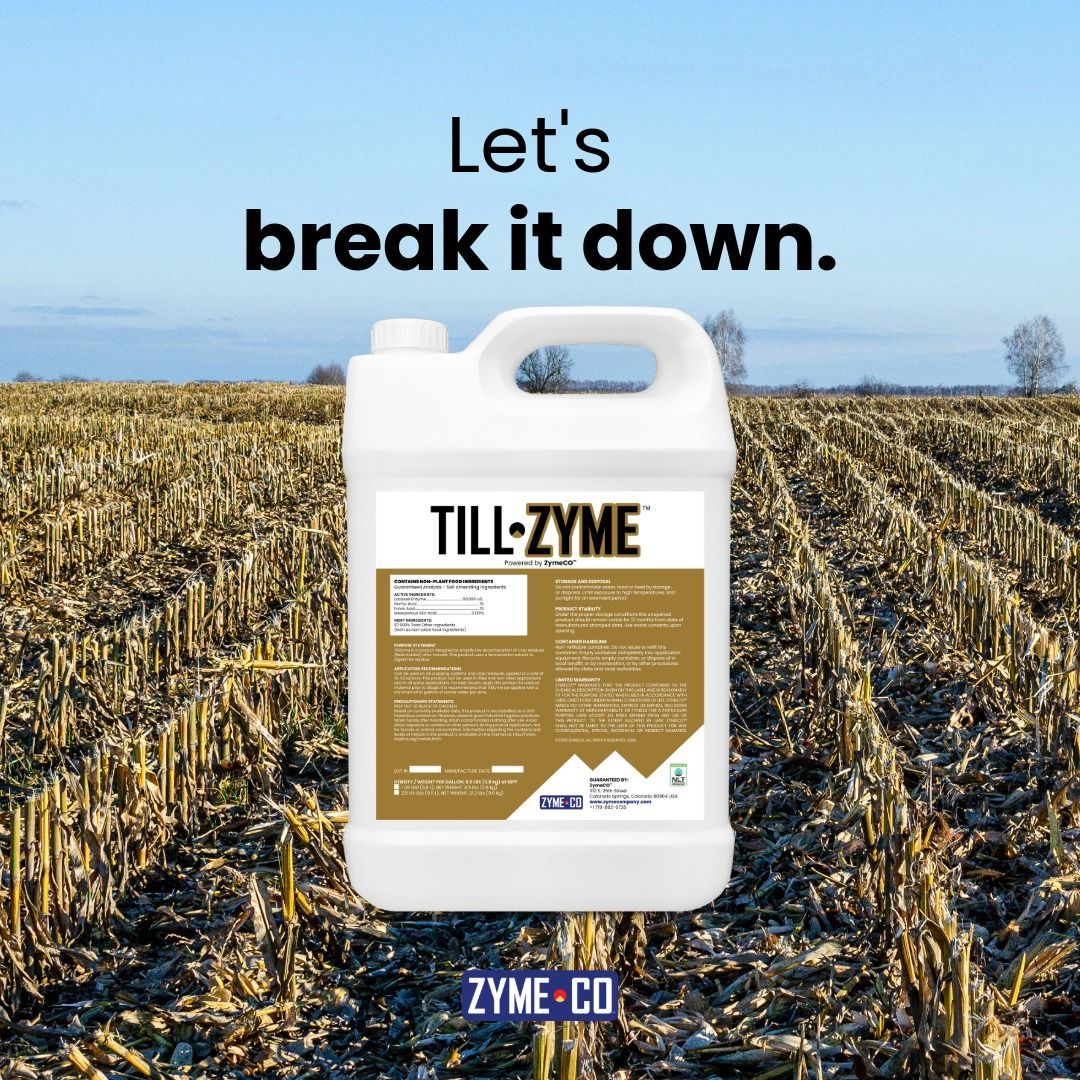
Rather than viewing residue as something to simply manage, TillZyme helps unlock its value by helping start the biological process that turns tough plant material into a resource for the soil.
By Stephanie Wedryk, Ph.D. • September 8, 2026
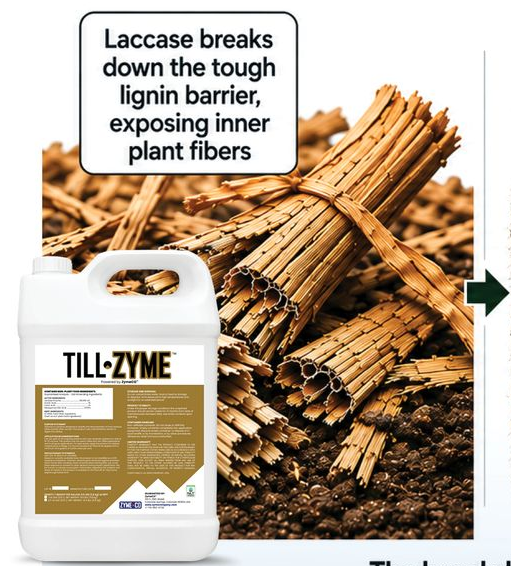
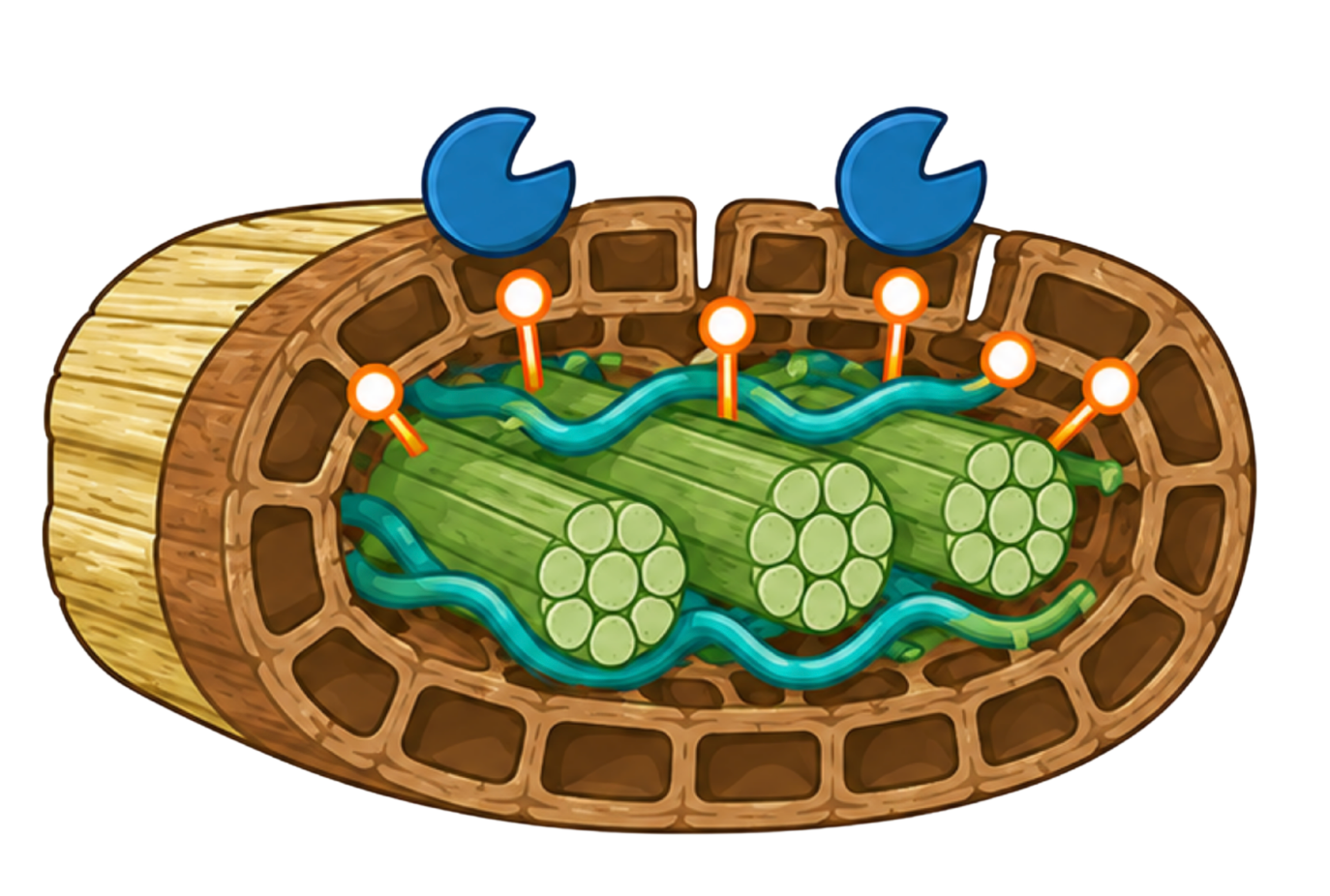
Corn residue can decompose slowly because lignin gives stalks and leaves their rigid structure. TillZyme™ uses laccase enzyme technology to help accelerate the breakdown of tough crop residue.
By Stephanie Wedryk, Ph.D. • September 2, 2026
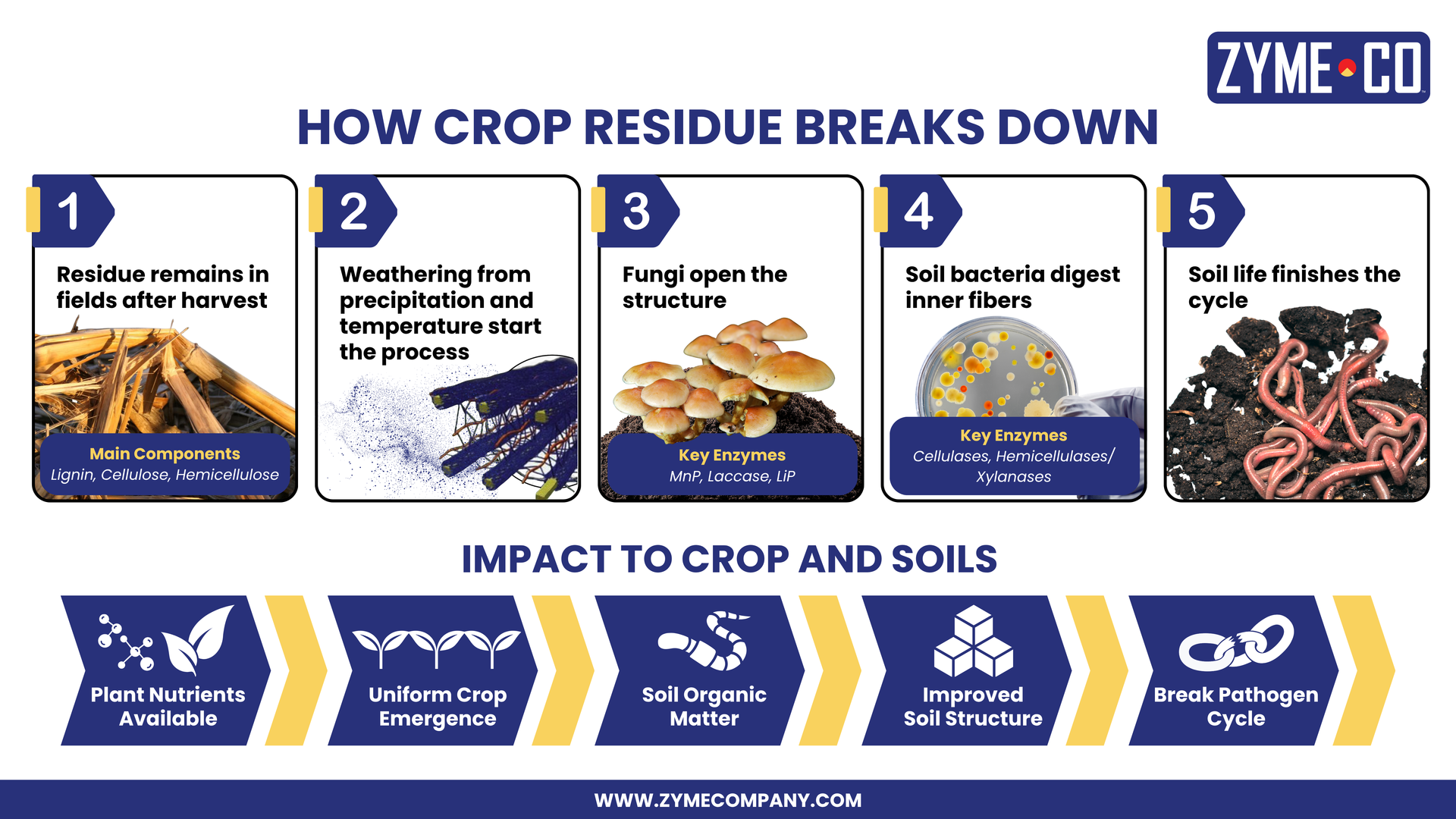
After harvest, crop residue is not just leftover stalks and leaves. It is an active biological system that adds nutrients to the soil, increases organic matter, and builds better soil structure for next year. Actively managed residues help create a favorable seedbed for better stands and yield. The enzymes produced by fungi accelerate the process by breaking down tough lignin before naturally occurring soil microbes take over. Learn more here .
By Phil Dwyer, VP Sales & Marketing • August 26, 2026
Let’s dive into the science of thatch biology and learn all about a unique new product called ThatchZyme which delivers the first sprayable active enzyme proven to manage turfgrass thatch.
Not All Enzymes Do The Same Job
By ZymeCO • August 26, 2026
With every enzyme-based technology, the value comes from matching the right enzyme to the right target. They are precise tools with a targeted mode of action.
By Phil Dwyer, VP Sales & Marketing • August 24, 2026
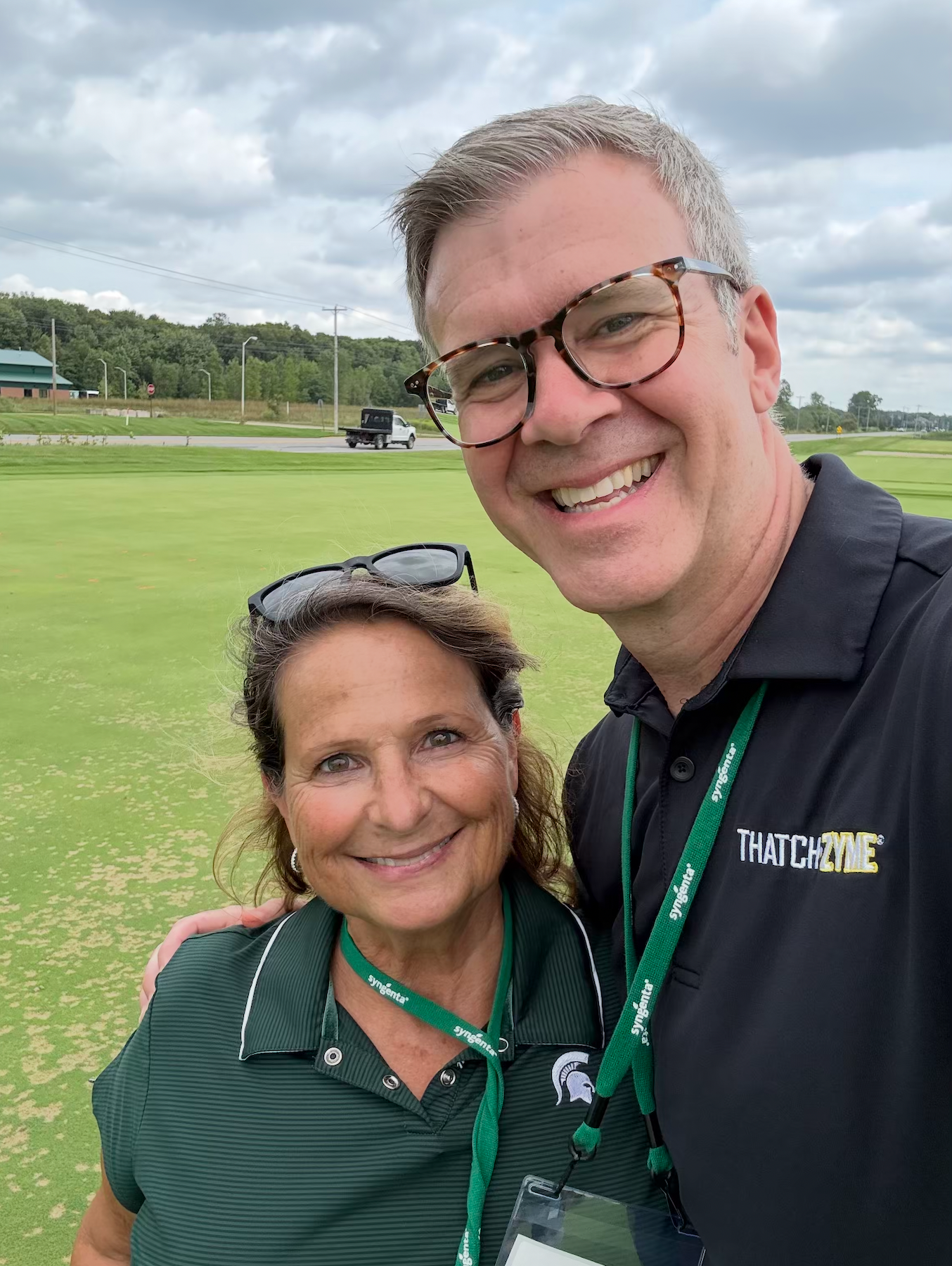
ZymeCO recently joined turf professionals, researchers, and industry partners at the Michigan State University Turfgrass Field Day for a day centered around research, education, and collaboration.
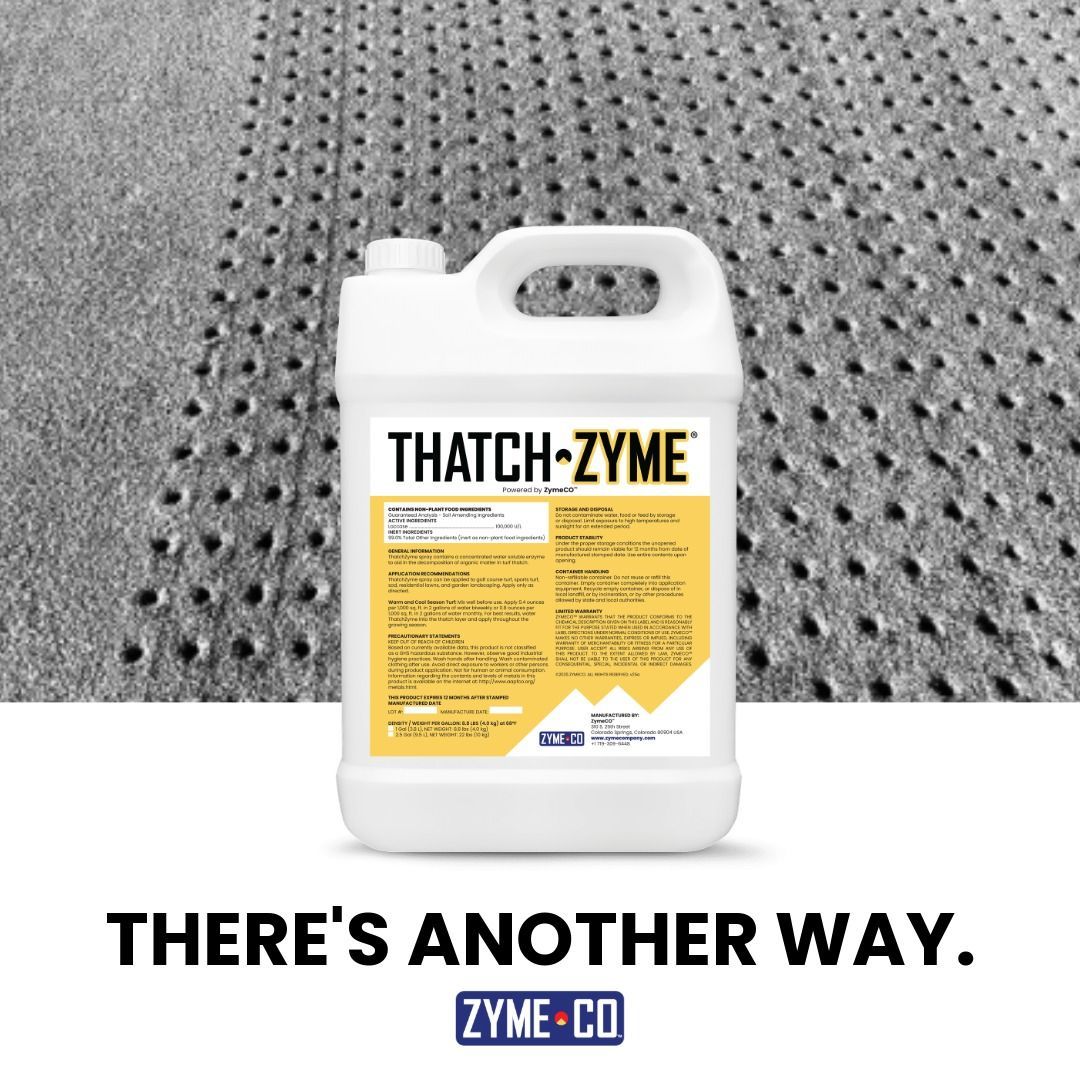
ThatchZyme -There's Another Way
By Sudeep Sidhu, Ph.D. • August 19, 2026
Sprayable ThatchZyme® uses powerful high-redox laccase enzyme technology to break down the lignin barrier in thatch without disrupting play.
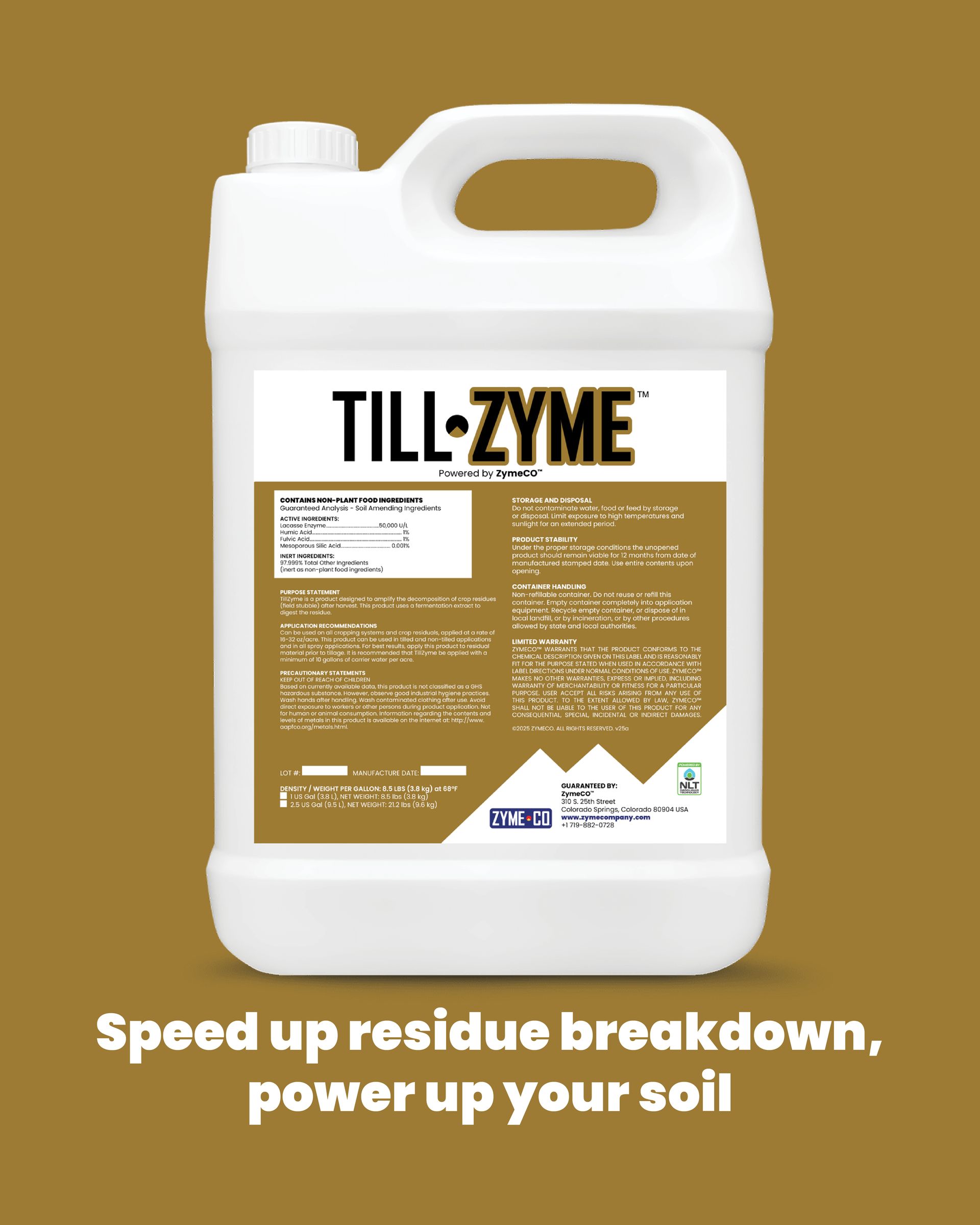
Planning Fall Fertility? Do Not Overlook Crop Residue. Try TillZyme
By ZymeCO • August 17, 2026
Turn residue into opportunity with TillZyme: Residue to Revenue. Nutrients remain tied up in stalks, leaves and stubble until the residue breaks down.