
COLORADO SPRINGS, Colo. — July 1, 2026 — ZymeCO, an innovation-driven bio-manufacturing company developing enzyme-based products for agriculture and turf management, today announced the close of a $4 million Series A financing round. The round was led by Planetary Technologies (née Bioeconomy Capital), with participation from Sahsen Ventures, Old Tom Capital, Ag Startup Engine and multiple angel investors.
The financing builds on a period of strong customer demand and rapid revenue growth. ZymeCO will use the new capital to scale manufacturing, accelerate field validation, and broaden commercialization across the agriculture, golf course, lawn care, and sports turf management markets. The Company will further expand its research and product development platform to address pest control and other customer needs.
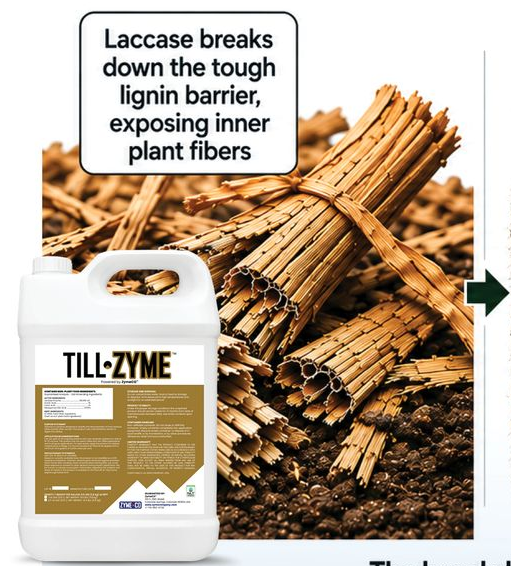
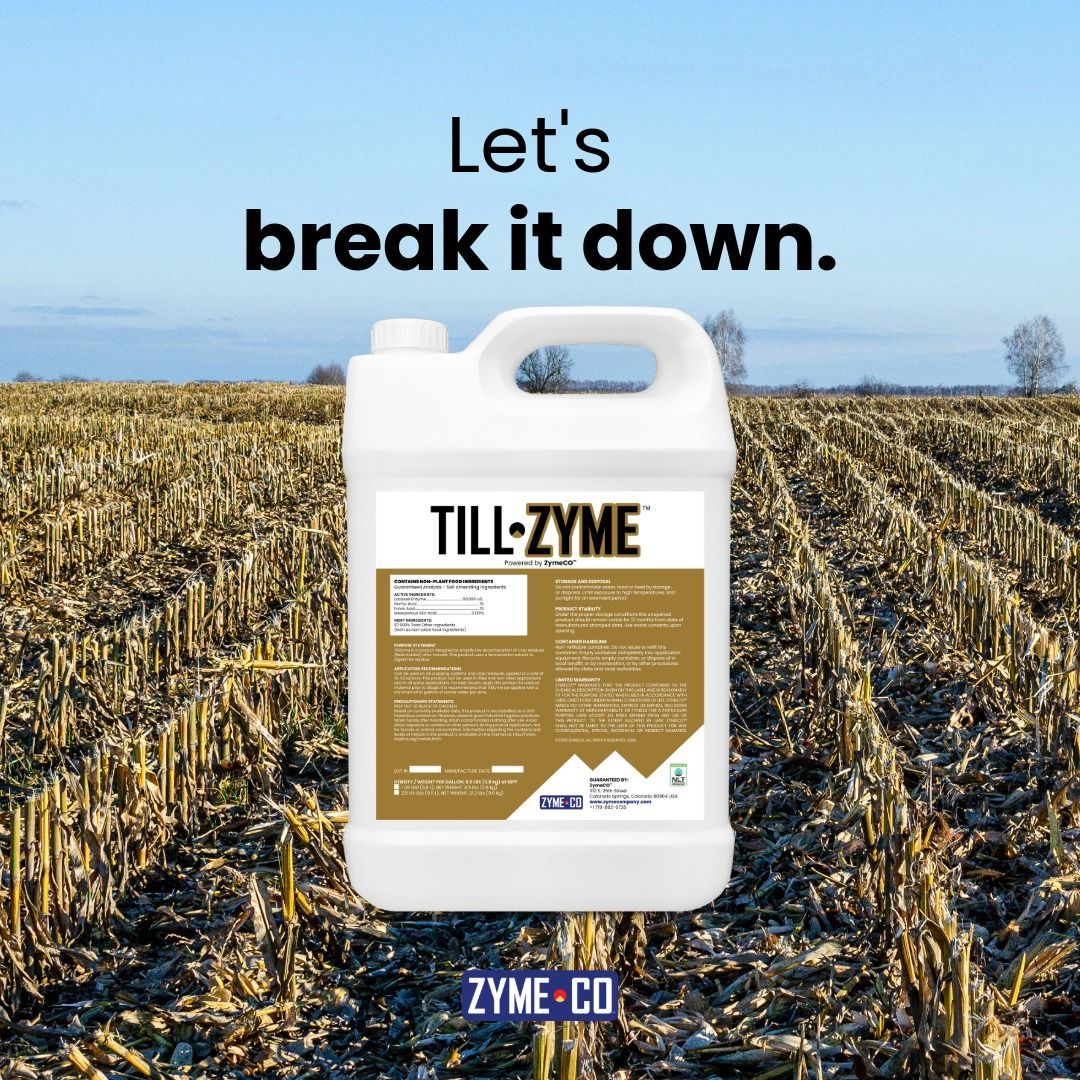
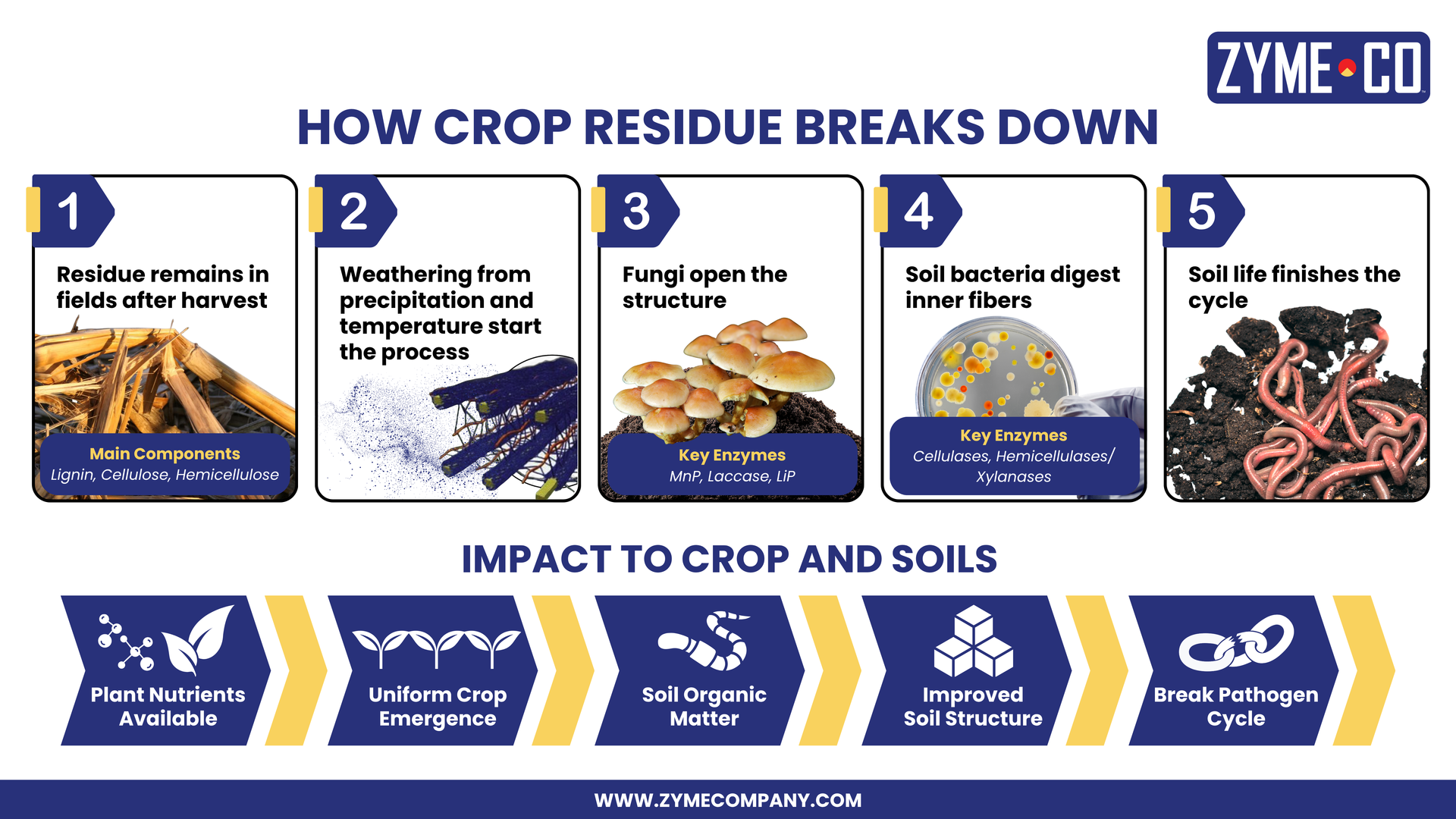
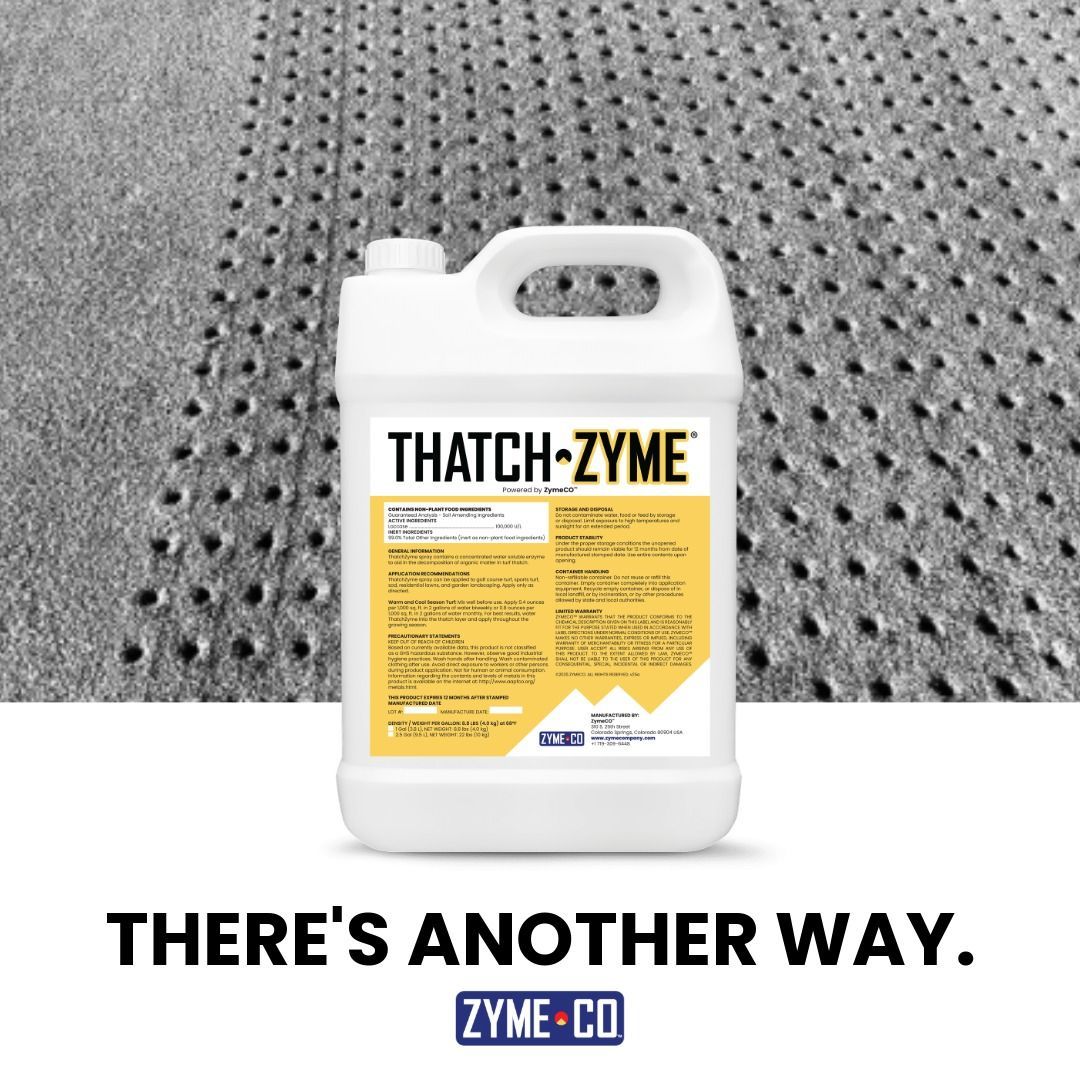
Built on the potential of enzymatic technology to transform agriculture, ZymeCO develops practical biological tools that break down turf thatch, algae, and organic matter to support healthier soils, crops and turf. The company’s products address persistent challenges for growers and turf managers — problems that today are primarily served through mechanical aeration, tilling and conventional biological solutions.
"Closing this Series A is an important milestone for ZymeCO and for the customers we serve," said Mark Slavens, Ph.D., CEO of ZymeCO. "We've seen strong customer demand and rapid revenue growth as growers and turf professionals look for biological solutions that deliver measurable results. This funding allows us to scale the science, manufacturing, and field support needed to bring those solutions to more customers."
ZymeCO’s platform combines enzyme discovery, fungal fermentation, biological formulation, agronomic insight, and focused product development.
“ZymeCO is operating at the intersection of biological innovation, soil health, and real-world performance,” said Rob Carlson, lead investor from Planetary Technologies. “We believe the company is positioned to become a meaningful platform in the next generation of sustainable agriculture and professional turf management.”
As growers, golf course superintendents, and turf managers seek products that improve performance while supporting more sustainable management practices, ZymeCO is expanding its commercial reach to meet that demand. ZymeCO’s team brings together expertise in protein engineering, biomanufacturing, agriculture, golf course management, turfgrass science, and commercial product development.
“From golf courses to production agriculture, our goal is to make advanced biological tools practical, reliable, and easy to integrate,” said Thaddaus Huber, Ph.D., Founder & CTO of ZymeCO. “This capital gives us the resources to continue to scale up and keep moving promising science out of the lab and into the hands of the professionals.”
About ZymeCO
ZymeCO is a bio-manufacturing company developing enzyme-based products for agriculture and turf management. Inspired by nature’s recyclers and powered by fermentation, ZymeCO creates practical tools that help transform organic matter into usable resources, improve soil function, and support healthier, more resilient plant systems. The company serves growers, golf course superintendents, lawn care professionals, sports turf managers, and other professionals seeking sustainable, high-performance solutions for soil and plant management.
For more information, visit zymecompany.com.
Media Contact
Jenny Phillips
Director of Marketing
ZymeCO
jenny@zymecompany.com
https://www.zymecompany.com/