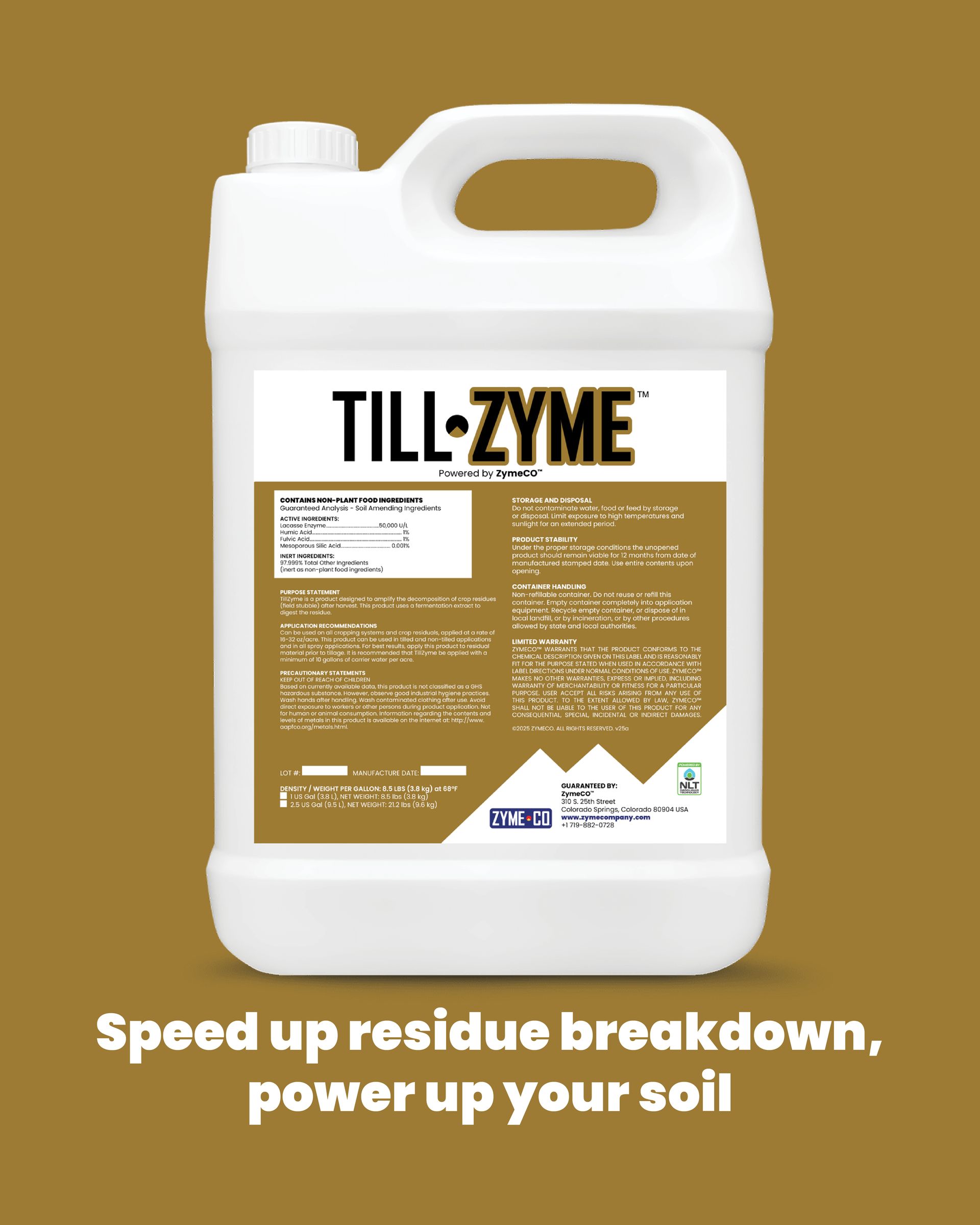

We’re excited to announce a new chapter in our journey: Colorado Biofactory is now ZymeCO.
This change isn’t just about a name—it marks the evolution of our vision and our commitment to redefining what’s possible through enzyme technology.
Our Story Starts at the Dinner Table
In 2021, a conversation over dinner sparked an idea that would eventually grow into something much bigger. Dr. Thaddaus Huber, a scientist with more than 15 years of experience in protein engineering and biomanufacturing, was introduced to a problem facing turfgrass managers across the country: thatch accumulation.
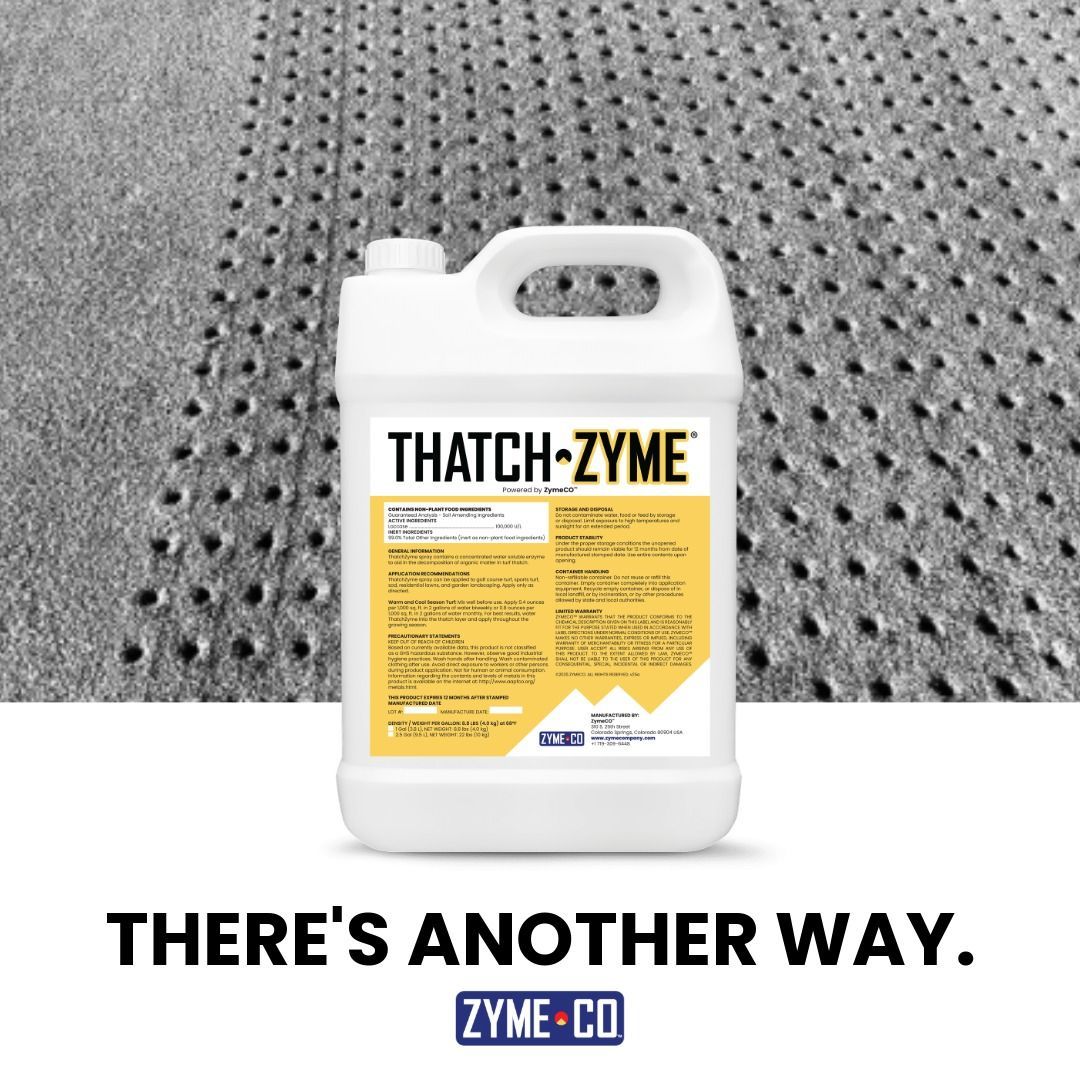
The challenge was brought to Thaddaus's attention by Armen Suny, Thaddaus’s father-in-law and a seasoned veteran in the turf industry. During the previous summer, Armen witnessed thatch collapse disease firsthand—a newly identified turf disease. Fascinated by how quickly natural fungal enzymes break down organic material, Armen proposed an idea: could Thaddaus develop a sprayable enzyme solution to tackle thatch buildup? What began as garage experiments quickly evolved into something groundbreaking—ThatchZyme, an innovative, enzyme-based product engineered to efficiently combat thatch accumulation.
Building a Team with Purpose
To turn this innovation into a scalable solution, Thaddaus joined forces with Dr. Michael Cantrell, co-founder of Colorado Biofactory. Michael brings a PhD in Botany from Colorado State University, along with deep experience in biological engineering, algal and plant physiology, and fungal fermentation. With over 15 years of research behind him, Michael co-leads ZymeCO’s scientific development, driving forward solutions that are both sustainable and effective. Most recently ZymeCO also hired turf veterans and PhDs Mark Slavens as CEO, and Phil Dwyer as VP Sales & Marketing.
Why ZymeCO?
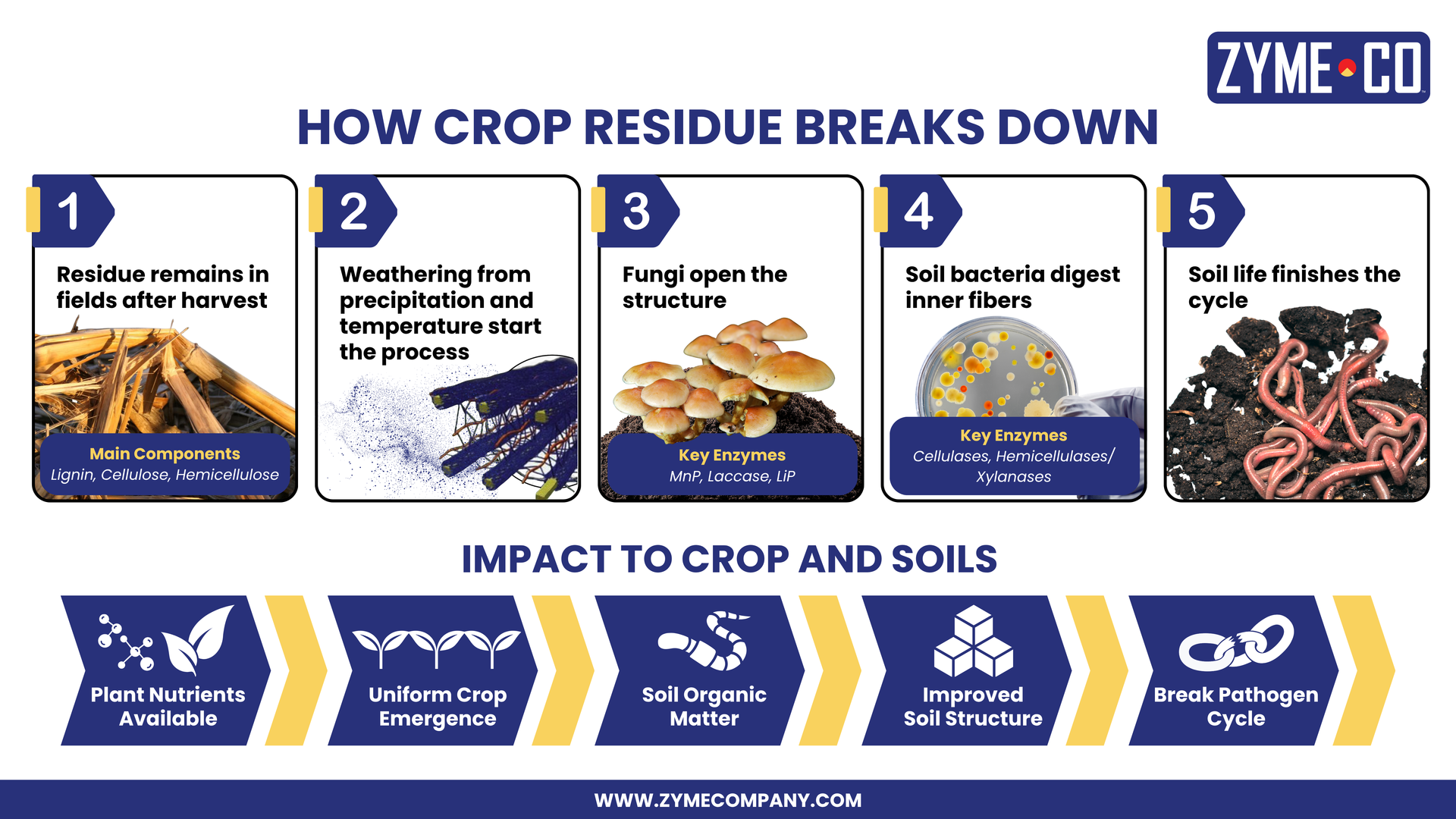
The name ZymeCO reflects our roots in enzyme innovation and our commitment to collaboration, sustainability, and science-backed solutions. Our mission is simple: to harness the power of nature to solve real problems in turfgrass, and we have now branched out to the agriculture industry.
Whether it’s enzyme degradation, plant response studies, or bio-based fermentation, our work is grounded in the belief that sustainable innovation doesn’t have to compromise on performance.
What’s Next?
We’re just getting started.
At ZymeCO, we're proud to be at the intersection of science and sustainability—developing high-performance products that help turf and ag professionals do more, naturally.
ThatchZyme is our flagship product, and we are happy to announce that we will be launching a few new products to our portfolio this spring. Be sure to check out our socials, new website, and blog posts for news and product updates.
Thanks for joining us on this journey. We can’t wait to show you what’s coming next.
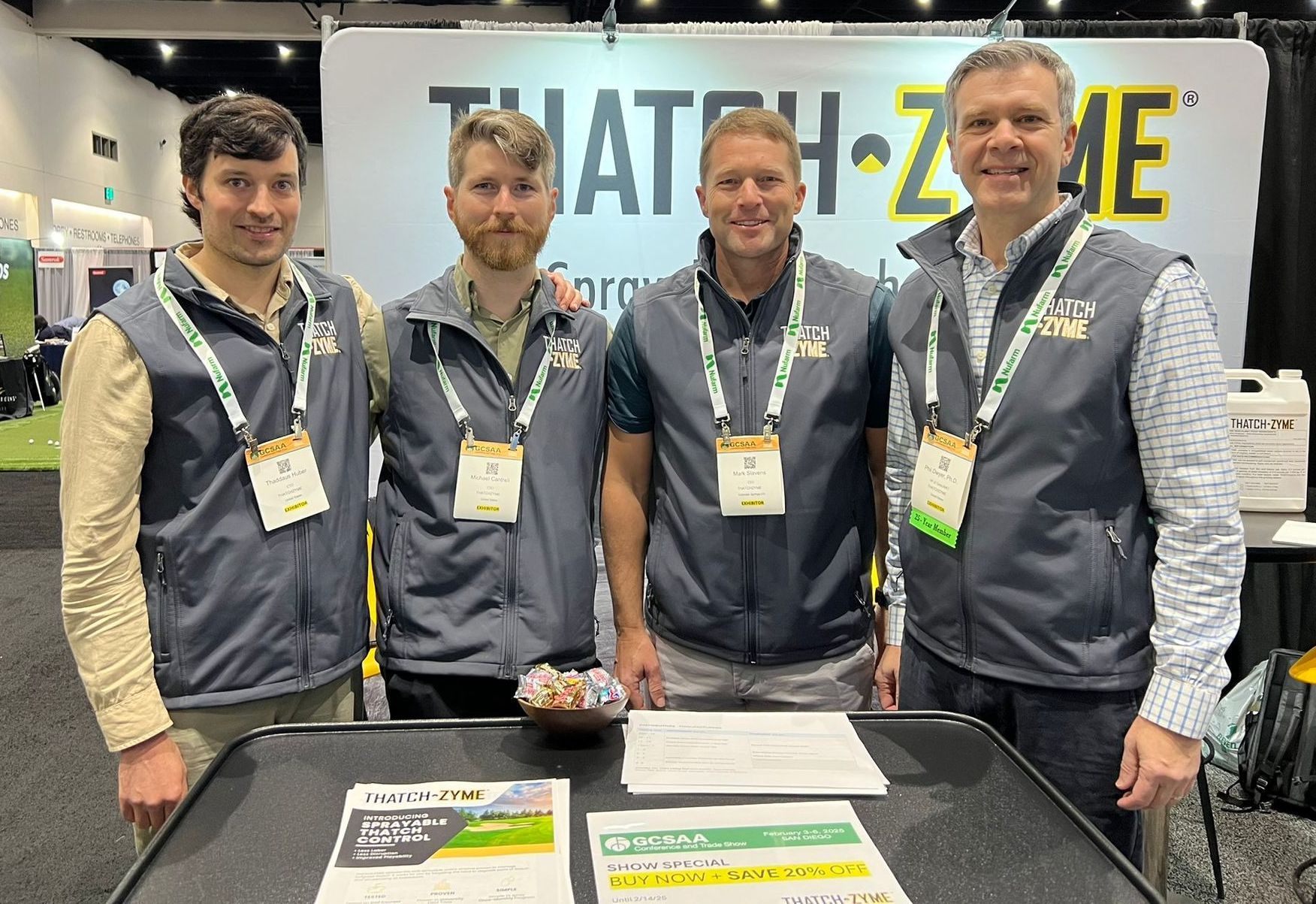
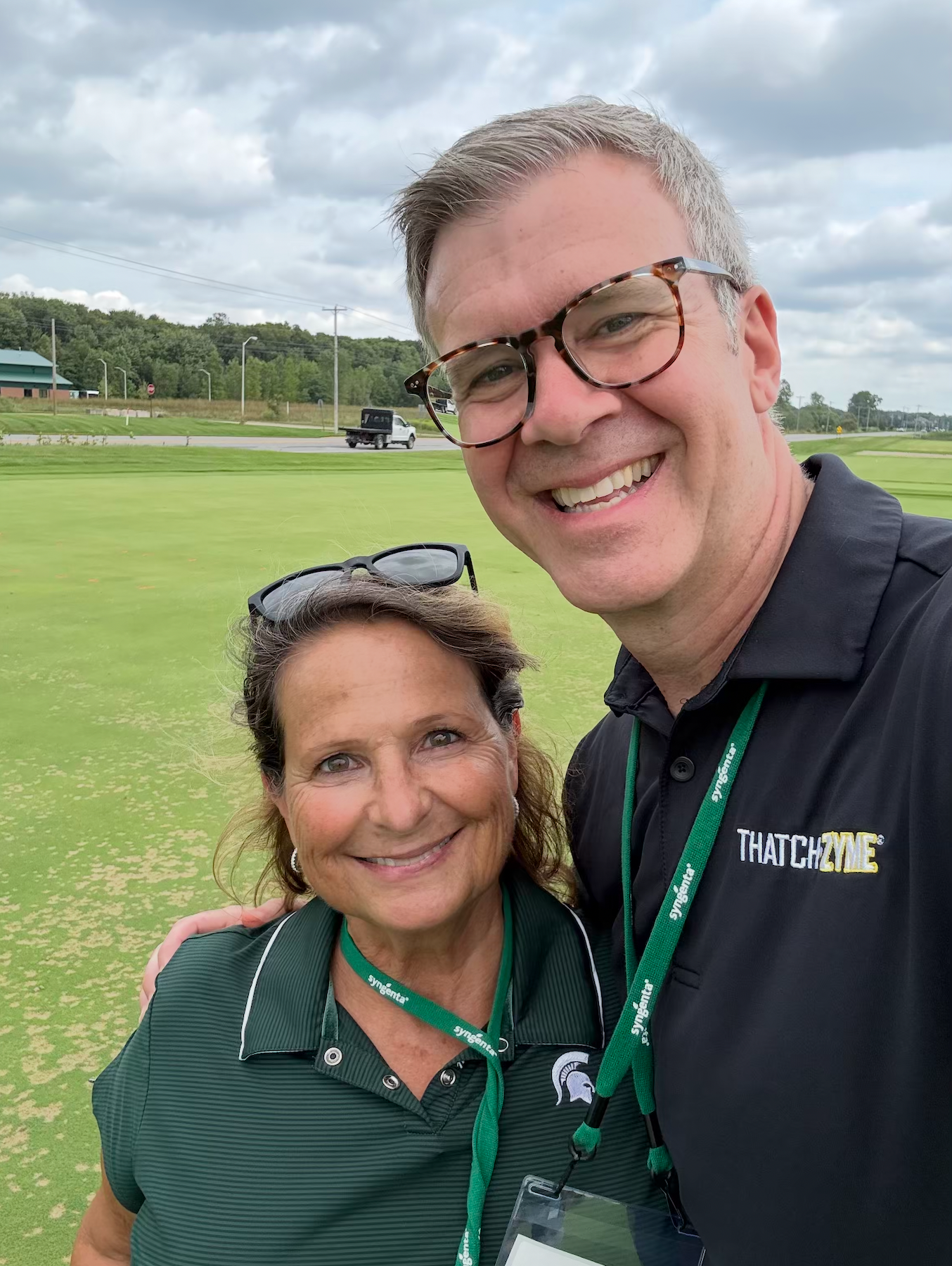
L-R: Tad Huber, Michael Cantrell, Mark Slavens, Phil Dwyer