
Smarter Turf Starts Here: Why ThatchZyme® is the Future of Thatch Control
Jenny Phillips, Director of Marketing • May 7, 2025

ThatchZyme is an innovative, enzyme-based turf management product designed to address the persistent issue of thatch accumulation on golf courses and other high-maintenance turf areas. Developed by ZymeCO™, ThatchZyme is their flagship product that utilizes a specific enzyme to break down lignin, a primary component of thatch that is resistant to natural decomposition.​


The Science Behind ThatchZyme
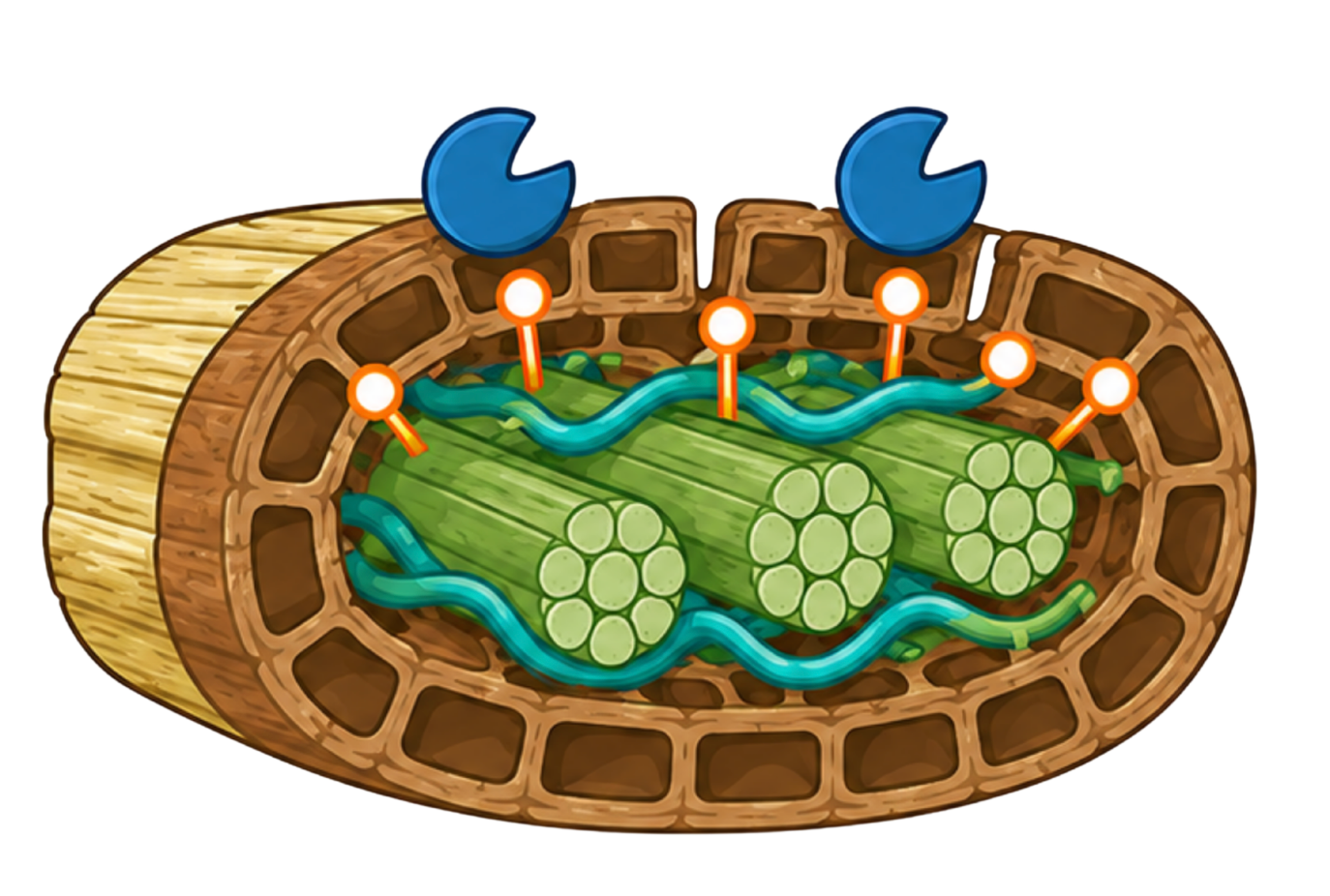
Thatch is a layer of organic material, including stems, roots, and rhizomes, that accumulates between the green vegetation and the soil surface. Its high lignin content makes it particularly resistant to microbial breakdown. ThatchZyme addresses this challenge by incorporating laccase, an enzyme that specifically targets and degrades lignin, facilitating the decomposition of thatch without harming the turf.


Field Performance and Application

Field studies have demonstrated that regular applications of laccase can significantly reduce thatch layers. For instance, treatments over a six-month period resulted in a 57% reduction in thatch thickness and a 25% decrease in organic matter content in the topsoil. ZymeCO has also conducted numerous university and field trials over the years, viewable here.  ThatchZyme is designed to be integrated into existing turf maintenance routines, offering a non-disruptive alternative to mechanical dethatching methods.​


Advantages Over Traditional Methods

  • Non-Invasive: Unlike mechanical dethatching, ThatchZyme does not disrupt the playing surface, ensuring continuous playability.​
  • Labor and Cost Efficient: Reduces the need for labor-intensive practices like aeration.
  • Environmentally Friendly: Being enzyme-based, it poses minimal risk to the environment.
  • Synergistic Use: Can be used in conjunction with traditional methods for enhanced effectiveness.​

ThatchZyme represents a significant advancement in turf management, offering a scientifically and university-backed, efficient, and environmentally friendly solution to thatch accumulation. Its integration into regular maintenance schedules can lead to healthier turf and improved playability, making it a valuable tool for turf managers and golf course superintendents.​


Learn more about ThatchZyme here or contact ZymeCO today.

AlgaeZyme Delivers Impressive Algae Control at Bellerive Country Club
By Phil Dwyer • November 23, 2026
We have always historically struggled with algae development in greens & bunkers due to our high pH irrigation water (9.5–10.0) and high dew points and humidity throughout the summer.
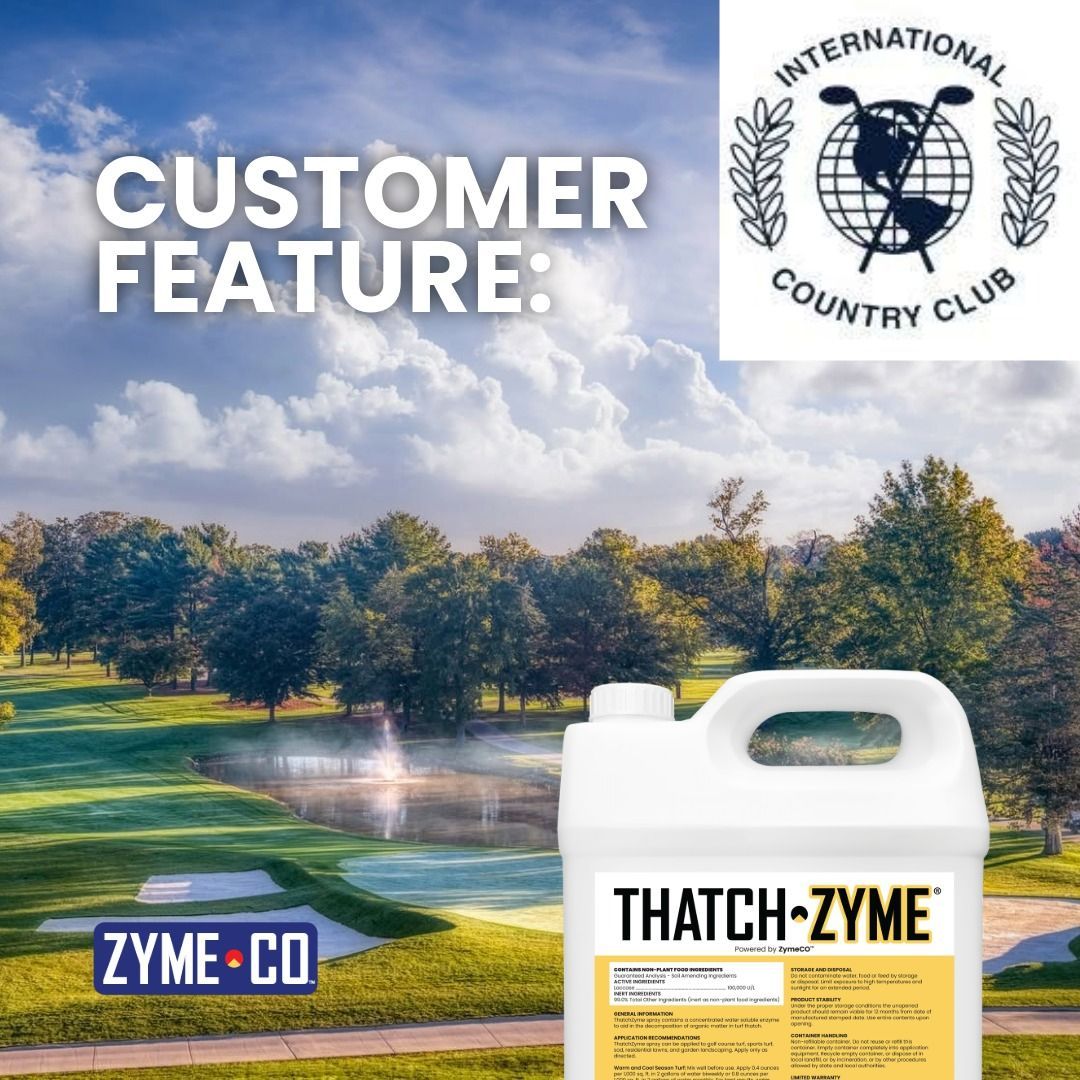
Customer Feature: ThatchZyme at International Country Club, VA
By Phil Dwyer • November 9, 2026
After years of battling puffy tees and summer scalping, International Country Club in Fairfax, VA, says "Our tees did not scalp in July and August as in years past. The puffiness is noticeably less."
Colorado Course ThatchZyme Trial:  Poa-Bentgrass Tee
By ZymeCO • November 3, 2026
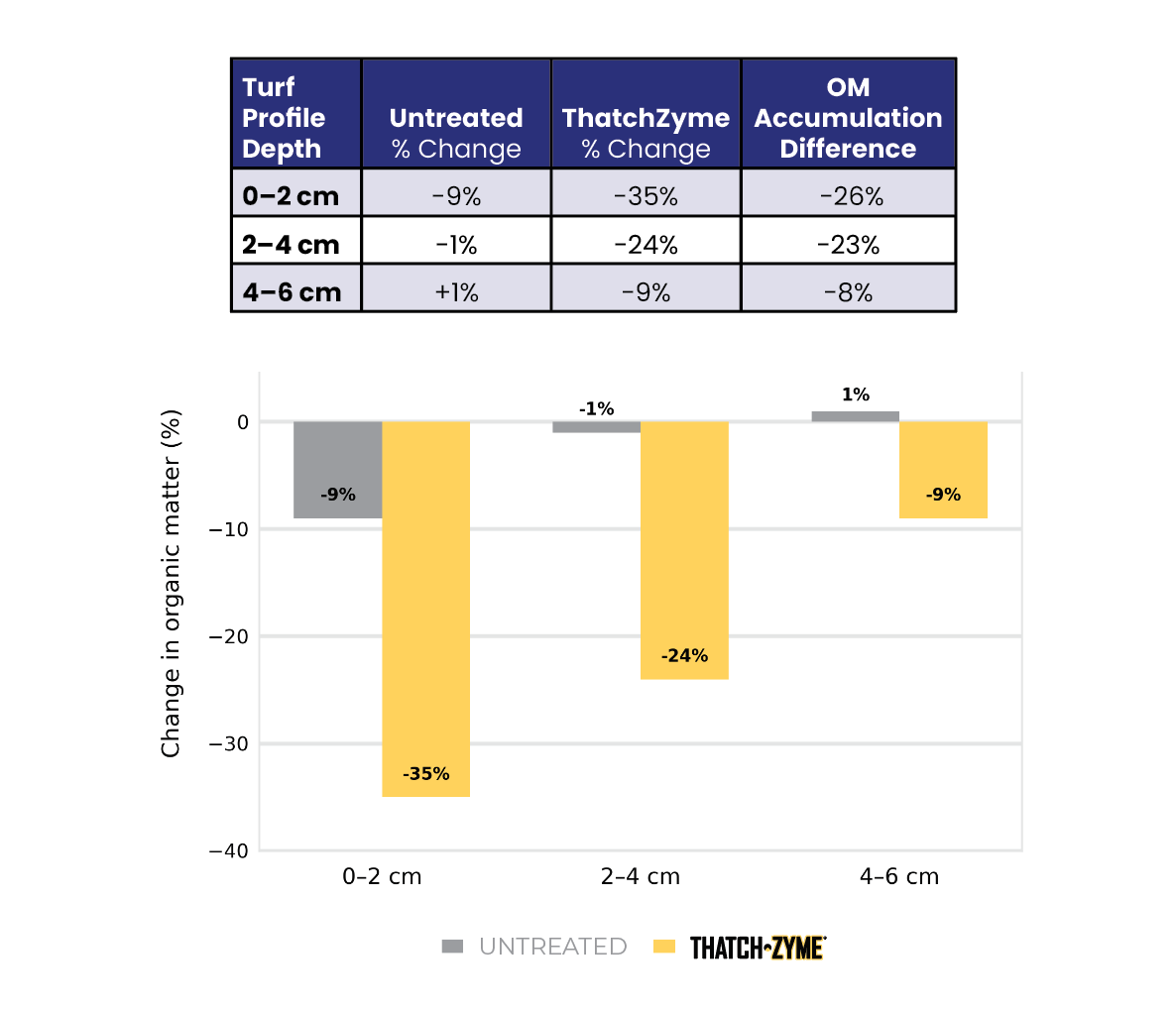
A 2026 Colorado golf course trial evaluated ThatchZyme’s effect on organic matter in a Poa-bentgrass tee. ThatchZyme reduced organic matter throughout the upper 6 cm of the turf profile, with the greatest reduction near the surface.
By Bridgette Readel& Jason Hanson, Agronomists Happy Hour • November 2, 2026
Jason, Bridgette, and Stephanie Wedryk dig into how residue breakdown products work, why enzymes are different from microbial products, and what farmers should actually expect from these inputs.
By Stephanie Wedryk, Ph.D. • October 21, 2026
Biological products rely on living microbes that must survive changing field conditions or on blends of naturally occurring compounds with multiple modes of action. ZymeCO enzymes are different. They are non-living, purified proteins designed to catalyze specific biochemical reactions.
By Stephanie Wedryk, Ph.D. • October 1, 2026
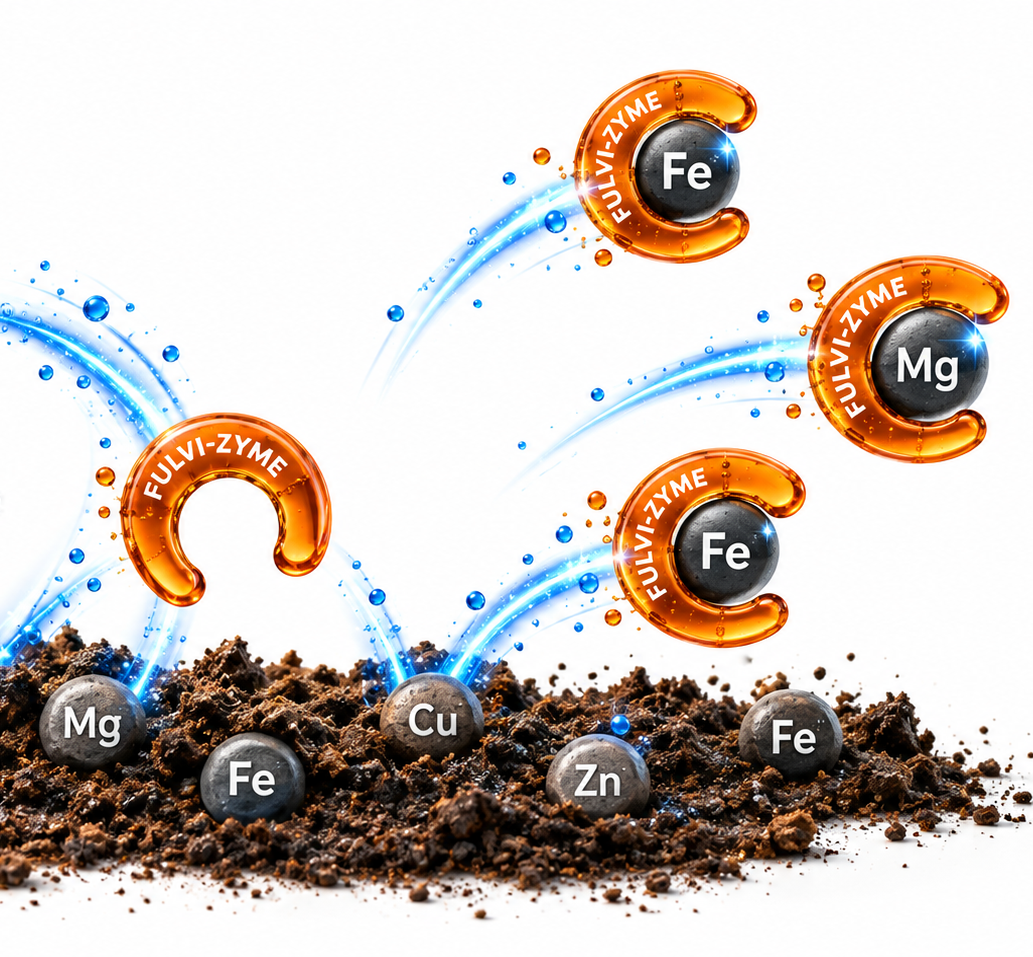
Unlike conventional leonardite-based fulvic products, FulviZyme combines plant-derived fulvic acid with naturally occurring organic acids and bioactive plant compounds.
By Stephanie Wedryk, Ph.D. • September 30, 2026
Effective residue management does more than reduce excess residue on surface. It helps turn this year’s residue into healthier soil and a more uniform start for next year’s crop.
By Stephanie Wedryk, Ph.D. • September 14, 2026
Rather than viewing residue as something to simply manage, TillZyme helps unlock its value by helping start the biological process that turns tough plant material into a resource for the soil.
By Stephanie Wedryk, Ph.D. • September 8, 2026
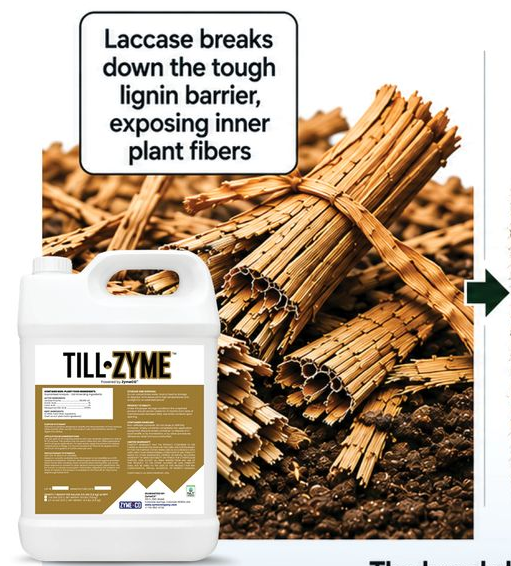
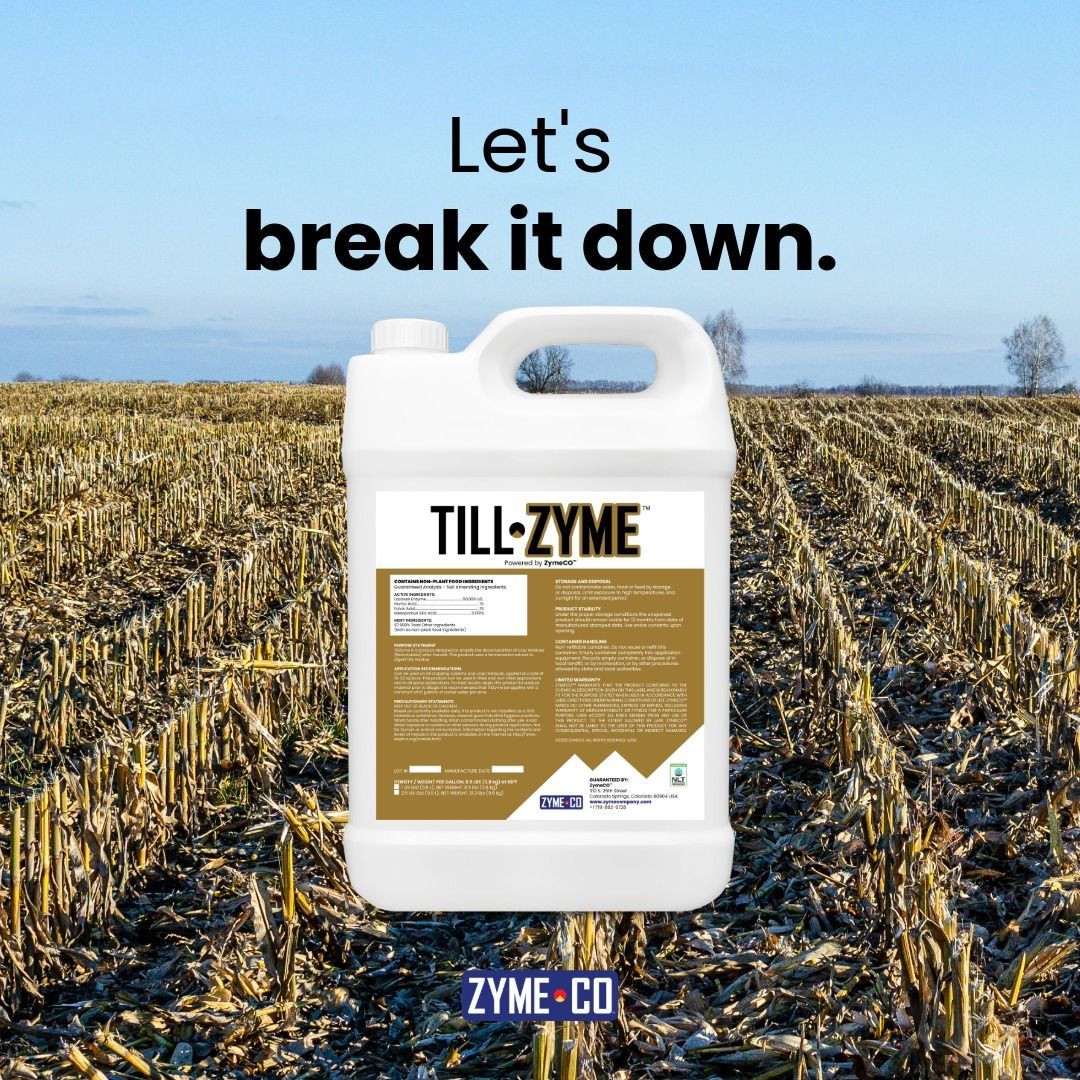
Corn residue can decompose slowly because lignin gives stalks and leaves their rigid structure. TillZyme™ uses laccase enzyme technology to help accelerate the breakdown of tough crop residue.
By Stephanie Wedryk, Ph.D. • September 2, 2026
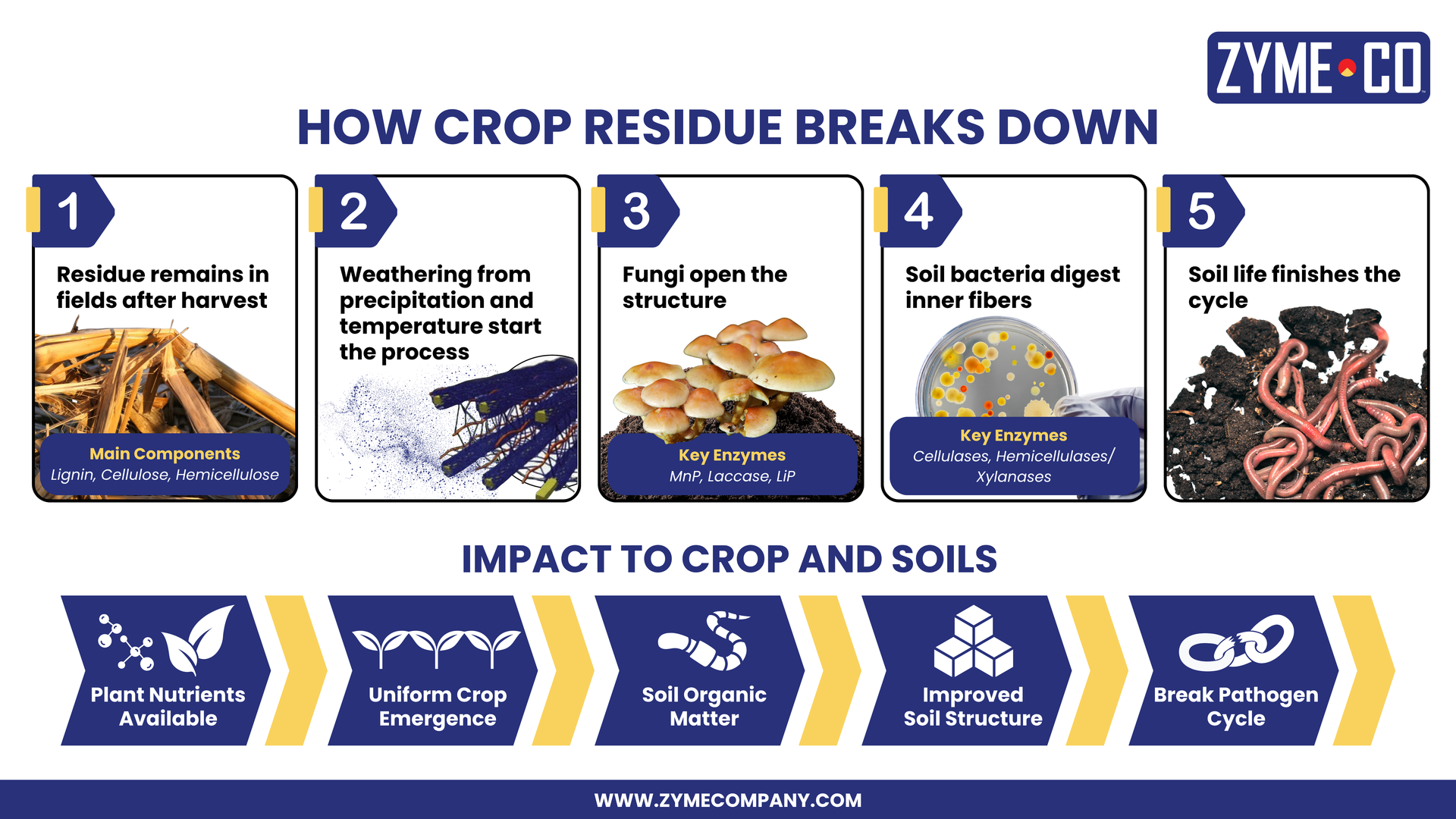
After harvest, crop residue is not just leftover stalks and leaves. It is an active biological system that adds nutrients to the soil, increases organic matter, and builds better soil structure for next year. Actively managed residues help create a favorable seedbed for better stands and yield. The enzymes produced by fungi accelerate the process by breaking down tough lignin before naturally occurring soil microbes take over. Learn more here .